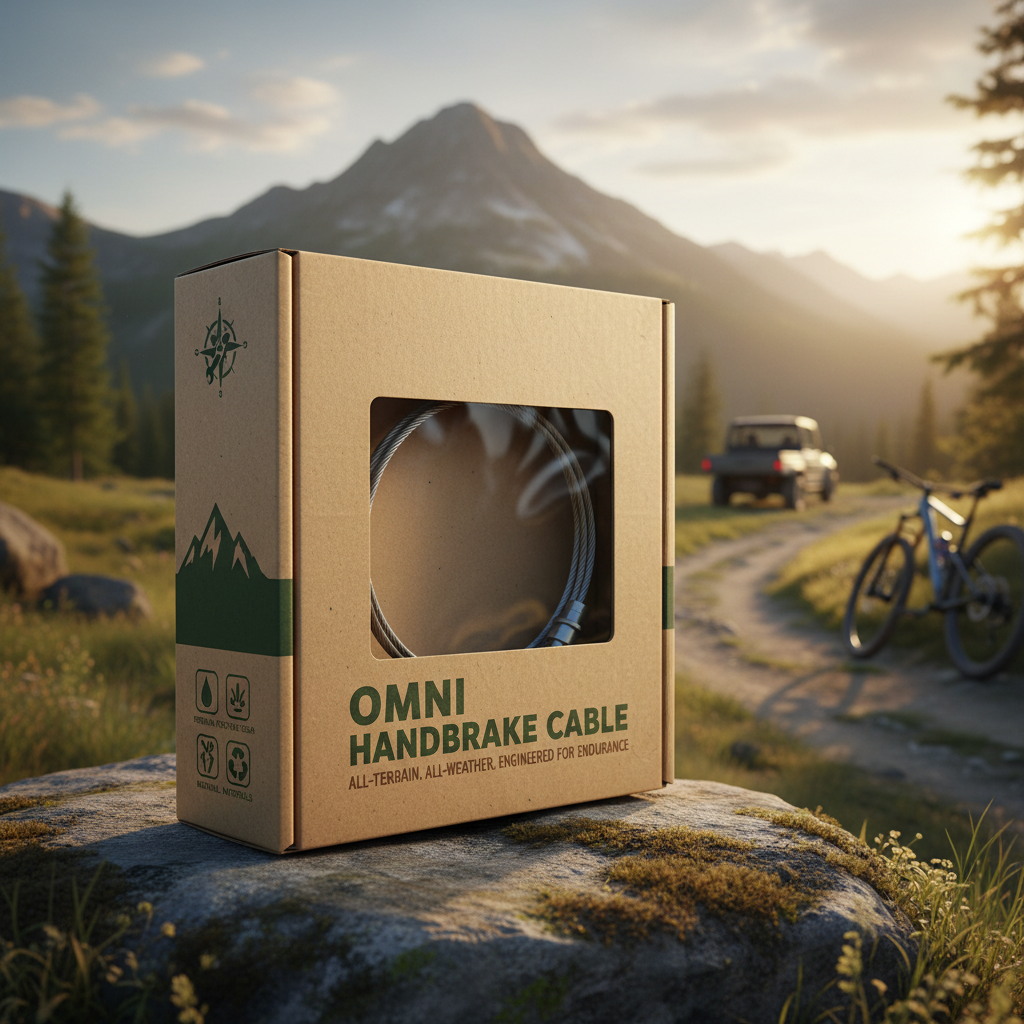
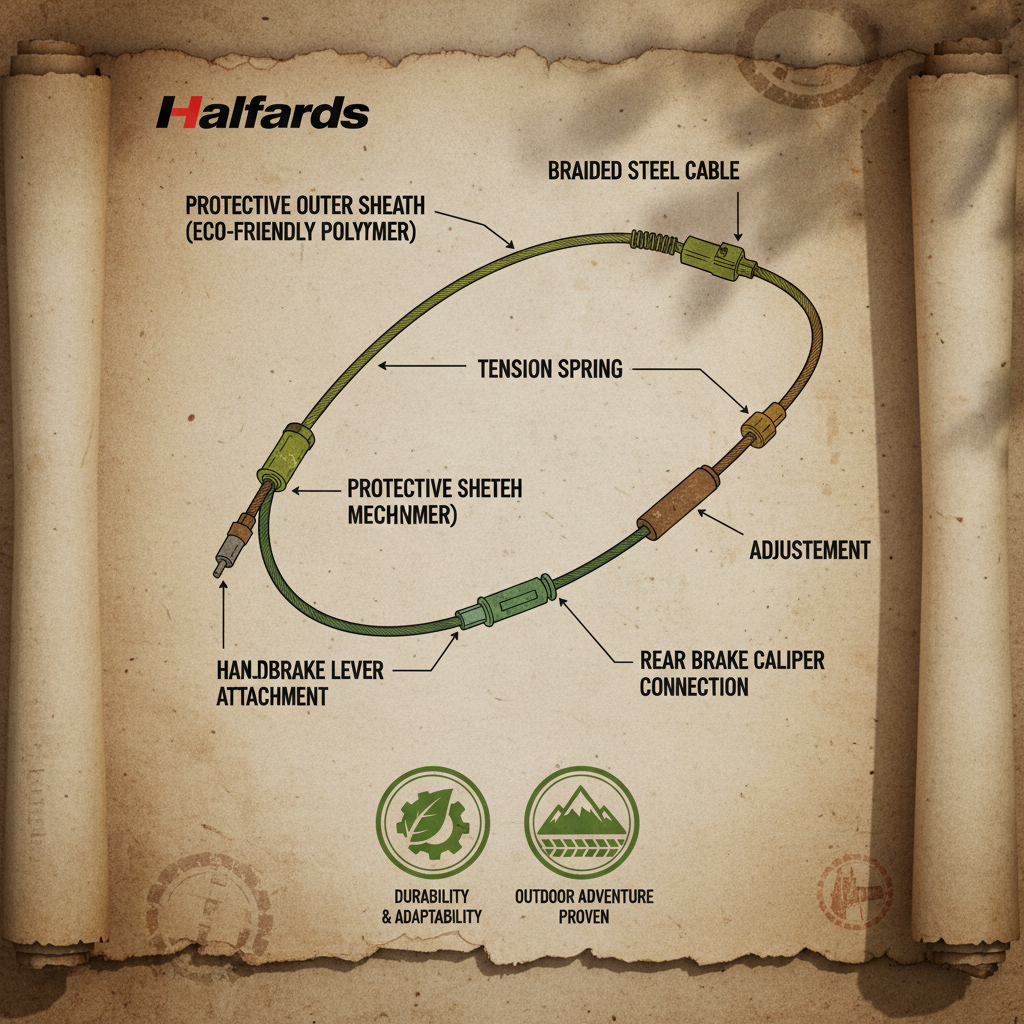
The ebrake cable, often referred to as the parking brake cable, is a critical safety component in vehicles. It’s a seemingly simple mechanism, but its reliability is paramount for preventing accidental vehicle movement, especially on inclines. Understanding its construction, materials, and maintenance is vital for vehicle owners, mechanics, and the automotive industry as a whole. The global automotive industry is massive, with millions of vehicles manufactured annually, and each one relies on a functioning ebrake cable to ensure safety.
The demand for high-quality ebrake cables is driven by increasing vehicle production and stricter safety regulations worldwide. According to the International Organization of Motor Vehicle Manufacturers (OICA), global vehicle production exceeded 85 million units in 2023. This figure underscores the scale of the automotive market and the consequent need for reliable components like the ebrake cable. A failure in this system can lead to costly repairs, accidents, and potential legal liabilities, highlighting the importance of robust manufacturing and quality control.
Addressing the challenges of wear and tear, corrosion, and material fatigue in ebrake cables is crucial for enhancing vehicle safety and reducing maintenance costs. The integration of advanced materials and improved cable designs are key areas of innovation within the automotive component industry. This also necessitates understanding the nuances of different ebrake cable types and their suitability for diverse vehicle applications.
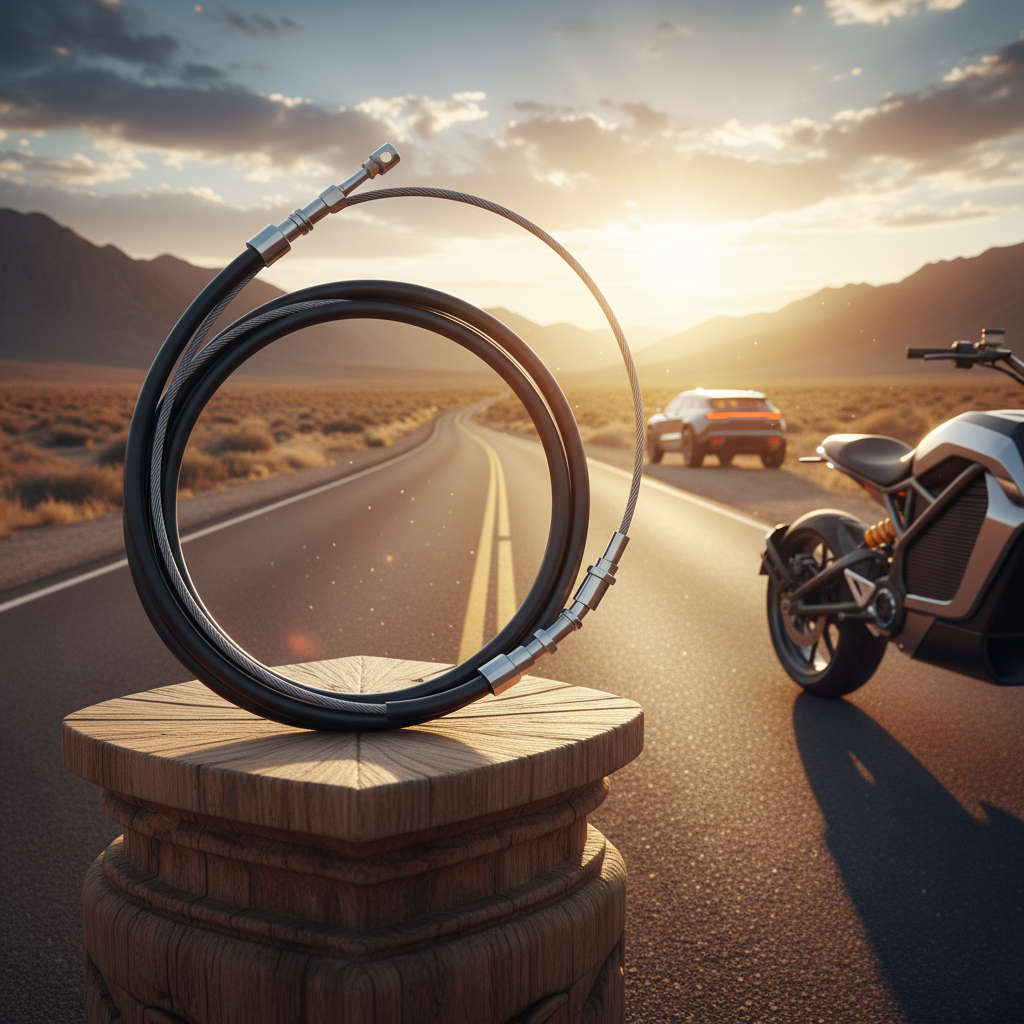

The ebrake cable, or emergency brake cable, is a mechanical link between the hand or foot-operated parking brake lever and the vehicle’s rear brakes. It’s designed as a fail-safe system, providing a secondary braking mechanism independent of the hydraulic brake system. Proper functionality is essential for securing a parked vehicle, preventing rollaway accidents, and, in some instances, assisting in emergency stops.
A well-maintained ebrake cable contributes significantly to overall vehicle safety and operational reliability. The cable itself is typically constructed of high-strength steel wires encased in a protective sheath to prevent corrosion and friction. Understanding its components and potential failure points is crucial for proactive maintenance and safe driving practices.
It’s recommended to inspect your ebrake cable at least twice a year, or with every oil change. Check for fraying, rust, kinks, or damage to the sheath. Also, verify the cable is properly adjusted – the parking brake should engage firmly with minimal travel. Regular inspection can prevent a more serious and potentially dangerous failure. Addressing minor issues early can save you from costly repairs down the road.
Signs of a failing ebrake cable include excessive travel of the parking brake lever before engaging, a spongy or soft feel, or the parking brake not holding the vehicle securely, especially on an incline. You might also notice visible fraying or corrosion on the cable itself. Ignoring these signs can lead to a complete failure of the parking brake system, posing a safety risk.
Yes, in many vehicles, you can adjust the ebrake cable yourself. However, it requires some mechanical knowledge and the correct tools. Consult your vehicle’s owner’s manual for specific instructions. If you’re not comfortable performing the adjustment yourself, it's best to have a qualified mechanic do it to ensure it's done correctly and safely. Improper adjustment can lead to reduced braking performance.
The lifespan of an ebrake cable varies depending on driving conditions, climate, and maintenance. Generally, an ebrake cable can last between 50,000 to 100,000 miles. However, in areas with harsh winters, where salt is used on the roads, the cable may corrode faster and need replacement sooner. Regular inspections and lubrication can help extend its lifespan.
Both EPB and cable-operated parking brakes have their pros and cons. EPBs offer convenience and often integrate with other vehicle systems. However, they rely on electrical components that can potentially fail. Cable-operated systems are mechanically simpler and often more reliable in harsh conditions, although they require periodic adjustment. Ultimately, reliability depends on the quality of the components and proper maintenance.
If your ebrake cable breaks, it’s essential to have it replaced immediately. Do not drive the vehicle without a functioning parking brake. A broken ebrake cable poses a significant safety risk, as the vehicle could roll away when parked. Contact a qualified mechanic to have the cable replaced as soon as possible. Consider having the entire system inspected for other potential issues.
The ebrake cable, despite its relatively simple design, is an indispensable component of vehicle safety. Its ability to provide a reliable and independent braking mechanism is crucial for preventing accidents and ensuring vehicle security. From its core components to its evolving technologies, understanding the ebrake cable’s function and maintenance is vital for drivers and automotive professionals alike.
Looking ahead, advancements in materials science and electronic integration will continue to shape the future of parking brake systems. Proactive maintenance, coupled with an awareness of emerging technologies, will be key to maximizing the performance and lifespan of ebrake cables. For reliable and high-quality ebrake cables, visit our website: www.hweicable.com.

 Afrikaans
 Albanian
 Amharic
 Arabic
 Armenian
 Azerbaijani
 Basque
 Belarusian
 Bengali
 Bosnian
 Bulgarian
 Catalan
 Cebuano
 Corsican
 Croatian
 Czech
Czech
 Danish
 Dutch
Dutch
 Esperanto
 Estonian
 Finnish
 French
 Frisian
 Galician
 Georgian
 German
 Greek
Greek
 Gujarati
 Haitian Creole
 Hausa
Hausa
 Hawaiian
 Hebrew
 Hindi
Hindi
 Miao
Miao
 Hungarian
 Icelandic
 Igbo
Igbo
 Indonesian
 Irish
Irish
 Italian
 Japanese
 Javanese
 Kannada
 Kazakh
 Khmer
Khmer
 Rwandese
 Korean
 Kurdish
 Kyrgyz
 Lao
Lao
 Latin
Latin
 Latvian
 Lithuanian
 Luxembourgish
 Macedonian
 Malgashi
 Malay
Malay
 Malayalam
 Maltese
 Maori
Maori
 Marathi
 Mongolian
 Myanmar
 Nepali
 Norwegian
 Norwegian
 Occitan
 Pashto
 Persian
 Polish
 Portuguese
 Punjabi
 Romanian
 Russian
 Samoan
 Scottish Gaelic
 Serbian
 Sesotho
 Shona
Shona
 Sindhi
 Sinhala
 Slovak
 Slovenian
 Somali
 Spanish
 Sundanese
 Swahili
 Swedish
 Tagalog
 Tajik
Tajik
 Tamil
Tamil
 Tatar
Tatar
 Telugu
 Thai
Thai
 Turkish
 Turkmen
 Ukrainian
 Urdu
Urdu
 Uighur
 Uzbek
Uzbek
 Vietnamese
 Welsh
Welsh
 Bantu
Bantu
 Yiddish
 Yoruba
 Zulu
Zulu
 English