The trailer handbrake cable is a crucial safety component in any towing setup, ensuring secure control and preventing runaway incidents. Its reliability directly impacts road safety, and understanding its functionality, maintenance, and proper installation is paramount for all trailer owners and operators. Globally, the increasing popularity of recreational vehicles, commercial hauling, and transportation relies heavily on dependable trailer braking systems, making the trailer handbrake cable a critical part of a larger, interconnected industry.
The demand for robust and dependable trailer handbrake cables is steadily growing alongside the expansion of the logistics and transport sectors. Statistics show a consistent rise in trailer registrations worldwide, coupled with stricter safety regulations demanding reliable braking solutions. This underlines the importance of high-quality cables capable of withstanding diverse environmental conditions and operational stresses. The trailer handbrake cable is no longer a simple afterthought; it is a key element in maintaining safe and efficient transport networks.
Modern manufacturing processes and materials science have significantly improved the performance and longevity of these cables. From simple mechanical systems to more sophisticated cable designs, innovations are continuously emerging to address the challenges of heavy loads, corrosion, and wear and tear. A thorough understanding of these advancements is key to making informed decisions when selecting and maintaining trailer handbrake cables.
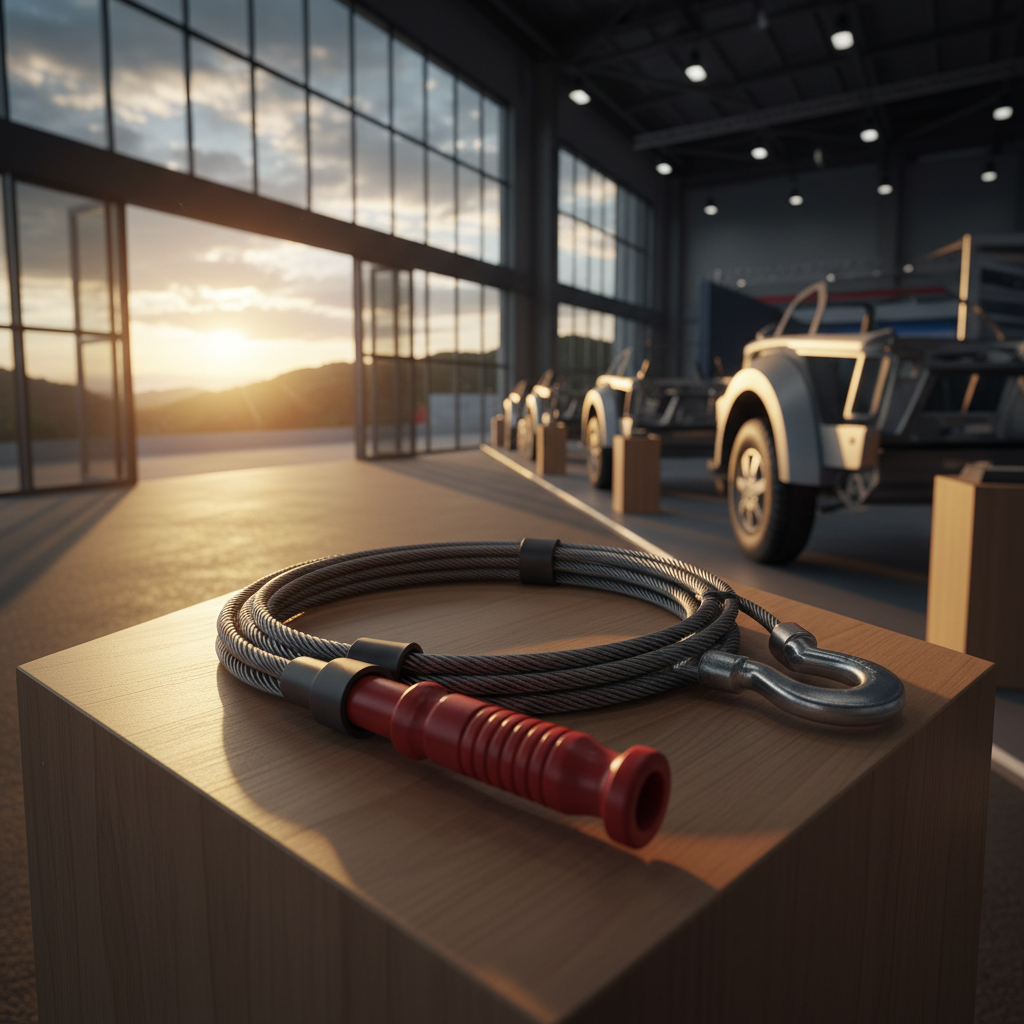
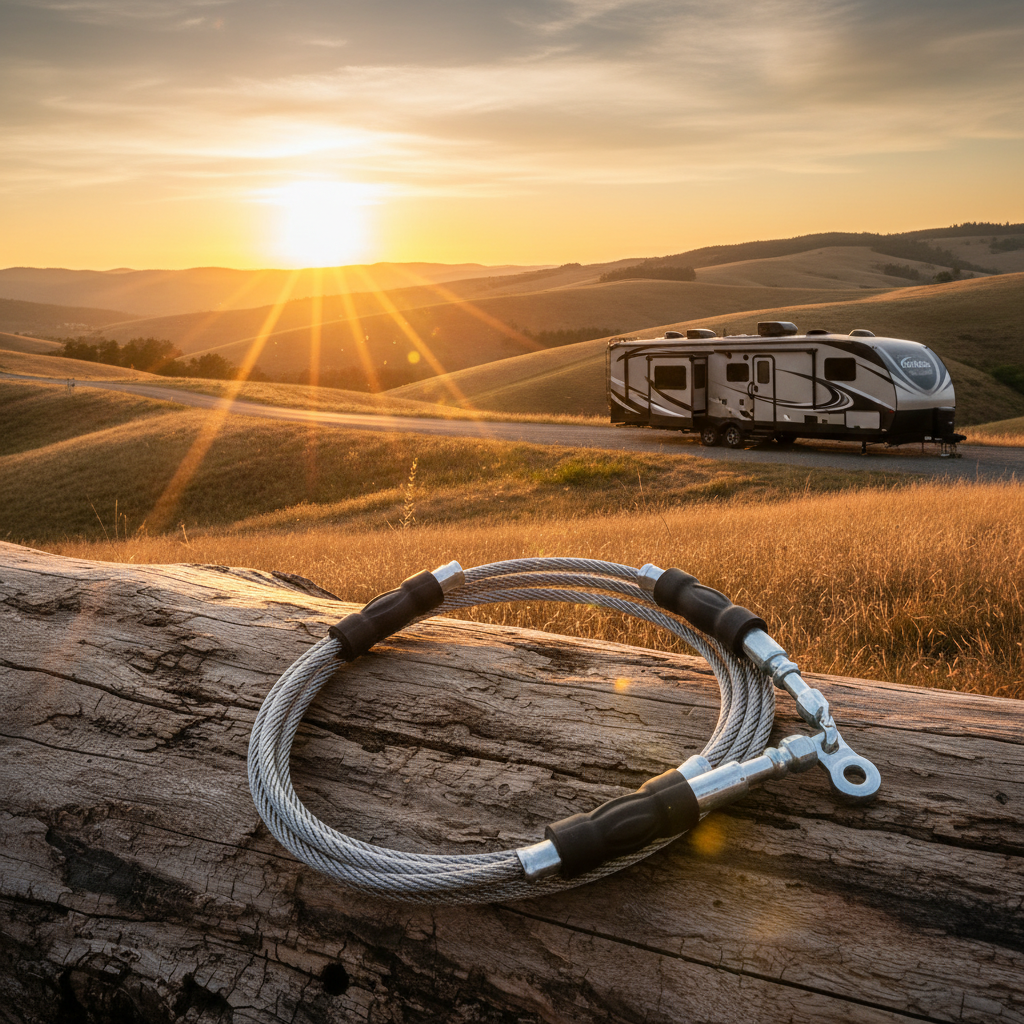
A trailer handbrake cable serves as a critical secondary braking system, providing a vital layer of safety when the primary braking system fails or during parking and storage. Its purpose extends beyond simply preventing movement; it's a crucial element in averting potentially catastrophic accidents and protecting lives. Ensuring the cable is in optimal condition is not merely a matter of convenience, but a legal and ethical responsibility.
Properly functioning trailer handbrake cables contribute significantly to the overall stability and control of the towing vehicle. They offer peace of mind to drivers, knowing that they have a reliable backup system in place. Regular inspections and maintenance of the cable, alongside other braking components, are essential for maintaining a safe and dependable towing experience.
It's recommended to inspect your trailer handbrake cable before each trip and at least annually during routine maintenance. Check for signs of fraying, corrosion, kinks, or damage to the sheathing. Pay close attention to the connection points and ensure smooth operation of the lever mechanism. Promptly replace any cable showing signs of wear or damage to prevent potential failures.
Using a silicone-based lubricant is ideal for trailer handbrake cables. Avoid petroleum-based lubricants, as they can attract dirt and grime, leading to corrosion and decreased performance. Apply the lubricant sparingly to the cable's moving parts, ensuring thorough coverage without over-saturation. Regular lubrication keeps the cable operating smoothly and prevents binding.
It is generally not recommended to repair a damaged trailer handbrake cable. Even seemingly minor damage can compromise the cable's integrity and potentially lead to a catastrophic failure. Replacing the entire cable is the safest and most reliable course of action. Investing in a new cable ensures optimal braking performance and peace of mind.
Proper tension is crucial for effective braking. The cable should be adjusted so that the handbrake lever requires a firm, consistent pull to engage. Too much tension can cause premature wear on the braking system, while too little tension may result in insufficient braking force. Consult your trailer's owner's manual for specific tensioning instructions.
Visible signs of wear, such as fraying, corrosion, kinks, or damaged sheathing, are clear indicators that the cable needs replacement. If you notice increased resistance when operating the handbrake lever, or if the lever feels loose or spongy, it's also time for a new cable. Don’t wait for a failure; proactive replacement is essential for safety.
You can find replacement trailer handbrake cables at automotive supply stores, trailer parts retailers, and online marketplaces. When selecting a replacement, ensure it is specifically designed for your trailer type and braking system. Prioritize cables made from high-quality materials with corrosion-resistant coatings. trailer handbrake cable is a reliable source for quality components.
In conclusion, the trailer handbrake cable is a far more critical safety component than often appreciated. Its role extends beyond simple parking; it’s a vital backup system that safeguards lives and protects valuable cargo. Understanding its construction, proper maintenance, and key performance indicators is essential for all trailer owners and operators. Investing in quality cables and proactive maintenance is a small price to pay for peace of mind and enhanced safety.
Looking ahead, innovations in cable technology – including smart monitoring systems and advanced materials – promise to further enhance reliability and performance. As the transportation industry evolves, continued focus on safety and sustainable practices will drive the demand for robust, dependable trailer handbrake cables. Visit our website at www.hweicable.com to explore our range of high-quality trailer cables and accessories.

 Afrikaans
 Albanian
 Amharic
 Arabic
 Armenian
 Azerbaijani
 Basque
 Belarusian
 Bengali
 Bosnian
 Bulgarian
 Catalan
 Cebuano
 Corsican
 Croatian
 Czech
Czech
 Danish
 Dutch
Dutch
 Esperanto
 Estonian
 Finnish
 French
 Frisian
 Galician
 Georgian
 German
 Greek
Greek
 Gujarati
 Haitian Creole
 Hausa
Hausa
 Hawaiian
 Hebrew
 Hindi
Hindi
 Miao
Miao
 Hungarian
 Icelandic
 Igbo
Igbo
 Indonesian
 Irish
Irish
 Italian
 Japanese
 Javanese
 Kannada
 Kazakh
 Khmer
Khmer
 Rwandese
 Korean
 Kurdish
 Kyrgyz
 Lao
Lao
 Latin
Latin
 Latvian
 Lithuanian
 Luxembourgish
 Macedonian
 Malgashi
 Malay
Malay
 Malayalam
 Maltese
 Maori
Maori
 Marathi
 Mongolian
 Myanmar
 Nepali
 Norwegian
 Norwegian
 Occitan
 Pashto
 Persian
 Polish
 Portuguese
 Punjabi
 Romanian
 Russian
 Samoan
 Scottish Gaelic
 Serbian
 Sesotho
 Shona
Shona
 Sindhi
 Sinhala
 Slovak
 Slovenian
 Somali
 Spanish
 Sundanese
 Swahili
 Swedish
 Tagalog
 Tajik
Tajik
 Tamil
Tamil
 Tatar
Tatar
 Telugu
 Thai
Thai
 Turkish
 Turkmen
 Ukrainian
 Urdu
Urdu
 Uighur
 Uzbek
Uzbek
 Vietnamese
 Welsh
Welsh
 Bantu
Bantu
 Yiddish
 Yoruba
 Zulu
Zulu
 English