
Comprehensive Guide to the Dual Cable Throttle Assembly for Optimal Performance
Understanding the Dual Cable Throttle Assembly: A Comprehensive Guide
The dual cable throttle assembly is a crucial component in various machinery and vehicle applications, providing precise control over engine speed and power. This article delves into its functionality, applications, benefits, and factors to consider when choosing the right assembly. We will explore its importance in ensuring optimal performance and safety across different industries. Understanding the nuances of a dual cable throttle assembly is key for mechanics, engineers, and anyone working with motorized equipment.
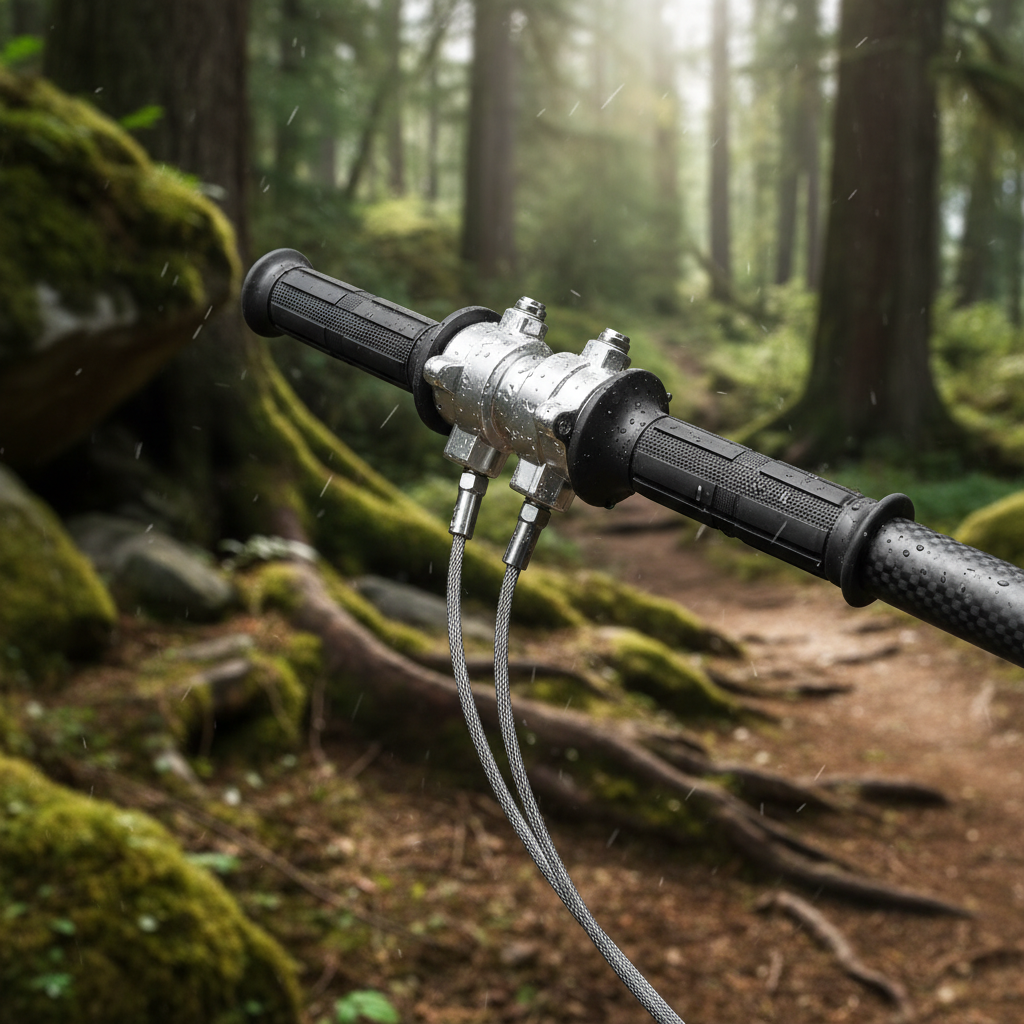
What is a Dual Cable Throttle Assembly?
A dual cable throttle assembly utilizes two cables to connect the throttle lever (typically found on the handlebar or foot pedal) to the throttle plate within the engine’s carburetor or throttle body. This design provides redundancy and increased responsiveness. The first cable is typically for primary throttle control, while the second acts as a backup or assists in providing smoother, more consistent acceleration. This is particularly important in applications where precise control is essential, such as motorcycles, ATVs, and marine engines. Unlike single cable systems, a dual cable setup often distributes the load more evenly, leading to reduced cable wear and a longer lifespan.
Key Benefits: Enhanced responsiveness, increased safety through redundancy, smoother acceleration, and reduced cable fatigue.
Applications of Dual Cable Throttle Assemblies
The applications for dual cable throttle assemblies are widespread. They are commonly found in:
- Motorcycles: Ensuring precise throttle control for safe and enjoyable riding.
- ATVs and UTVs: Providing reliable operation in rugged terrain.
- Marine Engines: Delivering responsive power for boats and personal watercraft.
- Heavy Machinery: Controlling engine speed in equipment like generators and pumps.
- Lawnmowers & Garden Equipment: Enabling efficient control for various tasks.
The robust construction and reliable performance of these assemblies make them ideal for demanding environments. They are often chosen for applications where safety and precision are paramount.
Factors to Consider When Choosing a Dual Cable Throttle Assembly
Selecting the correct dual cable throttle assembly is critical for optimal performance. Here are key factors to evaluate:
- Cable Length: Ensure the cables are the correct length to avoid binding or stretching.
- Cable Diameter: Choose the appropriate diameter based on the engine’s power output.
- Housing Material: Select a durable housing material that can withstand the operating environment.
- Throttle Lever Compatibility: Verify compatibility with your existing throttle lever.
- Overall Quality: Opt for a reputable manufacturer known for producing reliable components.
At HWEICable, we offer a wide range of high-quality throttle assemblies designed to meet diverse needs.
Dual Cable vs. Single Cable Throttle Assemblies: A Comparison
Understanding the differences between dual and single cable throttle assemblies is essential for making the right choice. Here’s a comparative overview:
Maintaining Your Dual Cable Throttle Assembly
Regular maintenance is essential to ensure the longevity and optimal performance of your dual cable throttle assembly. This includes:
- Lubrication: Regularly lubricate the cables to reduce friction and ensure smooth operation.
- Inspection: Inspect the cables and housing for signs of wear, fraying, or damage.
- Adjustment: Periodically check and adjust the cable tension to maintain proper throttle response.
- Cleaning: Keep the assembly clean from dirt and debris.
Proper maintenance can prevent premature failure and ensure your equipment operates safely and efficiently.
Conclusion: Invest in Quality Throttle Control
The dual cable throttle assembly is a vital component for numerous applications, offering superior control, reliability, and safety. Choosing the right assembly and maintaining it properly are crucial for optimal performance. HWEICable provides high-quality, durable assemblies to meet your specific needs. Don't compromise on the performance and safety of your equipment – choose a dual cable throttle assembly from a trusted source.
Frequently Asked Questions (FAQs)
What are the advantages of a dual cable system over a single cable system?
A dual cable system offers several advantages. Firstly, it provides redundancy – if one cable fails, the other can still maintain throttle control, enhancing safety. Secondly, it distributes the workload across two cables, reducing stress on each individual cable and extending their lifespan. Finally, the dual cable design often results in smoother and more responsive throttle control, particularly in high-performance applications. The increased responsiveness is due to the more direct connection and reduced cable stretch.
How often should I lubricate the throttle cables?
The frequency of lubrication depends on the operating environment and usage. However, as a general guideline, lubricate the throttle cables every 3-6 months, or more frequently if exposed to harsh conditions like dust, dirt, or moisture. Using a cable lubricator ensures the lubricant reaches the inner strands of the cable, providing optimal performance. Proper lubrication significantly reduces friction and prevents corrosion, extending the cable's lifespan.
What should I do if my throttle cable is sticking or feels stiff?
If your throttle cable is sticking or feels stiff, the first step is to lubricate it thoroughly. If lubrication doesn't resolve the issue, inspect the cable and housing for bends, kinks, or corrosion. A damaged cable or housing may need to be replaced. Ensure the cable routing is correct and free from obstructions. If you are uncomfortable performing these checks yourself, consult a qualified mechanic. Continuing to operate with a sticking throttle can be dangerous.
What materials are dual cable throttle assemblies typically made from?
Dual cable throttle assemblies are typically constructed from a combination of materials. The cables themselves are usually made from stainless steel strands for strength and durability. The housing is often made from high-density polyethylene (HDPE) or a similar polymer for flexibility and resistance to abrasion. The throttle lever and mounting brackets are typically made from aluminum alloy or steel for strength and corrosion resistance. HWEICable uses premium materials to ensure long-lasting performance.
-
High Performance Throttle Cable Linkage for Precision MachineryNewsApr.16,2026
-
Ultimate Guide to Choosing a Quality carburetor throttle cableNewsApr.09,2026
-
Comprehensive Guide to the Dual Cable Throttle Assembly for Optimal PerformanceNewsApr.07,2026
-
The Importance of a Quality Throttle Cable Wire for Engine PerformanceNewsApr.04,2026
-
Understanding the Importance of a Manual Throttle Cable for Optimal PerformanceNewsMar.31,2026
-
Understanding the Critical Role of Throttle Rod Linkage in Engine PerformanceNewsMar.28,2026
 Afrikaans
 Albanian
 Amharic
 Arabic
 Armenian
 Azerbaijani
 Basque
 Belarusian
 Bengali
 Bosnian
 Bulgarian
 Catalan
 Cebuano
 Corsican
 Croatian
 Czech
Czech
 Danish
 Dutch
Dutch
 Esperanto
 Estonian
 Finnish
 French
 Frisian
 Galician
 Georgian
 German
 Greek
Greek
 Gujarati
 Haitian Creole
 Hausa
Hausa
 Hawaiian
 Hebrew
 Hindi
Hindi
 Miao
Miao
 Hungarian
 Icelandic
 Igbo
Igbo
 Indonesian
 Irish
Irish
 Italian
 Japanese
 Javanese
 Kannada
 Kazakh
 Khmer
Khmer
 Rwandese
 Korean
 Kurdish
 Kyrgyz
 Lao
Lao
 Latin
Latin
 Latvian
 Lithuanian
 Luxembourgish
 Macedonian
 Malgashi
 Malay
Malay
 Malayalam
 Maltese
 Maori
Maori
 Marathi
 Mongolian
 Myanmar
 Nepali
 Norwegian
 Norwegian
 Occitan
 Pashto
 Persian
 Polish
 Portuguese
 Punjabi
 Romanian
 Russian
 Samoan
 Scottish Gaelic
 Serbian
 Sesotho
 Shona
Shona
 Sindhi
 Sinhala
 Slovak
 Slovenian
 Somali
 Spanish
 Sundanese
 Swahili
 Swedish
 Tagalog
 Tajik
Tajik
 Tamil
Tamil
 Tatar
Tatar
 Telugu
 Thai
Thai
 Turkish
 Turkmen
 Ukrainian
 Urdu
Urdu
 Uighur
 Uzbek
Uzbek
 Vietnamese
 Welsh
Welsh
 Bantu
Bantu
 Yiddish
 Yoruba
 Zulu
Zulu
 English