The reliability and safety of braking systems are paramount in any vehicle, and the hand brake line plays a crucial, often underestimated, role in ensuring both. From everyday passenger cars to heavy-duty commercial vehicles, a properly functioning hand brake is essential for secure parking, emergency stops, and maintaining control, especially on inclines. Understanding the components, maintenance, and technological advancements related to hand brake lines is therefore vital for vehicle manufacturers, mechanics, and drivers alike. This knowledge translates directly into enhanced safety and reduced risk of accidents.
Globally, the automotive industry is experiencing rapid growth, particularly in emerging markets. This surge in vehicle production and usage has led to an increased demand for high-quality, durable, and reliable braking components, including hand brake lines. International standards, such as those set by ISO and SAE, dictate stringent performance criteria for these lines, necessitating consistent advancements in materials and manufacturing processes. Addressing challenges like corrosion, fatigue, and compatibility with new braking technologies is key to maintaining safety standards worldwide.
Furthermore, the increasing focus on vehicle safety regulations and consumer awareness is driving innovation in the automotive sector. The hand brake line is no longer simply a mechanical cable; it’s becoming integrated with electronic parking brake (EPB) systems, demanding higher precision and reliability. This shift presents opportunities for manufacturers to develop advanced solutions that meet evolving industry demands and ensure optimal vehicle performance.

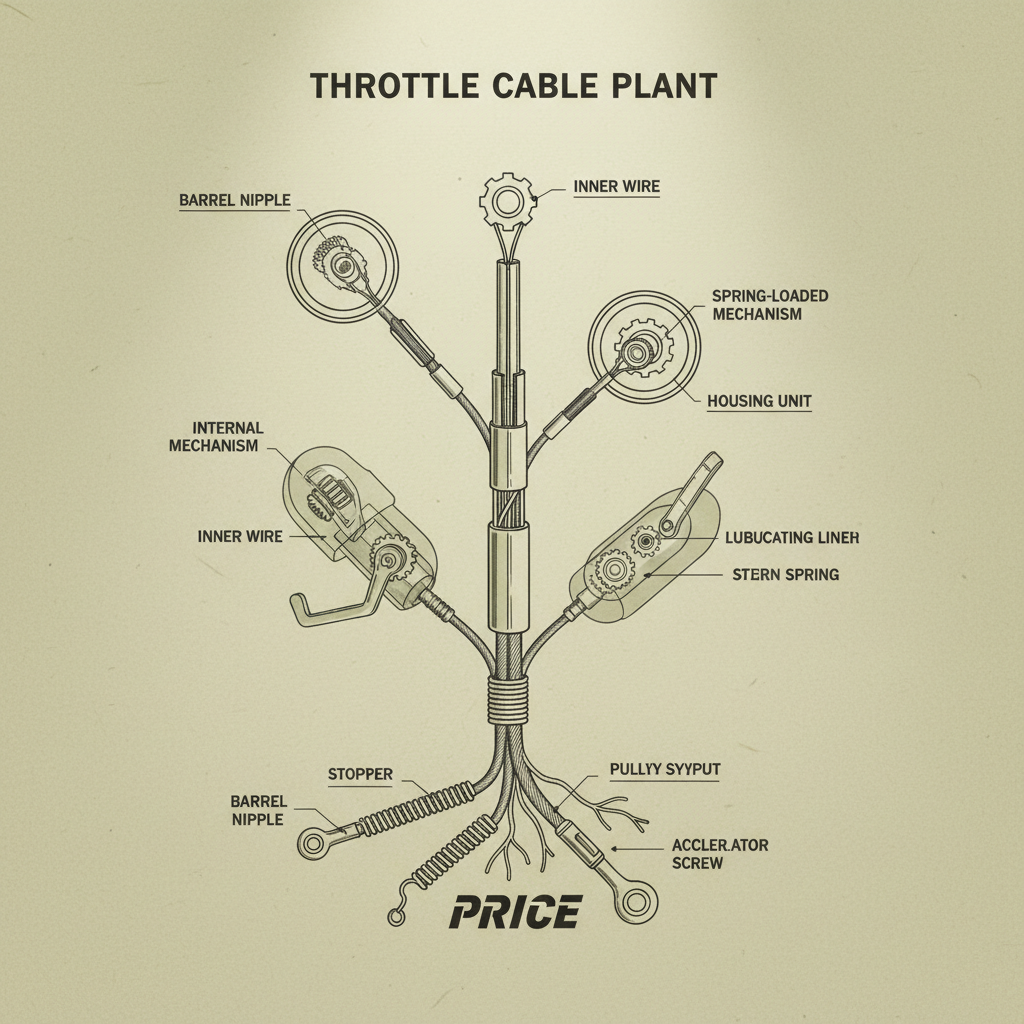
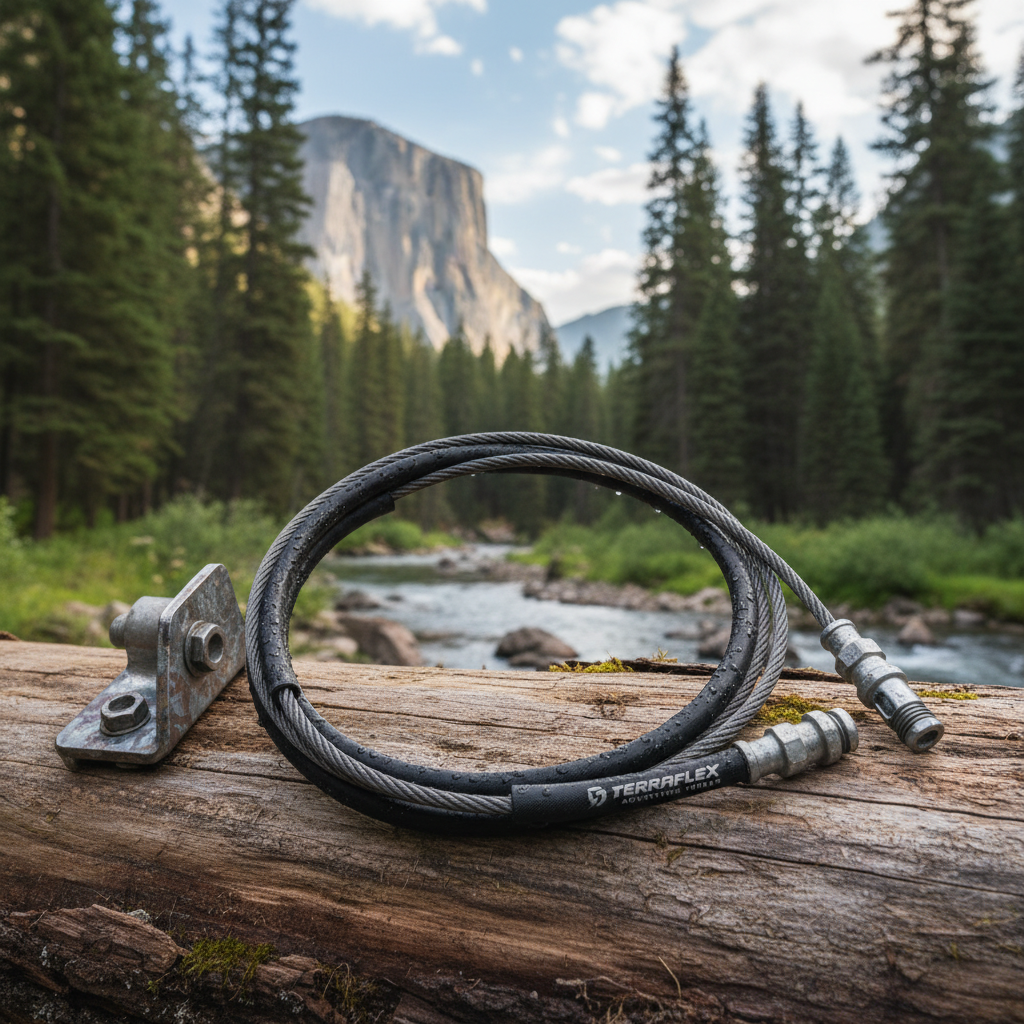
A hand brake line, also often called a parking brake cable, is a vital mechanical linkage connecting the hand brake lever (or foot-operated pedal) to the vehicle's rear brakes. Its primary function is to mechanically apply the brakes to one or both rear wheels, preventing the vehicle from rolling when parked or during emergency stops. Historically, these lines were simple steel cables, but modern designs often incorporate more sophisticated materials and constructions to enhance durability and performance.
In the modern automotive context, the hand brake line is evolving. While traditional mechanical systems remain prevalent, electronic parking brakes (EPB) are becoming increasingly common. These systems replace the mechanical cable with electronic actuators, offering advantages like precise control and integration with advanced driver-assistance systems (ADAS). Even with EPB systems, a robust and reliable connection – often a specialized cable – is still a critical component.
The lifespan of a hand brake line varies based on usage, environmental conditions, and material quality. Generally, a well-maintained line can last between 50,000 to 100,000 miles. However, exposure to salt, corrosion, and frequent use can significantly shorten this lifespan. Regular inspections are crucial to identify wear and tear before a complete failure occurs, ensuring optimal braking performance and driver safety. Proactive replacement based on inspection findings is always recommended.
It's recommended to visually inspect your hand brake line at least twice a year, or during routine vehicle maintenance. Look for signs of fraying, corrosion, kinking, or damage to the outer sheath. Pay particular attention to areas where the line bends or passes through the vehicle chassis. If you notice any of these issues, or if the hand brake feels spongy or doesn’t hold securely, it’s essential to have the line inspected and replaced by a qualified mechanic.
Generally, a corroded hand brake line should be replaced, not repaired. Corrosion weakens the metal and compromises the line’s structural integrity. Attempting to repair a corroded line is a temporary fix and poses a significant safety risk. Replacing the entire line ensures that the braking system operates reliably and safely. Patching or splicing corroded sections is not recommended due to the potential for catastrophic failure.
Common symptoms of a failing hand brake line include a spongy or soft hand brake pedal, an inability to fully engage the hand brake, a hand brake that doesn’t hold the vehicle securely, or unusual noises when applying the hand brake. You might also notice visible signs of damage, such as fraying or corrosion. If you experience any of these symptoms, it’s crucial to have the hand brake line inspected immediately by a professional mechanic.
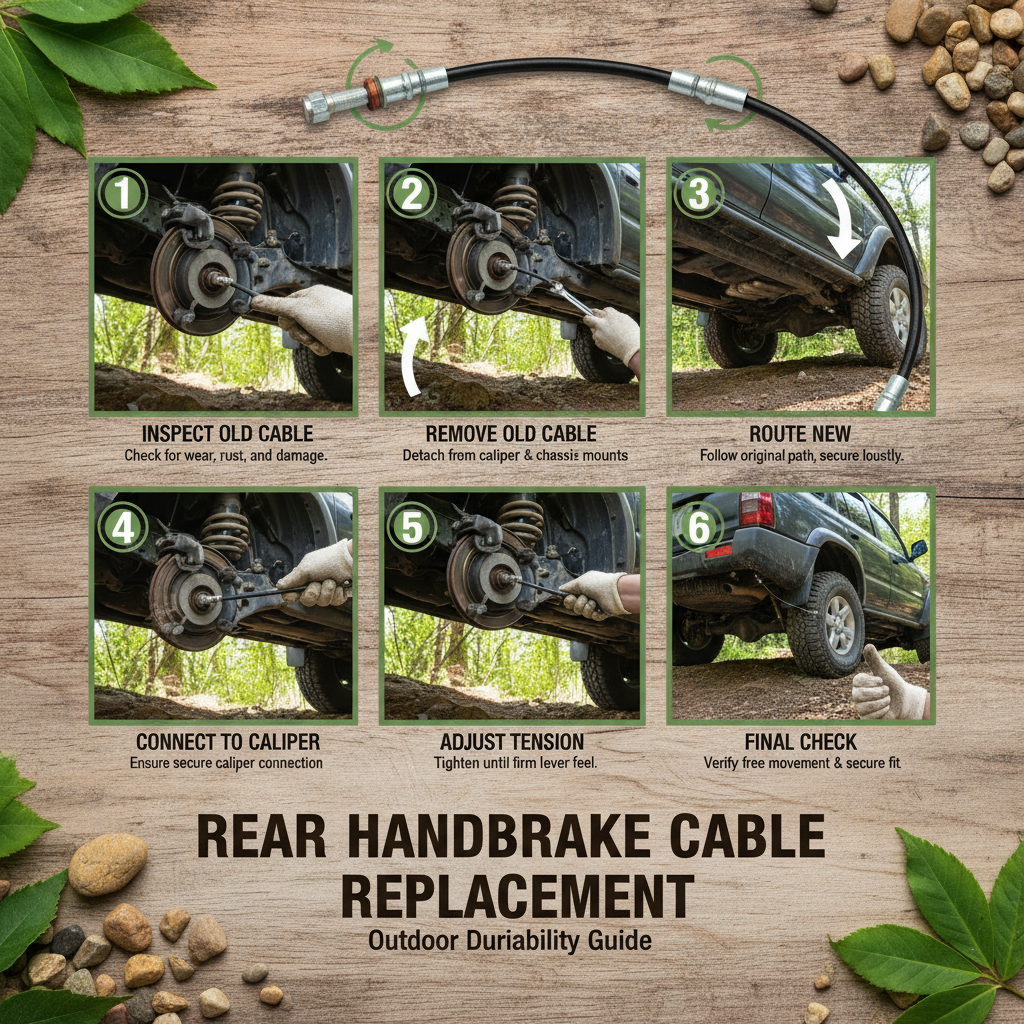
Replacing a hand brake line can be a complex task requiring specialized tools and knowledge of the vehicle’s braking system. While experienced DIY mechanics may attempt this repair, it’s generally recommended to have it done by a qualified professional. Improper installation can lead to brake failure and compromise vehicle safety. A mechanic can ensure the line is correctly routed, securely connected, and properly adjusted.
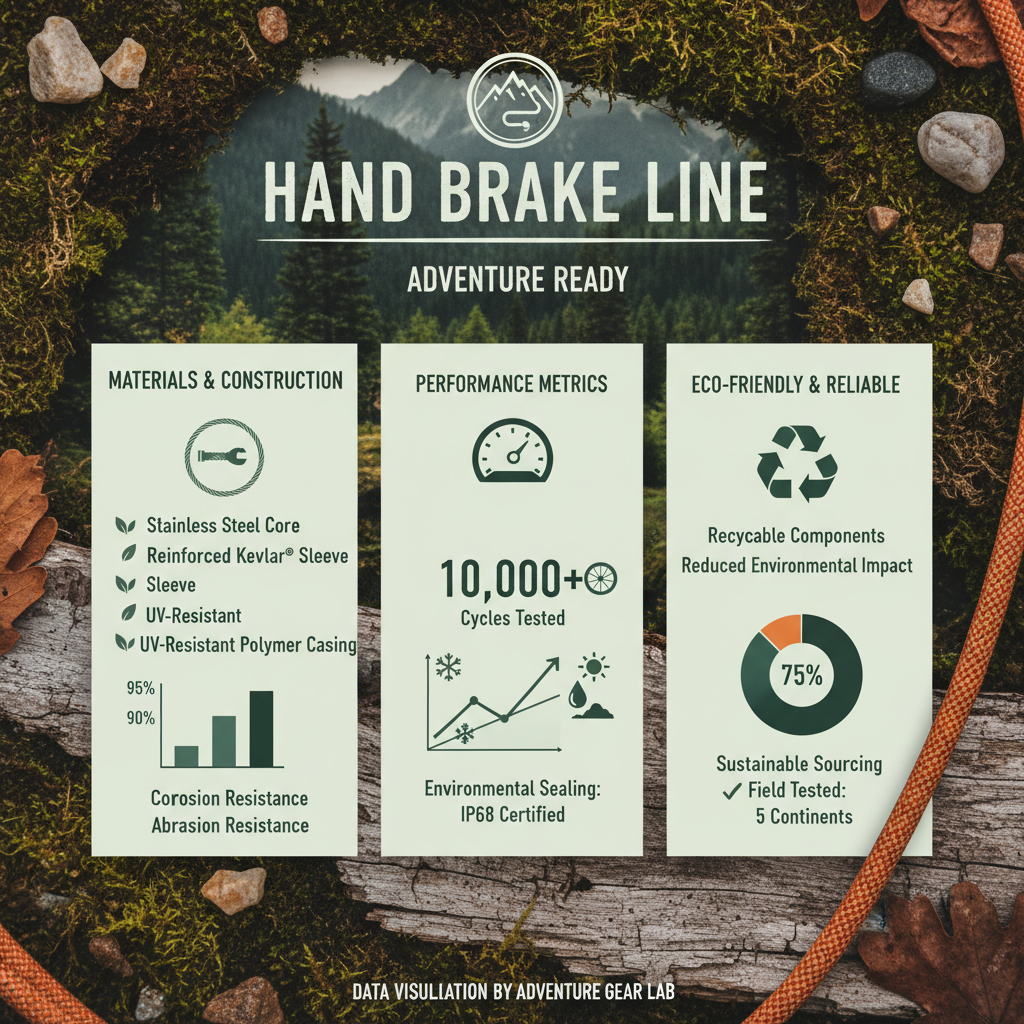
Stainless steel hand brake lines offer several advantages over traditional steel lines. They provide superior corrosion resistance, significantly extending the lifespan of the line. They also offer improved performance due to reduced expansion under pressure, resulting in a firmer and more responsive hand brake feel. While more expensive upfront, stainless steel lines offer long-term value and enhanced reliability, making them a worthwhile investment for performance vehicles or those operating in harsh environments.
In conclusion, the hand brake line, though often overlooked, is a critical component of vehicle safety. Understanding its function, core components, and potential failure points is essential for both vehicle owners and professionals. From traditional mechanical systems to advanced EPB technologies, ongoing innovation is driving improvements in durability, reliability, and performance.
Looking ahead, continued advancements in materials science, sensor technology, and autonomous driving will shape the future of hand brake line technology. Prioritizing regular inspections, utilizing high-quality components, and embracing new technologies will ensure that these vital systems continue to provide safe and reliable braking performance for years to come. For high-quality hand brake lines and expert solutions, visit our website today.

 Afrikaans
 Albanian
 Amharic
 Arabic
 Armenian
 Azerbaijani
 Basque
 Belarusian
 Bengali
 Bosnian
 Bulgarian
 Catalan
 Cebuano
 Corsican
 Croatian
 Czech
Czech
 Danish
 Dutch
Dutch
 Esperanto
 Estonian
 Finnish
 French
 Frisian
 Galician
 Georgian
 German
 Greek
Greek
 Gujarati
 Haitian Creole
 Hausa
Hausa
 Hawaiian
 Hebrew
 Hindi
Hindi
 Miao
Miao
 Hungarian
 Icelandic
 Igbo
Igbo
 Indonesian
 Irish
Irish
 Italian
 Japanese
 Javanese
 Kannada
 Kazakh
 Khmer
Khmer
 Rwandese
 Korean
 Kurdish
 Kyrgyz
 Lao
Lao
 Latin
Latin
 Latvian
 Lithuanian
 Luxembourgish
 Macedonian
 Malgashi
 Malay
Malay
 Malayalam
 Maltese
 Maori
Maori
 Marathi
 Mongolian
 Myanmar
 Nepali
 Norwegian
 Norwegian
 Occitan
 Pashto
 Persian
 Polish
 Portuguese
 Punjabi
 Romanian
 Russian
 Samoan
 Scottish Gaelic
 Serbian
 Sesotho
 Shona
Shona
 Sindhi
 Sinhala
 Slovak
 Slovenian
 Somali
 Spanish
 Sundanese
 Swahili
 Swedish
 Tagalog
 Tajik
Tajik
 Tamil
Tamil
 Tatar
Tatar
 Telugu
 Thai
Thai
 Turkish
 Turkmen
 Ukrainian
 Urdu
Urdu
 Uighur
 Uzbek
Uzbek
 Vietnamese
 Welsh
Welsh
 Bantu
Bantu
 Yiddish
 Yoruba
 Zulu
Zulu
 English