The hand brake cable adjuster, a seemingly small component, plays a crucial role in vehicle safety and operational efficiency. Understanding its function, proper maintenance, and the advancements in its design is paramount for automotive professionals, vehicle owners, and even those involved in vehicle manufacturing. Globally, the demand for reliable and robust braking systems, including efficient hand brake mechanisms, continues to rise with increasing vehicle production and stringent safety regulations. A well-maintained hand brake cable adjuster ensures optimal stopping power and prevents potential accidents, contributing significantly to road safety worldwide.
The automotive industry is a massive global enterprise, with millions of vehicles produced annually. Within this industry, even the smallest components like the hand brake cable adjuster have a substantial economic impact. The development and production of these adjusters create jobs, drive innovation in materials and manufacturing processes, and contribute to a multi-billion dollar supply chain. Furthermore, the increasing focus on vehicle safety standards, driven by organizations like the NHTSA and Euro NCAP, necessitates consistent improvements in braking system components, boosting the demand for high-quality hand brake cable adjuster solutions.
Beyond the automotive sector, the principles behind hand brake cable adjusters – precise tension control and reliable mechanical operation – are applicable to various other industries, including industrial machinery, aviation, and even specialized equipment. Understanding the fundamental mechanics of these adjusters can therefore benefit a wide range of engineering disciplines and contribute to improvements in safety and performance across diverse applications.


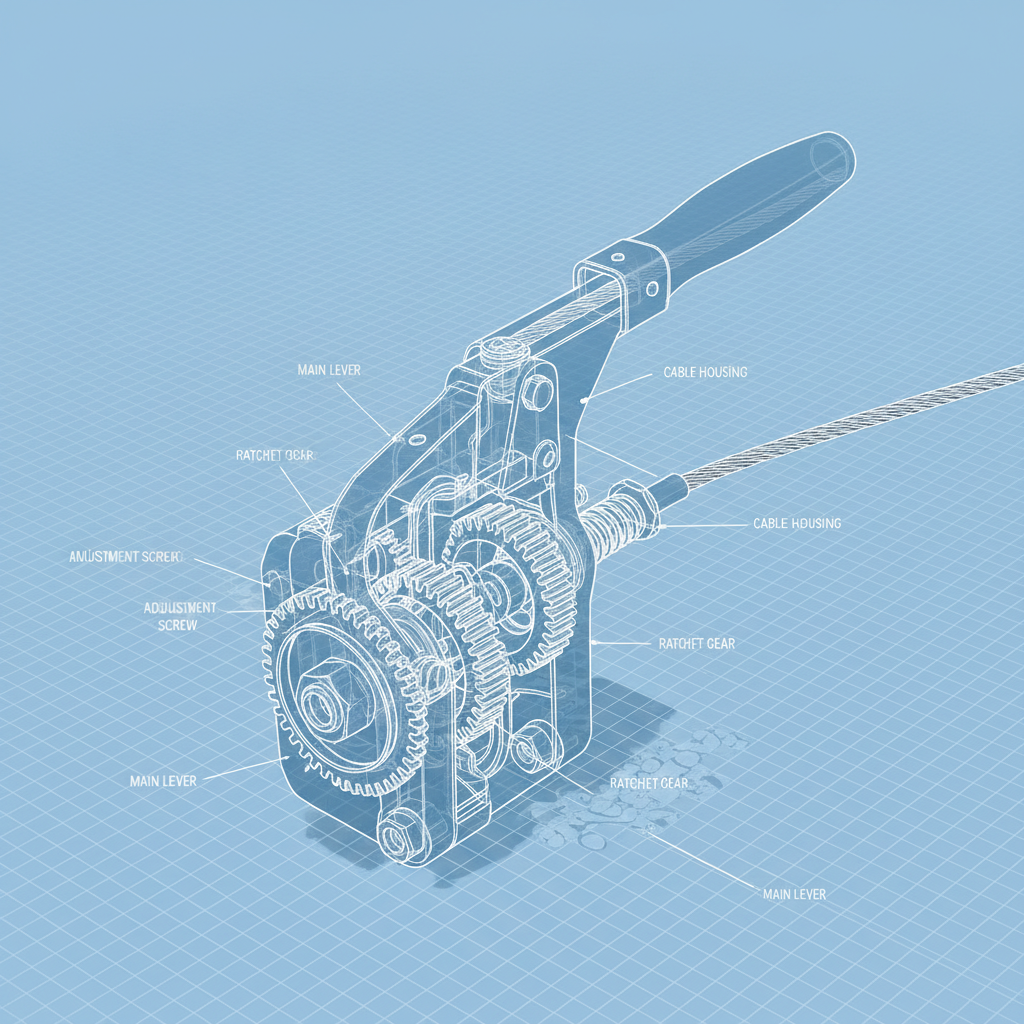
The hand brake cable adjuster is a vital component within a vehicle's parking brake system. Its primary function is to maintain the proper tension of the hand brake cable, ensuring that the brake shoes or pads engage effectively when the hand brake is applied. Without a correctly adjusted hand brake cable, the vehicle might not remain securely stationary, especially on inclines, posing a significant safety risk. Understanding the role of this adjuster is crucial for anyone involved in vehicle maintenance and repair.
Modern vehicles often incorporate sophisticated braking systems, including ABS and electronic parking brakes. However, the traditional mechanical hand brake, reliant on a cable and adjuster, remains prevalent in many vehicles, particularly in older models and some contemporary designs. The reliable operation of a hand brake cable adjuster is therefore essential for maintaining the safety and functionality of a substantial portion of the vehicle fleet.
It’s generally recommended to inspect your hand brake cable adjuster every 6 months or 6,000 miles, especially if you frequently use your hand brake. Look for signs of wear, corrosion, or difficulty adjusting the cable. Regular inspection can prevent more significant problems and ensure the safety of your vehicle. A properly adjusted hand brake cable adjuster is crucial for secure parking.
Signs your adjuster may need replacement include excessive corrosion, difficulty in achieving proper cable tension, a stripped or damaged threaded rod, or a broken locking nut. If you've attempted to adjust the cable and it still doesn’t hold, replacement is likely necessary. Ignoring these signs can compromise the effectiveness of your parking brake.
Yes, over-tightening can cause excessive wear on the brake shoes or pads and can even lead to the brake being partially engaged while driving. This creates unnecessary drag, reducing fuel efficiency and potentially overheating the brakes. Always adjust the cable just enough to securely hold the vehicle on an incline.
Replacing a hand brake cable adjuster can be a DIY job for experienced mechanics with the appropriate tools. However, it requires a good understanding of braking systems and careful attention to detail. If you are not comfortable working on your vehicle's brakes, it’s best to have the work done by a qualified professional. Incorrect installation can jeopardize your safety.
Hand brake cable adjusters are typically manufactured from steel or alloy materials due to their strength and durability. Some modern adjusters may incorporate plastic components for certain non-critical parts. Corrosion-resistant coatings are often applied to protect against rust and environmental damage, ensuring a longer lifespan.
Yes, even self-adjusting systems require periodic inspection. While they automatically compensate for cable stretch and wear, they can become obstructed or malfunction. Regular checks ensure that the system is functioning correctly and that the parking brake is applying sufficient force. Don't rely solely on the automatic adjustment; proactive maintenance is key.
In conclusion, the hand brake cable adjuster, though often overlooked, is a critical component of vehicle safety. Understanding its function, core components, and the factors influencing its performance is essential for vehicle owners, maintenance professionals, and manufacturers alike. Continued innovation in materials, design, and integration with digital technologies will ensure that the hand brake cable adjuster remains a reliable and effective element of braking systems for years to come.
Looking ahead, prioritizing regular inspection and maintenance of this component, coupled with the adoption of advanced adjuster technologies, will contribute significantly to improved road safety and vehicle reliability. We encourage you to explore our comprehensive range of high-quality hand brake cable adjuster solutions and accessories on our website. Visit www.hweicable.com to learn more and find the perfect fit for your needs.




 Afrikaans
 Albanian
 Amharic
 Arabic
 Armenian
 Azerbaijani
 Basque
 Belarusian
 Bengali
 Bosnian
 Bulgarian
 Catalan
 Cebuano
 Corsican
 Croatian
 Czech
Czech
 Danish
 Dutch
Dutch
 Esperanto
 Estonian
 Finnish
 French
 Frisian
 Galician
 Georgian
 German
 Greek
Greek
 Gujarati
 Haitian Creole
 Hausa
Hausa
 Hawaiian
 Hebrew
 Hindi
Hindi
 Miao
Miao
 Hungarian
 Icelandic
 Igbo
Igbo
 Indonesian
 Irish
Irish
 Italian
 Japanese
 Javanese
 Kannada
 Kazakh
 Khmer
Khmer
 Rwandese
 Korean
 Kurdish
 Kyrgyz
 Lao
Lao
 Latin
Latin
 Latvian
 Lithuanian
 Luxembourgish
 Macedonian
 Malgashi
 Malay
Malay
 Malayalam
 Maltese
 Maori
Maori
 Marathi
 Mongolian
 Myanmar
 Nepali
 Norwegian
 Norwegian
 Occitan
 Pashto
 Persian
 Polish
 Portuguese
 Punjabi
 Romanian
 Russian
 Samoan
 Scottish Gaelic
 Serbian
 Sesotho
 Shona
Shona
 Sindhi
 Sinhala
 Slovak
 Slovenian
 Somali
 Spanish
 Sundanese
 Swahili
 Swedish
 Tagalog
 Tajik
Tajik
 Tamil
Tamil
 Tatar
Tatar
 Telugu
 Thai
Thai
 Turkish
 Turkmen
 Ukrainian
 Urdu
Urdu
 Uighur
 Uzbek
Uzbek
 Vietnamese
 Welsh
Welsh
 Bantu
Bantu
 Yiddish
 Yoruba
 Zulu
Zulu
 English