To be honest, the whole industry's been buzzing about these new high-tensile steel cables lately. Everyone’s chasing lighter weight, higher strength, you know? It’s good, progress is good, but…have you noticed how quickly everyone jumps on the bandwagon without really thinking things through? Seems like yesterday everyone wanted galvanized, now it’s all about stainless.
It's a constant cycle. What gets me is when designers forget about real life. They’ll spec something that looks great on paper, but try threading that thing through a cramped engine bay in a heatwave? Forget about it. I saw it last year at the Xiangyang auto parts factory – a perfectly engineered cable, completely unusable because of the connector design. A nightmare.
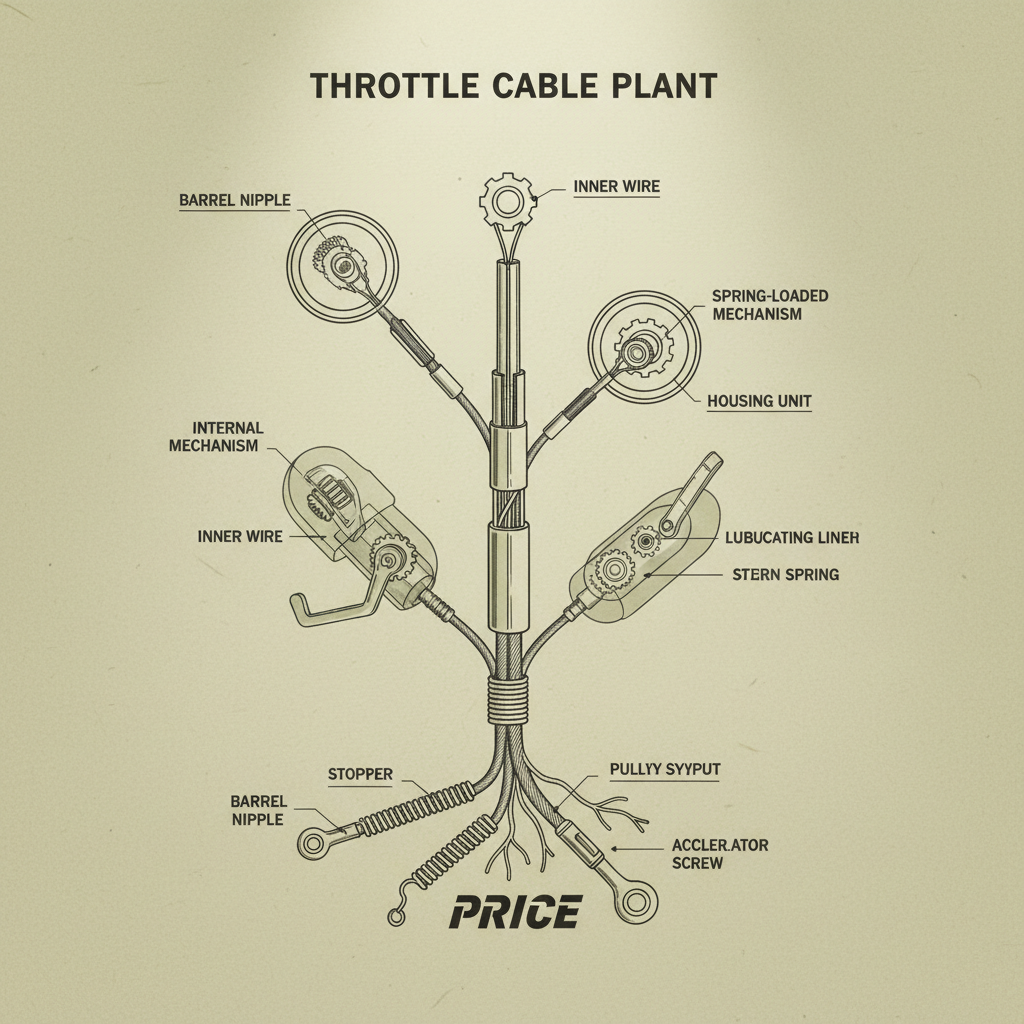
Anyway, we're talking about throttle cables, right? The price… that’s a complicated beast. It's not just the steel, it’s everything else that goes into it.
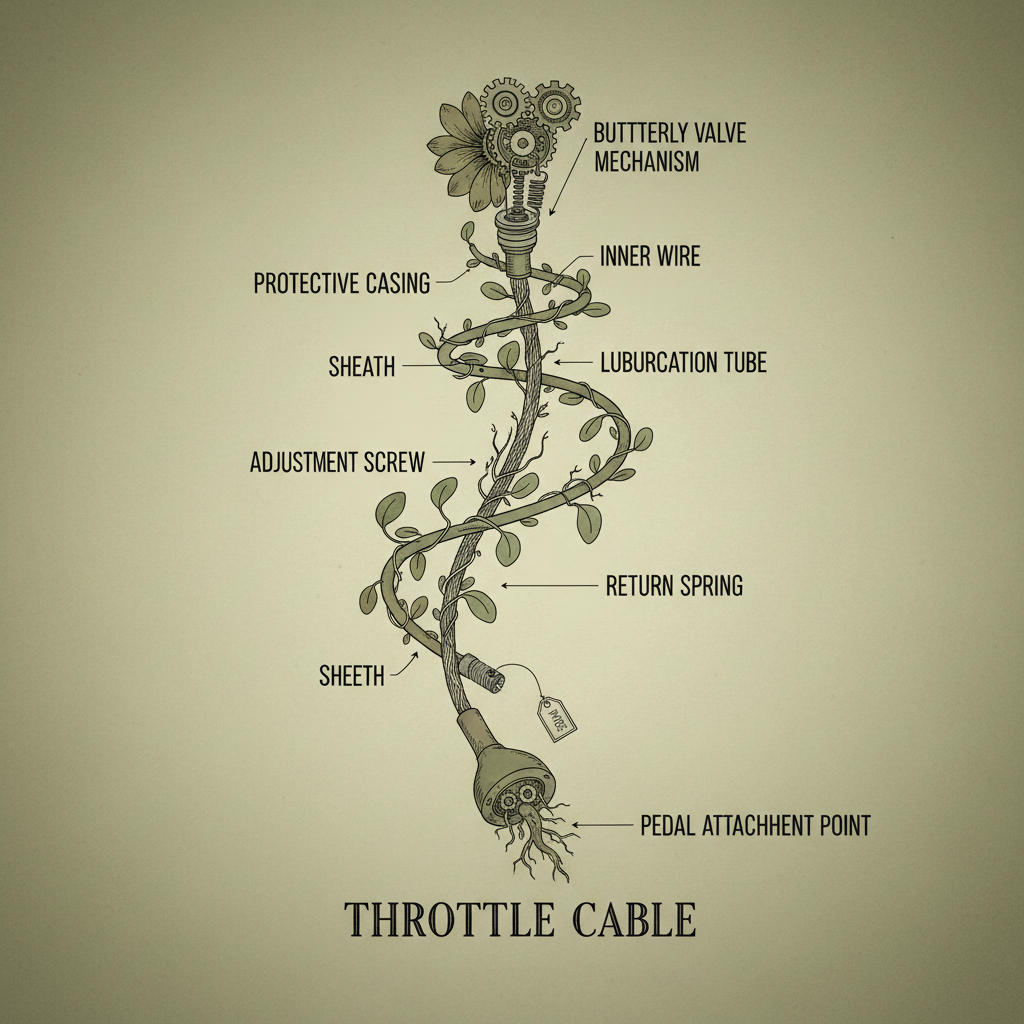
Honestly, the biggest trend I'm seeing isn’t the cable itself, it’s the shift towards electronic throttle controls. It's slowly eating away at the market for traditional cables, but don't count 'em out yet. There's still a huge demand for mechanical cables, especially in older vehicles, agricultural equipment, and smaller engines. And strangely, a lot of folks still prefer the feel and reliability of a cable. You know, direct connection, no computer messing things up.
The price of throttle cable price is largely impacted by the price of raw materials, especially steel and the plastic jacketings. Fluctuations in those markets ripple directly through to us.
That really depends on the environment and how well it's maintained, but generally, you can expect a good quality throttle cable to last anywhere from 50,000 to 100,000 miles. More if it's lubricated regularly and not subjected to extreme conditions. We've seen some cables last over 200,000 miles in lightly used applications. It’s all about prevention, you know? Keep it clean, keep it lubricated, and it'll keep working.
A few telltale signs. Sticking throttle, difficulty returning to idle, or a noticeable fraying of the cable are all indicators. Also, if you notice any resistance when operating the throttle, or if the engine is surging, it’s time to check the cable. Don't ignore these symptoms! A failing throttle cable can be dangerous.
The coating protects the cable from corrosion and abrasion. Uncoated cables are cheaper, but they're more susceptible to rust and wear, especially in harsh environments. A good coating, like polyurethane, will significantly extend the cable's lifespan. It’s worth the extra investment, trust me.
Technically, yes, you can splice a cable. But honestly, I wouldn't recommend it. It's a temporary fix at best, and it compromises the cable's strength and reliability. Replacement is always the best option, especially when safety is concerned. It's just not worth the risk.
The price is driven by several factors. The type of steel used, the quality of the coating, the diameter of the cable, and the complexity of the end fittings all play a role. Also, the manufacturer’s reputation and the quantity you’re ordering will affect the price. You’ll get what you pay for. Cheaper isn’t always better.
Absolutely. We frequently customize cables to meet specific requirements. We can adjust the length, the end fittings, the coating, and even the cable’s diameter. Just provide us with your specifications, and we’ll do our best to accommodate your needs. We've built cables for everything from vintage motorcycles to specialized industrial equipment.
So, yeah, throttle cables aren’t glamorous, but they’re essential. The industry's shifting, materials are evolving, and keeping up with it all is a constant challenge. Understanding the factors that influence quality, durability, and ultimately, the price, is crucial for anyone involved – from designers and manufacturers to mechanics and end-users.
Ultimately, whether this thing works or not, the worker will know the moment he tightens the screw. Visit our website at throttle cable price to learn more about our products and services.

 Afrikaans
 Albanian
 Amharic
 Arabic
 Armenian
 Azerbaijani
 Basque
 Belarusian
 Bengali
 Bosnian
 Bulgarian
 Catalan
 Cebuano
 Corsican
 Croatian
 Czech
Czech
 Danish
 Dutch
Dutch
 Esperanto
 Estonian
 Finnish
 French
 Frisian
 Galician
 Georgian
 German
 Greek
Greek
 Gujarati
 Haitian Creole
 Hausa
Hausa
 Hawaiian
 Hebrew
 Hindi
Hindi
 Miao
Miao
 Hungarian
 Icelandic
 Igbo
Igbo
 Indonesian
 Irish
Irish
 Italian
 Japanese
 Javanese
 Kannada
 Kazakh
 Khmer
Khmer
 Rwandese
 Korean
 Kurdish
 Kyrgyz
 Lao
Lao
 Latin
Latin
 Latvian
 Lithuanian
 Luxembourgish
 Macedonian
 Malgashi
 Malay
Malay
 Malayalam
 Maltese
 Maori
Maori
 Marathi
 Mongolian
 Myanmar
 Nepali
 Norwegian
 Norwegian
 Occitan
 Pashto
 Persian
 Polish
 Portuguese
 Punjabi
 Romanian
 Russian
 Samoan
 Scottish Gaelic
 Serbian
 Sesotho
 Shona
Shona
 Sindhi
 Sinhala
 Slovak
 Slovenian
 Somali
 Spanish
 Sundanese
 Swahili
 Swedish
 Tagalog
 Tajik
Tajik
 Tamil
Tamil
 Tatar
Tatar
 Telugu
 Thai
Thai
 Turkish
 Turkmen
 Ukrainian
 Urdu
Urdu
 Uighur
 Uzbek
Uzbek
 Vietnamese
 Welsh
Welsh
 Bantu
Bantu
 Yiddish
 Yoruba
 Zulu
Zulu
 English