
Understanding the Critical Role of Throttle Rod Linkage in Engine Performance
Understanding the Importance of a Throttle Rod Linkage
In the realm of engine control, especially in heavy machinery and vehicles, the throttle rod linkage plays a critical, often understated, role. It’s the mechanical connection between the accelerator pedal and the throttle body, directly influencing engine speed and power. A properly functioning linkage is essential for smooth operation, accurate control, and overall engine health. This article will delve into the components, common issues, maintenance, and the importance of sourcing high-quality linkages, like those offered by HWEI Cable. Effective throttle control is paramount for safety and performance, impacting everything from fuel efficiency to operator experience.
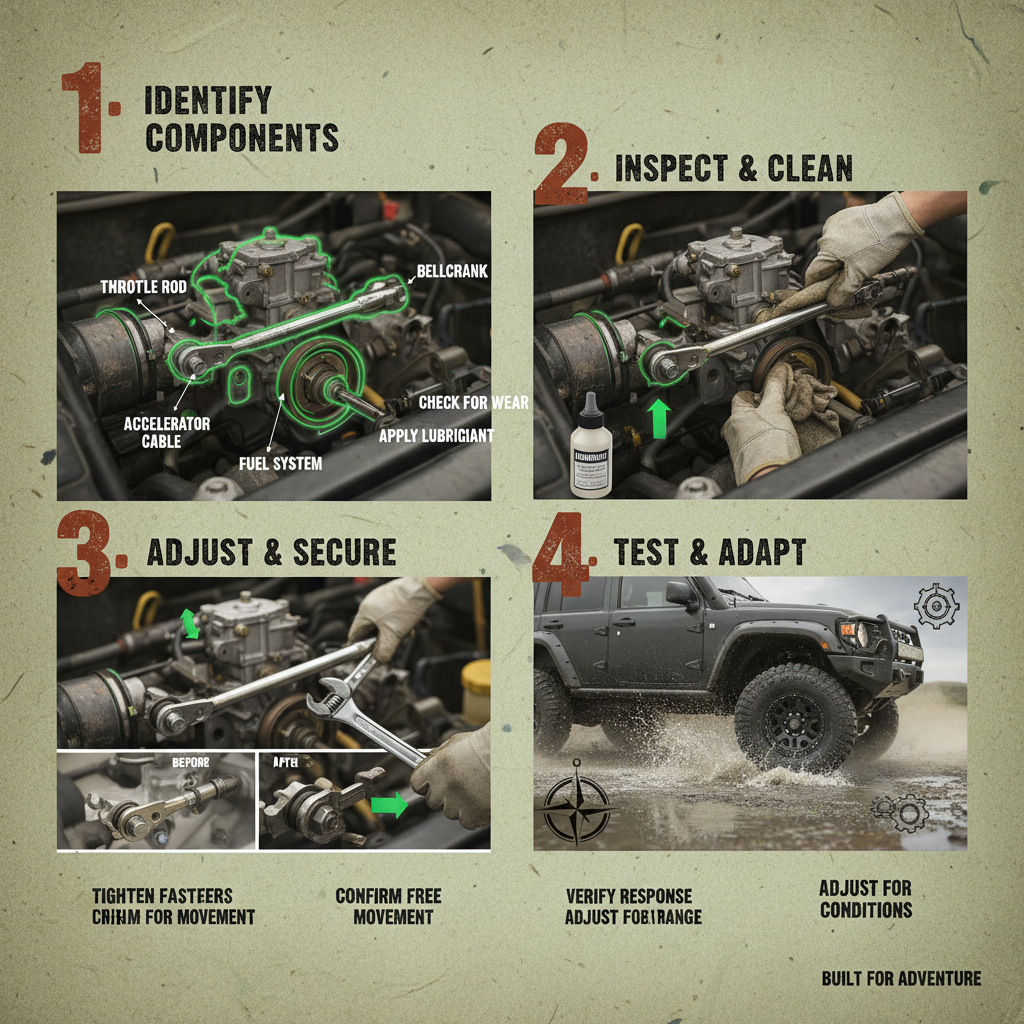
Components of a Typical Throttle Rod Linkage System
A standard throttle rod linkage system comprises several key elements. These include the accelerator pedal, throttle cable (or rods), various linkage arms, springs, and the throttle body connection. The accelerator pedal initiates the movement, which is then transmitted through the cable or rods to the linkage arms. These arms translate the motion and apply it to the throttle plate within the throttle body. Springs are crucial for providing return-to-idle functionality, ensuring the engine doesn’t remain at a high speed unintentionally. The precision of each component directly impacts the accuracy and responsiveness of the throttle control. HWEI Cable specializes in producing durable and precise components for these systems.
Key Takeaway: The throttle rod linkage is a complex system requiring careful assembly and adjustment for optimal performance.
Common Issues with Throttle Rod Linkage Systems
Several issues can arise with throttle rod linkages. These include cable stretch or fraying, loose connections, bent or damaged linkage arms, and corrosion. Cable stretch leads to decreased responsiveness and requires adjustment. Loose connections introduce play into the system, causing delays in throttle response and potentially unsafe conditions. Corrosion, particularly in harsh environments, can seize up the linkage, making operation difficult or impossible. Identifying and addressing these problems promptly is crucial to maintain optimal engine control. Regular inspection and preventative maintenance can significantly reduce the risk of these issues.
Signs of a Failing Throttle Rod Linkage:
• Slow or delayed throttle response
• Engine hesitations or stalling
• Difficulty returning to idle
• Visible damage or corrosion
Throttle Rod Linkage Materials: A Comparative Analysis
The materials used in throttle rod linkages significantly impact their durability and performance. Common materials include steel, stainless steel, and aluminum alloys. Steel provides excellent strength and rigidity but is susceptible to corrosion. Stainless steel offers superior corrosion resistance, making it ideal for harsh environments. Aluminum alloys are lightweight and corrosion-resistant but may lack the strength of steel. The best choice depends on the specific application and environmental conditions. HWEI Cable utilizes high-grade materials to ensure the longevity and reliability of its products.
The Role of Precision Engineering in Throttle Rod Linkage Performance
Beyond material selection, the precision of engineering and manufacturing plays a vital role. Precise bends, accurate lengths, and tight tolerances in linkage arms ensure smooth and efficient operation. A poorly designed or manufactured linkage can introduce friction, binding, and inconsistent throttle response. HWEI Cable employs advanced manufacturing techniques and rigorous quality control to guarantee the precision and reliability of its throttle rod linkages. This attention to detail translates to improved engine performance, reduced wear and tear, and enhanced safety.
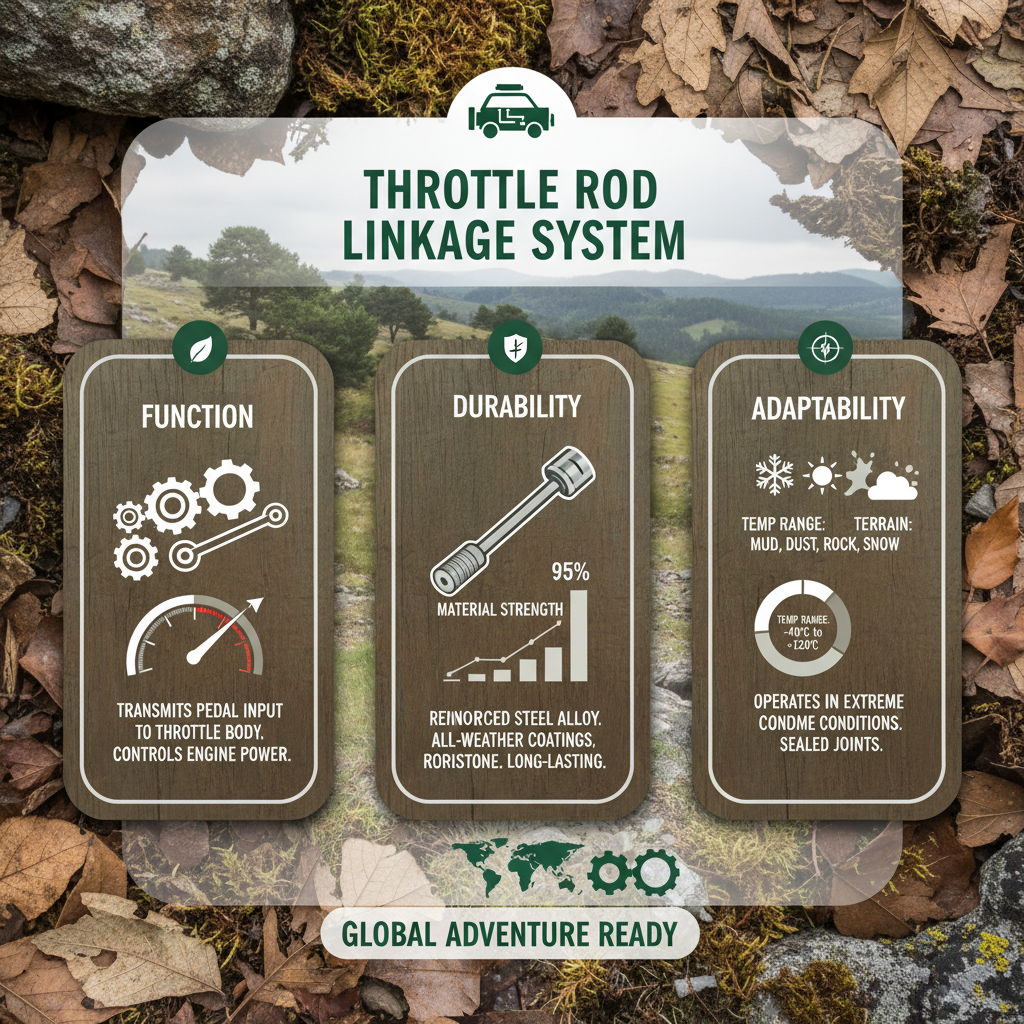
Maintenance Tips for Extending Throttle Rod Linkage Lifespan
Regular maintenance can significantly extend the lifespan of your throttle rod linkage. This includes periodic inspection for wear and tear, lubrication of moving parts, and adjustment of cable tension. Cleaning the linkage to remove dirt and debris is also essential. Addressing any signs of corrosion promptly will prevent further damage. Always use the correct type of lubricant and follow the manufacturer’s recommendations for maintenance procedures. HWEI Cable provides detailed maintenance guides for its products to help customers maximize their longevity.
Conclusion: Ensuring Optimal Engine Control
The throttle rod linkage is a vital component of engine control, often overlooked but critical for performance, safety, and fuel efficiency. Choosing high-quality components from a reputable supplier like HWEI Cable, coupled with regular maintenance, ensures reliable operation and extends the lifespan of your engine. Don’t compromise on quality when it comes to this essential system.
Frequently Asked Questions (FAQs)
What is the typical lifespan of a throttle rod linkage?
The lifespan of a throttle rod linkage varies depending on operating conditions, environmental factors, and the quality of the components. Generally, a well-maintained linkage can last between 5 to 10 years. However, in harsh environments with exposure to salt, dust, or extreme temperatures, the lifespan may be shorter. Regular inspection and lubrication are essential to maximizing its durability. Signs of wear, such as play in the connections or cable fraying, indicate it's time for replacement.
How often should I lubricate my throttle rod linkage?
It's generally recommended to lubricate your throttle rod linkage every 6-12 months, or more frequently if you operate in dusty or corrosive environments. Use a lithium-based grease or a specialized cable lubricant designed for automotive applications. Apply the lubricant to all moving parts, including the cable ends, linkage arms, and pivot points. Avoid using excessive amounts of grease, as it can attract dirt and debris.
Can I repair a damaged throttle rod linkage, or should I replace it?
Minor damage, such as a slightly bent linkage arm, may be repairable by a qualified mechanic. However, significant damage, such as a broken cable or severely corroded components, typically requires complete replacement. Attempting to repair severely damaged components can compromise the safety and reliability of the system. It's always best to err on the side of caution and replace the entire linkage if there is any doubt about its integrity.
What are the consequences of a malfunctioning throttle rod linkage?
A malfunctioning throttle rod linkage can lead to several serious consequences. These include erratic engine speed, difficulty controlling the throttle, stalling, and even unintended acceleration. In severe cases, a faulty linkage can create a dangerous driving situation. Therefore, it's crucial to address any issues with the throttle rod linkage promptly and ensure it's functioning correctly to maintain safe and reliable vehicle operation.
-
High Performance Throttle Cable Linkage for Precision MachineryNewsApr.16,2026
-
Ultimate Guide to Choosing a Quality carburetor throttle cableNewsApr.09,2026
-
Comprehensive Guide to the Dual Cable Throttle Assembly for Optimal PerformanceNewsApr.07,2026
-
The Importance of a Quality Throttle Cable Wire for Engine PerformanceNewsApr.04,2026
-
Understanding the Importance of a Manual Throttle Cable for Optimal PerformanceNewsMar.31,2026
-
Understanding the Critical Role of Throttle Rod Linkage in Engine PerformanceNewsMar.28,2026
 Afrikaans
 Albanian
 Amharic
 Arabic
 Armenian
 Azerbaijani
 Basque
 Belarusian
 Bengali
 Bosnian
 Bulgarian
 Catalan
 Cebuano
 Corsican
 Croatian
 Czech
Czech
 Danish
 Dutch
Dutch
 Esperanto
 Estonian
 Finnish
 French
 Frisian
 Galician
 Georgian
 German
 Greek
Greek
 Gujarati
 Haitian Creole
 Hausa
Hausa
 Hawaiian
 Hebrew
 Hindi
Hindi
 Miao
Miao
 Hungarian
 Icelandic
 Igbo
Igbo
 Indonesian
 Irish
Irish
 Italian
 Japanese
 Javanese
 Kannada
 Kazakh
 Khmer
Khmer
 Rwandese
 Korean
 Kurdish
 Kyrgyz
 Lao
Lao
 Latin
Latin
 Latvian
 Lithuanian
 Luxembourgish
 Macedonian
 Malgashi
 Malay
Malay
 Malayalam
 Maltese
 Maori
Maori
 Marathi
 Mongolian
 Myanmar
 Nepali
 Norwegian
 Norwegian
 Occitan
 Pashto
 Persian
 Polish
 Portuguese
 Punjabi
 Romanian
 Russian
 Samoan
 Scottish Gaelic
 Serbian
 Sesotho
 Shona
Shona
 Sindhi
 Sinhala
 Slovak
 Slovenian
 Somali
 Spanish
 Sundanese
 Swahili
 Swedish
 Tagalog
 Tajik
Tajik
 Tamil
Tamil
 Tatar
Tatar
 Telugu
 Thai
Thai
 Turkish
 Turkmen
 Ukrainian
 Urdu
Urdu
 Uighur
 Uzbek
Uzbek
 Vietnamese
 Welsh
Welsh
 Bantu
Bantu
 Yiddish
 Yoruba
 Zulu
Zulu
 English