
Understanding the Functionality and Maintenance of a Throttle Rod System
Understanding the Functionality of a Throttle Rod
A throttle rod is a critical component in many mechanical systems, particularly those controlling speed and power. It’s essentially a mechanical linkage that transmits force from the throttle control (pedal or lever) to the carburetor or fuel injection system, governing engine output. Proper functioning is vital for safety and efficient operation. Whether in automotive applications, marine engines, or industrial machinery, a reliable throttle rod is indispensable. This article delves into the types, materials, applications, and proper maintenance of throttle rods, providing a comprehensive overview.
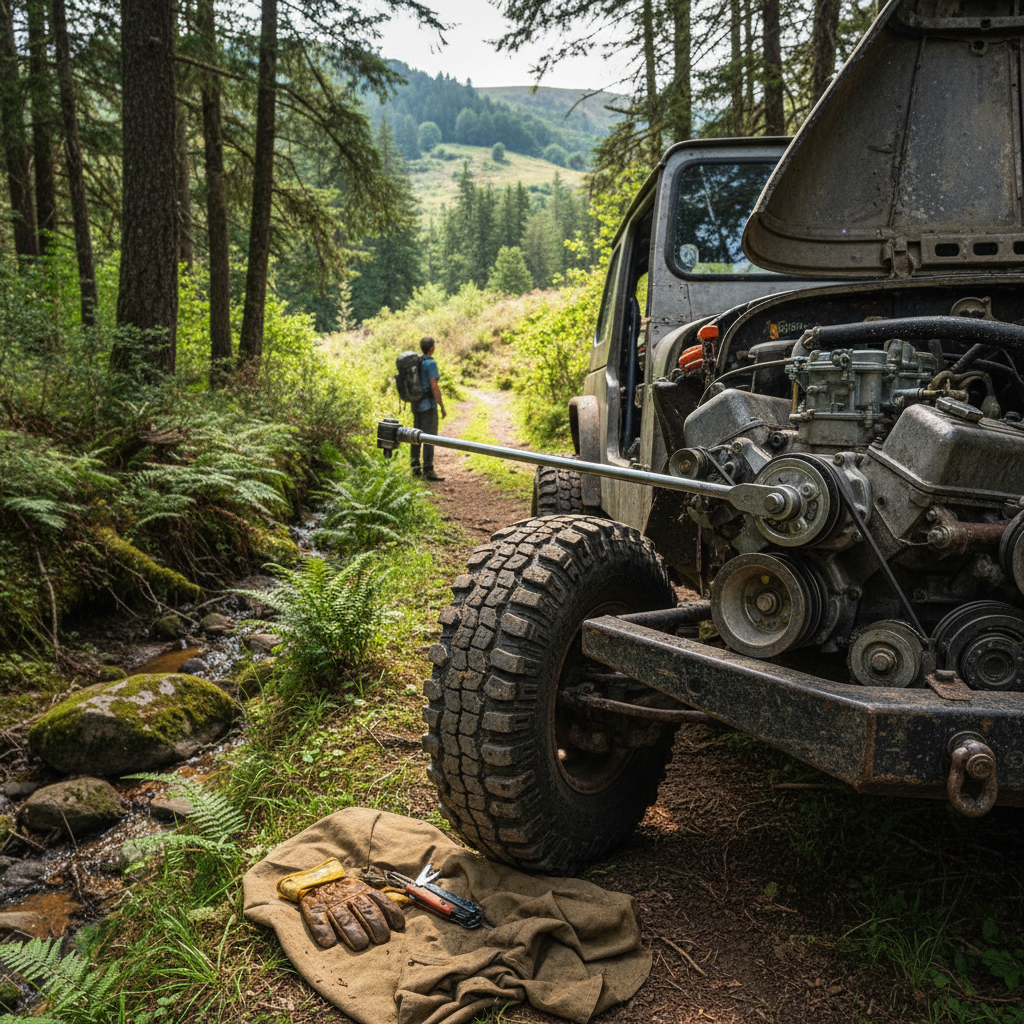
Types of Throttle Rods and Their Applications
Throttle rods come in a variety of designs to suit different applications. The most common types include: direct linkage rods, which provide a one-to-one connection; cable-operated rods, utilizing a cable to transmit motion; and adjustable rods, allowing for precise calibration. Direct linkage rods are often found in older vehicles and simpler engines, while cable-operated rods are prevalent in modern cars and motorcycles due to their flexibility and routing ease. Adjustable rods are used in situations where fine-tuning of the throttle response is crucial, such as performance engines or customized machinery. Understanding these variations is key to selecting the appropriate throttle rod for your specific needs.
Key Takeaway: The choice of throttle rod type impacts installation complexity, precision, and overall system performance. Choosing the correct rod for the application is vital.
Materials Used in Throttle Rod Construction
The materials used to manufacture throttle rods are critical to their durability and performance. Common materials include steel (for strength and rigidity), stainless steel (for corrosion resistance), and aluminum alloys (for lightweight applications). The specific alloy used often depends on the operating environment and the stresses the rod will endure. For example, marine applications frequently employ stainless steel to withstand saltwater corrosion. High-performance engines might use hardened steel for increased strength. The end connections of the rod often feature brass or other soft metals to facilitate smooth articulation and reduce wear.
Material Properties & Considerations:
• Steel: High strength, cost-effective, susceptible to corrosion.
• Stainless Steel: Excellent corrosion resistance, higher cost, slightly lower strength than steel.
• Aluminum Alloys: Lightweight, good corrosion resistance, lower strength.
The Importance of Accurate Throttle Rod Adjustment
Proper adjustment of the throttle rod is paramount for optimal engine performance and safety. Incorrect adjustment can lead to issues like a sticky throttle, incomplete throttle closure (causing idling problems), or excessive throttle travel (potentially leading to over-revving). Adjustment typically involves fine-tuning the length of the rod or the cable tension to ensure smooth and responsive throttle operation. Manufacturers provide specific adjustment procedures for each engine model; following these instructions precisely is crucial. Using specialized tools, like adjustable wrenches and cable tension adjusters, can help achieve accurate results.
Maintenance and Inspection of Your Throttle Rod
Regular maintenance is key to ensuring the longevity and reliable performance of your throttle rod. This includes periodic inspection for wear and tear, lubrication of moving parts, and replacement of damaged components. Pay close attention to the rod ends, as these are prone to wear. Look for signs of bending, cracking, or corrosion. Lubricating the rod with a suitable lubricant (consult your engine manual) reduces friction and prevents binding. Proper maintenance not only enhances safety but also prevents costly repairs down the line.

Where to Find High-Quality Throttle Rods
When sourcing a replacement throttle rod, prioritize quality and compatibility. HWEICable offers a wide selection of throttle rods designed to meet or exceed OEM specifications. We provide durable, reliable components backed by expert support. Choosing a reputable supplier like us ensures you receive a product that delivers optimal performance and safety. Consider the material, construction, and warranty when making your purchase.
Conclusion: Maintaining Control with a Reliable Throttle Rod
A well-maintained and properly adjusted throttle rod is essential for safe and efficient operation of your engine. From understanding the different types and materials to implementing regular maintenance checks, this guide provides the knowledge you need to keep your system running smoothly. For high-quality throttle rods and expert support, visit HWEICable today.
Frequently Asked Questions (FAQs)
What tools are needed to adjust a throttle rod?
Typically, you'll need a set of adjustable wrenches, screwdrivers, and possibly pliers. For cable-operated systems, a cable tension adjuster tool is extremely helpful. Some vehicles may require specialized tools specific to their throttle linkage. Always consult your vehicle's service manual for the recommended tools and procedures. Correct tools ensure precise adjustments and prevent damage to the throttle rod or linkage.
How often should I lubricate my throttle rod?
The frequency of lubrication depends on the operating environment and usage. In dusty or corrosive environments, lubrication should be performed more frequently – perhaps every 3-6 months. Under normal conditions, annual lubrication is usually sufficient. Use a lubricant specifically designed for throttle linkages; avoid using heavy greases that can attract dirt. Always wipe off any excess lubricant to prevent contamination.
What are the signs that my throttle rod needs replacing?
Several signs indicate a need for throttle rod replacement. These include visible bends or cracks, excessive wear at the rod ends, difficulty adjusting the throttle, a sticky or sluggish throttle response, and any noises (clicking or binding) during throttle operation. If you observe any of these issues, it's best to replace the rod to ensure safe and reliable performance. Don’t risk a potential throttle failure - proactive replacement is key.
-
High Performance Throttle Cable Linkage for Precision MachineryNewsApr.16,2026
-
Ultimate Guide to Choosing a Quality carburetor throttle cableNewsApr.09,2026
-
Comprehensive Guide to the Dual Cable Throttle Assembly for Optimal PerformanceNewsApr.07,2026
-
The Importance of a Quality Throttle Cable Wire for Engine PerformanceNewsApr.04,2026
-
Understanding the Importance of a Manual Throttle Cable for Optimal PerformanceNewsMar.31,2026
-
Understanding the Critical Role of Throttle Rod Linkage in Engine PerformanceNewsMar.28,2026
 Afrikaans
 Albanian
 Amharic
 Arabic
 Armenian
 Azerbaijani
 Basque
 Belarusian
 Bengali
 Bosnian
 Bulgarian
 Catalan
 Cebuano
 Corsican
 Croatian
 Czech
Czech
 Danish
 Dutch
Dutch
 Esperanto
 Estonian
 Finnish
 French
 Frisian
 Galician
 Georgian
 German
 Greek
Greek
 Gujarati
 Haitian Creole
 Hausa
Hausa
 Hawaiian
 Hebrew
 Hindi
Hindi
 Miao
Miao
 Hungarian
 Icelandic
 Igbo
Igbo
 Indonesian
 Irish
Irish
 Italian
 Japanese
 Javanese
 Kannada
 Kazakh
 Khmer
Khmer
 Rwandese
 Korean
 Kurdish
 Kyrgyz
 Lao
Lao
 Latin
Latin
 Latvian
 Lithuanian
 Luxembourgish
 Macedonian
 Malgashi
 Malay
Malay
 Malayalam
 Maltese
 Maori
Maori
 Marathi
 Mongolian
 Myanmar
 Nepali
 Norwegian
 Norwegian
 Occitan
 Pashto
 Persian
 Polish
 Portuguese
 Punjabi
 Romanian
 Russian
 Samoan
 Scottish Gaelic
 Serbian
 Sesotho
 Shona
Shona
 Sindhi
 Sinhala
 Slovak
 Slovenian
 Somali
 Spanish
 Sundanese
 Swahili
 Swedish
 Tagalog
 Tajik
Tajik
 Tamil
Tamil
 Tatar
Tatar
 Telugu
 Thai
Thai
 Turkish
 Turkmen
 Ukrainian
 Urdu
Urdu
 Uighur
 Uzbek
Uzbek
 Vietnamese
 Welsh
Welsh
 Bantu
Bantu
 Yiddish
 Yoruba
 Zulu
Zulu
 English