
Understanding and Selecting the Optimal Throttle Control Cable for Your Machinery
Understanding & Selecting the Right Throttle Control Cable
The throttle control cable is a critical component in many types of machinery, from motorcycles and ATVs to industrial equipment and agricultural vehicles. Its function – to reliably translate operator input into engine speed – is fundamental to safe and efficient operation. Choosing the correct throttle control cable is paramount for performance, durability, and safety. This article will explore the types, applications, key considerations, and the quality offered by HWICable in this essential component. A malfunctioning cable can lead to dangerous situations, so understanding its importance is crucial.
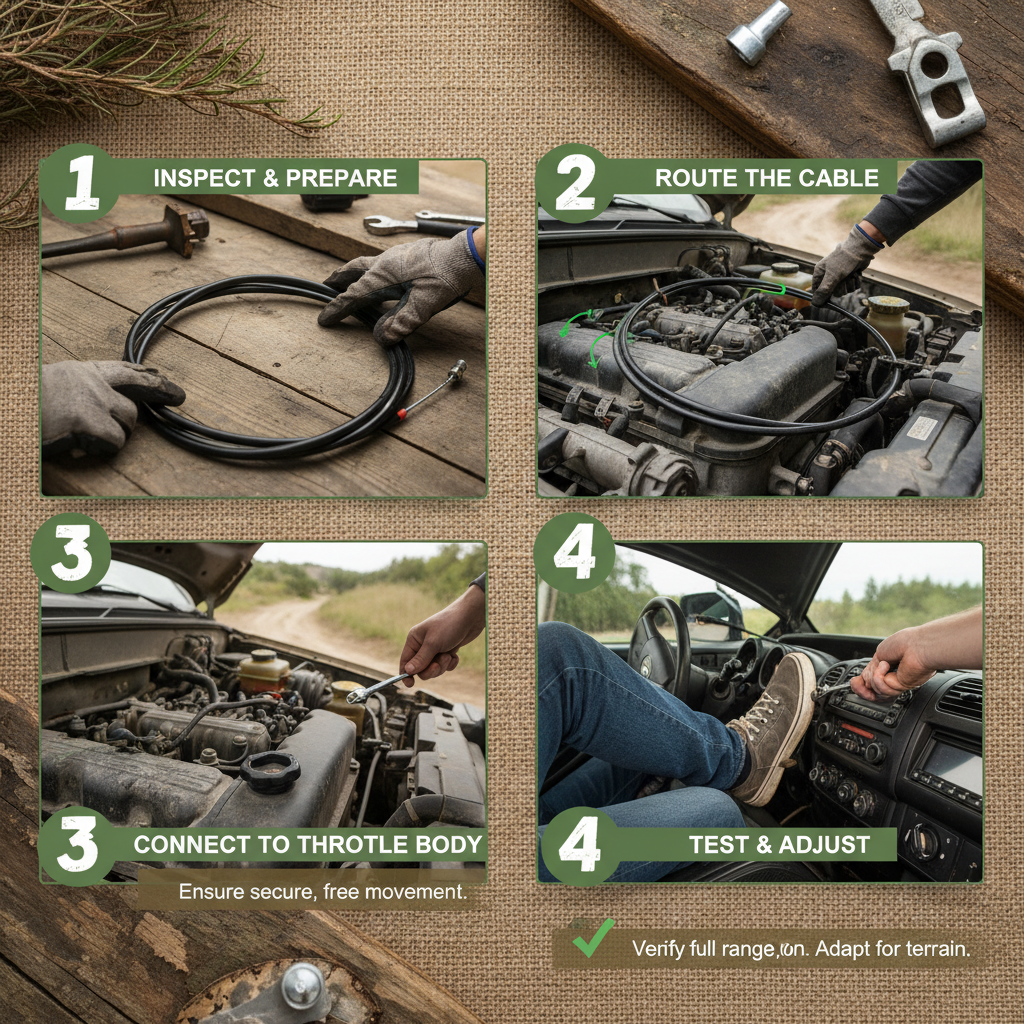
Types of Throttle Control Cables
Throttle control cables aren’t one-size-fits-all. They vary in construction, material, and application. Common types include:
- Traditional Cable with Sheath: This is the most common type, consisting of a steel cable housed within a protective sheath.
- Remote Throttle Cables: Used for applications where the throttle control is located remotely from the engine.
- Multi-Strand Cables: Offer increased flexibility and durability for demanding applications.
- Coated Cables: Have a protective coating (often PVC or PTFE) to resist corrosion and abrasion.
The selection of the correct cable type depends heavily on the application, the amount of travel required, the operating environment, and the desired level of responsiveness.
Key Materials in Throttle Control Cable Manufacturing
The materials used in a throttle control cable directly impact its performance and lifespan. The cable itself is typically made from high-carbon steel for strength and flexibility. The sheath is commonly constructed from stainless steel or PVC-coated steel wire for corrosion resistance and protection. End fittings are often made from brass, steel, or aluminum, chosen for their strength and compatibility with the connecting components. HWICable prioritizes high-quality materials to ensure superior durability and reliability.
Material Considerations: High-carbon steel ensures strength; stainless steel/PVC coating provides corrosion resistance; durable end fittings contribute to overall cable lifespan.
Applications of Throttle Control Cables
The uses for throttle control cables are vast and diverse, including:
- Motorcycles & Scooters: Precisely controlling engine speed for safe operation.
- ATVs & UTVs: Maintaining control in challenging terrains.
- Lawnmowers & Garden Equipment: Regulating engine power for efficient cutting.
- Industrial Machinery: Controlling engine speed in generators, pumps, and compressors.
- Agricultural Equipment: Maintaining precise control over tractors and harvesting machines.
Each application demands specific cable characteristics – length, flexibility, pull force, and environmental resistance – to ensure optimal performance.
HWICable: Quality and Customization in Throttle Control Cables
HWICable specializes in manufacturing high-performance throttle control cables tailored to diverse applications. We offer a comprehensive range of standard cables, as well as custom design and manufacturing services to meet specific requirements. Our cables are known for their durability, smooth operation, and resistance to corrosion and wear. We employ rigorous quality control procedures throughout the manufacturing process, ensuring every cable meets the highest standards.
Factors to Consider When Choosing a Throttle Control Cable
Selecting the right cable requires careful consideration of several factors: Cable Length: Ensure the cable is the correct length for the application. Sheath Material: Choose a sheath material that resists corrosion and abrasion. Pull Force: Select a cable with sufficient pull force for the engine's requirements. Operating Environment: Consider the temperature, humidity, and exposure to chemicals. End Fittings: Ensure the end fittings are compatible with the connecting components. HWICable's team can assist in selecting the optimal cable for your specific application.
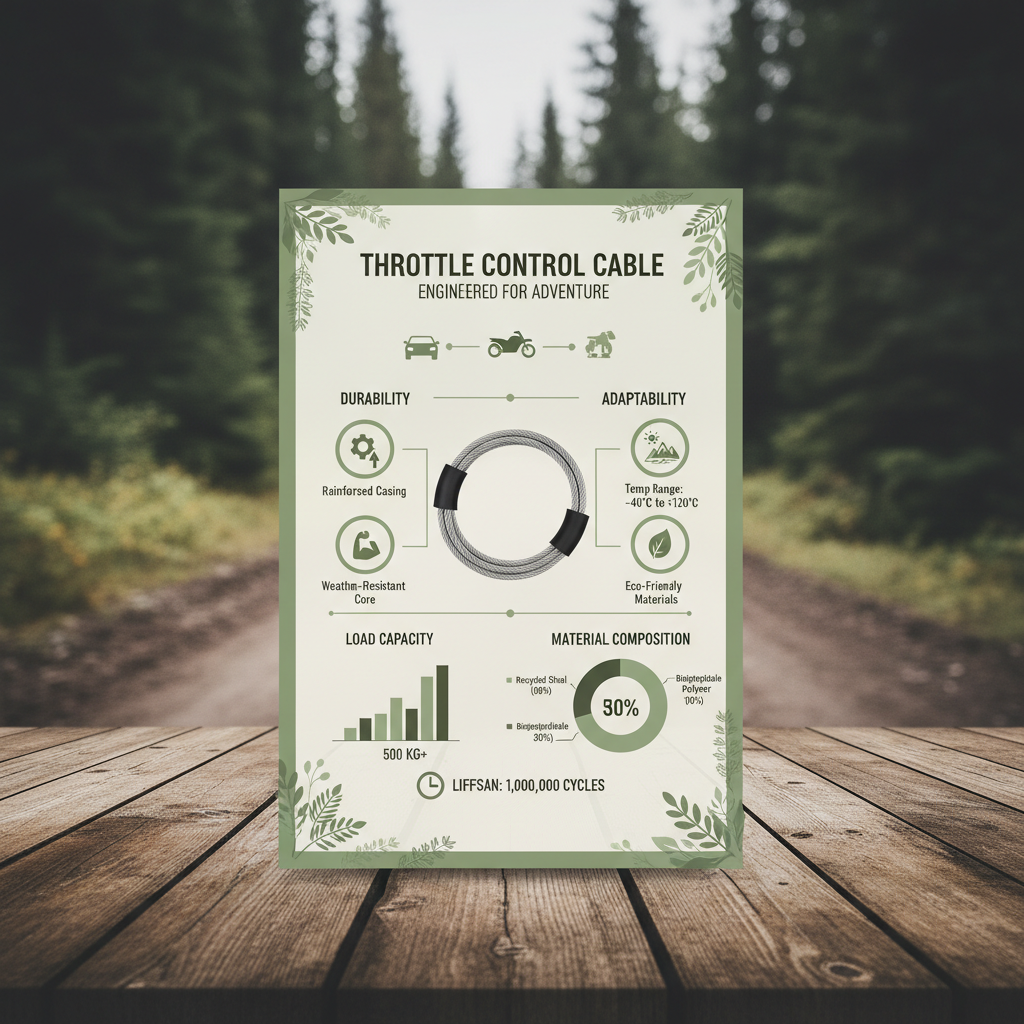
Conclusion: Reliable Control with HWICable
Investing in a high-quality throttle control cable from a reputable manufacturer like HWICable ensures reliable performance, enhanced safety, and extended equipment lifespan. Don't compromise on quality – choose HWICable for your throttle control cable needs.
Frequently Asked Questions (FAQs)
What is the typical lifespan of a throttle control cable?
The lifespan of a throttle control cable varies depending on usage, environmental conditions, and maintenance. However, generally, a well-maintained cable can last between 2-5 years. Factors that can shorten the lifespan include corrosion, abrasion, excessive tension, and improper lubrication. Regular inspection for fraying, kinking, or stiffness is crucial. HWICable cables are designed for extended durability, but routine checks are still recommended for optimal performance and safety. Replacing a cable proactively is always better than dealing with a failure in operation.
How do I properly lubricate a throttle control cable?
Proper lubrication is key to maintaining a smooth and responsive throttle control. Use a cable lubricant specifically designed for this purpose – avoid using WD-40 or similar penetrating oils, as they can attract dirt and debris. Apply the lubricant directly into the cable sheath, working it back and forth to ensure it reaches the entire length. Periodically operate the throttle to distribute the lubricant evenly. The frequency of lubrication depends on usage and environmental conditions – generally, every 6-12 months is recommended. Refer to your equipment's service manual for specific lubrication instructions.
What are the signs that a throttle control cable needs to be replaced?
Several signs indicate a throttle control cable needs replacement. These include: a sticky or sluggish throttle response, difficulty returning to the idle position, fraying or kinking of the cable, visible corrosion, increased throttle play, or unusual noises when operating the throttle. Ignoring these symptoms can lead to a complete cable failure, potentially resulting in loss of control. If you notice any of these signs, it's crucial to replace the cable immediately.
Does HWICable offer custom throttle control cable solutions?
Yes, HWICable specializes in custom throttle control cable solutions. We can tailor cables to your exact specifications, including length, sheath material, end fittings, and pull force. Our engineering team works closely with clients to understand their unique requirements and deliver a cable that meets their precise needs. Contact us to discuss your custom cable project and receive a quote.
-
High Performance Throttle Cable Linkage for Precision MachineryNewsApr.16,2026
-
Ultimate Guide to Choosing a Quality carburetor throttle cableNewsApr.09,2026
-
Comprehensive Guide to the Dual Cable Throttle Assembly for Optimal PerformanceNewsApr.07,2026
-
The Importance of a Quality Throttle Cable Wire for Engine PerformanceNewsApr.04,2026
-
Understanding the Importance of a Manual Throttle Cable for Optimal PerformanceNewsMar.31,2026
-
Understanding the Critical Role of Throttle Rod Linkage in Engine PerformanceNewsMar.28,2026
 Afrikaans
 Albanian
 Amharic
 Arabic
 Armenian
 Azerbaijani
 Basque
 Belarusian
 Bengali
 Bosnian
 Bulgarian
 Catalan
 Cebuano
 Corsican
 Croatian
 Czech
Czech
 Danish
 Dutch
Dutch
 Esperanto
 Estonian
 Finnish
 French
 Frisian
 Galician
 Georgian
 German
 Greek
Greek
 Gujarati
 Haitian Creole
 Hausa
Hausa
 Hawaiian
 Hebrew
 Hindi
Hindi
 Miao
Miao
 Hungarian
 Icelandic
 Igbo
Igbo
 Indonesian
 Irish
Irish
 Italian
 Japanese
 Javanese
 Kannada
 Kazakh
 Khmer
Khmer
 Rwandese
 Korean
 Kurdish
 Kyrgyz
 Lao
Lao
 Latin
Latin
 Latvian
 Lithuanian
 Luxembourgish
 Macedonian
 Malgashi
 Malay
Malay
 Malayalam
 Maltese
 Maori
Maori
 Marathi
 Mongolian
 Myanmar
 Nepali
 Norwegian
 Norwegian
 Occitan
 Pashto
 Persian
 Polish
 Portuguese
 Punjabi
 Romanian
 Russian
 Samoan
 Scottish Gaelic
 Serbian
 Sesotho
 Shona
Shona
 Sindhi
 Sinhala
 Slovak
 Slovenian
 Somali
 Spanish
 Sundanese
 Swahili
 Swedish
 Tagalog
 Tajik
Tajik
 Tamil
Tamil
 Tatar
Tatar
 Telugu
 Thai
Thai
 Turkish
 Turkmen
 Ukrainian
 Urdu
Urdu
 Uighur
 Uzbek
Uzbek
 Vietnamese
 Welsh
Welsh
 Bantu
Bantu
 Yiddish
 Yoruba
 Zulu
Zulu
 English