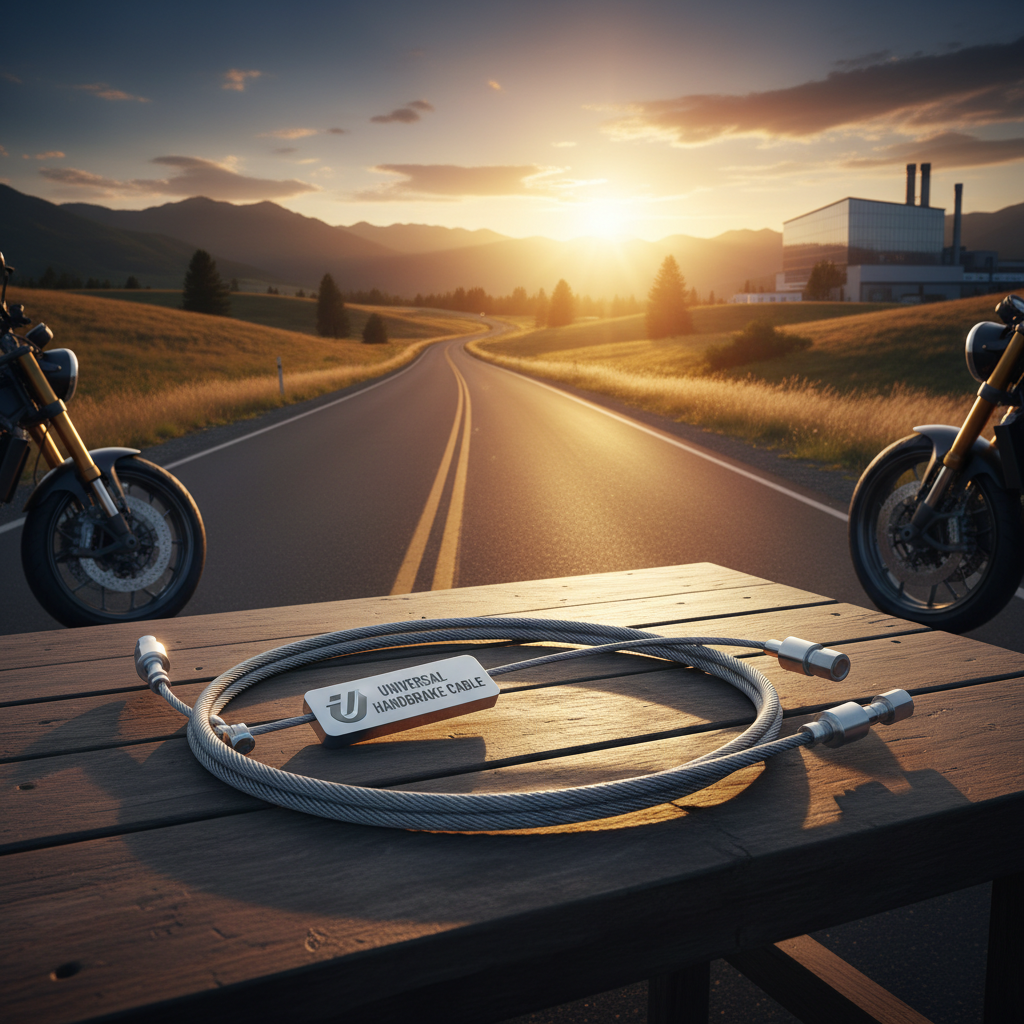
You know, after running around construction sites all year, dealing with dust and blueprints, you start to see some patterns. These days, everyone’s talking about miniaturization, right? Smaller, lighter, more efficient. It’s all well and good in the boardroom, but have you tried tightening a tiny screw on a windy rooftop? It's a nightmare. Seriously. And everyone's pushing for wireless everything... which is great until the battery dies mid-operation. To be honest, a lot of these “innovations” feel like solving problems that didn’t really exist.
One thing I’ve noticed is how easily people get hung up on fancy materials. Carbon fiber this, titanium that... sounds impressive, sure, but does it actually hold up to a drop from three stories onto concrete? Probably not. We need robustness, we need reliability, and sometimes, good old steel just gets the job done better. And cheaper. Forget all the marketing hype.
I spend a lot of time just… feeling the materials. This new batch of polyurethane we’re using for the casings? It's got a slightly sweet smell, almost like vanilla, which is strange. Feels kinda grippy, not slippery like some of the cheaper plastics. You can tell it’s got some give to it, which is good – it’ll absorb some of the impact. But it also picks up dust like crazy. Anyway, I think it will be alright.


So, the buzz right now is all about intelligent systems, integrated sensors, and… the Internet of Things. Honestly, it feels like slapping a computer onto everything just for the sake of it. I encountered this at a factory in Ningbo last time. They were boasting about their “smart” cable – could supposedly track its own wear and tear. Sounded great on paper. Then I asked the foreman what happens when the sensor fails. Blank stares. And the cost? Double.
The biggest trap, in my experience, is over-engineering. People forget that these things need to be used in the real world, often by people who aren’t engineers. Simplicity, durability, and ease of maintenance are king. You can have all the bells and whistles in the world, but if it breaks down after a week, it’s worthless.
That depends heavily on maintenance and the specific environment. But generally, with regular lubrication and inspections, you're looking at anywhere from 2 to 5 years, even in pretty brutal conditions. We've seen some last longer, but it's not something you can guarantee. It’s really a question of how well it's looked after, honestly.
Generally, yes, they are. We offer a wide range of connectors and end fittings to ensure compatibility with most common systems. However, it’s crucial to double-check the specifications to make sure everything lines up. We've had a few cases where customers tried to force a connection, and… well, let’s just say it didn’t end well.
We hold ISO 9001 certification for our quality management system, and our cables are tested to meet relevant industry standards. We can provide documentation upon request. But realistically, a certification only tells you so much. The real test is how it performs in the field.
Regular lubrication is key. Use a good quality corrosion inhibitor. Also, avoid exposing the cable to saltwater or harsh chemicals whenever possible. If it does get exposed, rinse it thoroughly with fresh water and re-lubricate it. A little preventative maintenance goes a long way.
Absolutely. We specialize in custom solutions. Just let us know your specific requirements, and we’ll do our best to accommodate them. We can adjust the length, connector type, sheathing material… pretty much anything. It might take a little longer, but it’s worth it to get the perfect fit.
Store them in a dry, well-ventilated area, away from direct sunlight and extreme temperatures. Ideally, hang them up rather than leaving them coiled tightly, as this can cause kinking. A little care during storage will extend their lifespan.
So, what have we learned? These cables aren't glamorous, but they're essential. It’s about finding the right balance between performance, durability, and cost. It's about choosing the right materials, conducting thorough testing, and understanding how users actually interact with the product. And most importantly, it's about remembering that the real world is a messy place, and your design needs to be able to handle it.
Ultimately, whether this thing works or not, the worker will know the moment he tightens the screw. Visit our website at www.hweicable.com to explore our range of chinese throttle cable solutions and find the perfect fit for your needs.

 Afrikaans
 Albanian
 Amharic
 Arabic
 Armenian
 Azerbaijani
 Basque
 Belarusian
 Bengali
 Bosnian
 Bulgarian
 Catalan
 Cebuano
 Corsican
 Croatian
 Czech
Czech
 Danish
 Dutch
Dutch
 Esperanto
 Estonian
 Finnish
 French
 Frisian
 Galician
 Georgian
 German
 Greek
Greek
 Gujarati
 Haitian Creole
 Hausa
Hausa
 Hawaiian
 Hebrew
 Hindi
Hindi
 Miao
Miao
 Hungarian
 Icelandic
 Igbo
Igbo
 Indonesian
 Irish
Irish
 Italian
 Japanese
 Javanese
 Kannada
 Kazakh
 Khmer
Khmer
 Rwandese
 Korean
 Kurdish
 Kyrgyz
 Lao
Lao
 Latin
Latin
 Latvian
 Lithuanian
 Luxembourgish
 Macedonian
 Malgashi
 Malay
Malay
 Malayalam
 Maltese
 Maori
Maori
 Marathi
 Mongolian
 Myanmar
 Nepali
 Norwegian
 Norwegian
 Occitan
 Pashto
 Persian
 Polish
 Portuguese
 Punjabi
 Romanian
 Russian
 Samoan
 Scottish Gaelic
 Serbian
 Sesotho
 Shona
Shona
 Sindhi
 Sinhala
 Slovak
 Slovenian
 Somali
 Spanish
 Sundanese
 Swahili
 Swedish
 Tagalog
 Tajik
Tajik
 Tamil
Tamil
 Tatar
Tatar
 Telugu
 Thai
Thai
 Turkish
 Turkmen
 Ukrainian
 Urdu
Urdu
 Uighur
 Uzbek
Uzbek
 Vietnamese
 Welsh
Welsh
 Bantu
Bantu
 Yiddish
 Yoruba
 Zulu
Zulu
 English