
Comprehensive Guide to Universal Choke Cables for Optimal Engine Performance
Understanding the Universal Choke Cable: A Comprehensive Guide
The universal choke cable is a critical component in a variety of applications, from small engine machinery to marine systems. Its function – controlling airflow to regulate engine speed – makes it indispensable for optimal performance and safety. This article will delve into the intricacies of universal choke cables, covering their applications, types, benefits, and considerations when selecting the right cable for your needs. We'll also explore how HWEI Cable provides high-quality solutions for diverse industries.
What is a Universal Choke Cable?
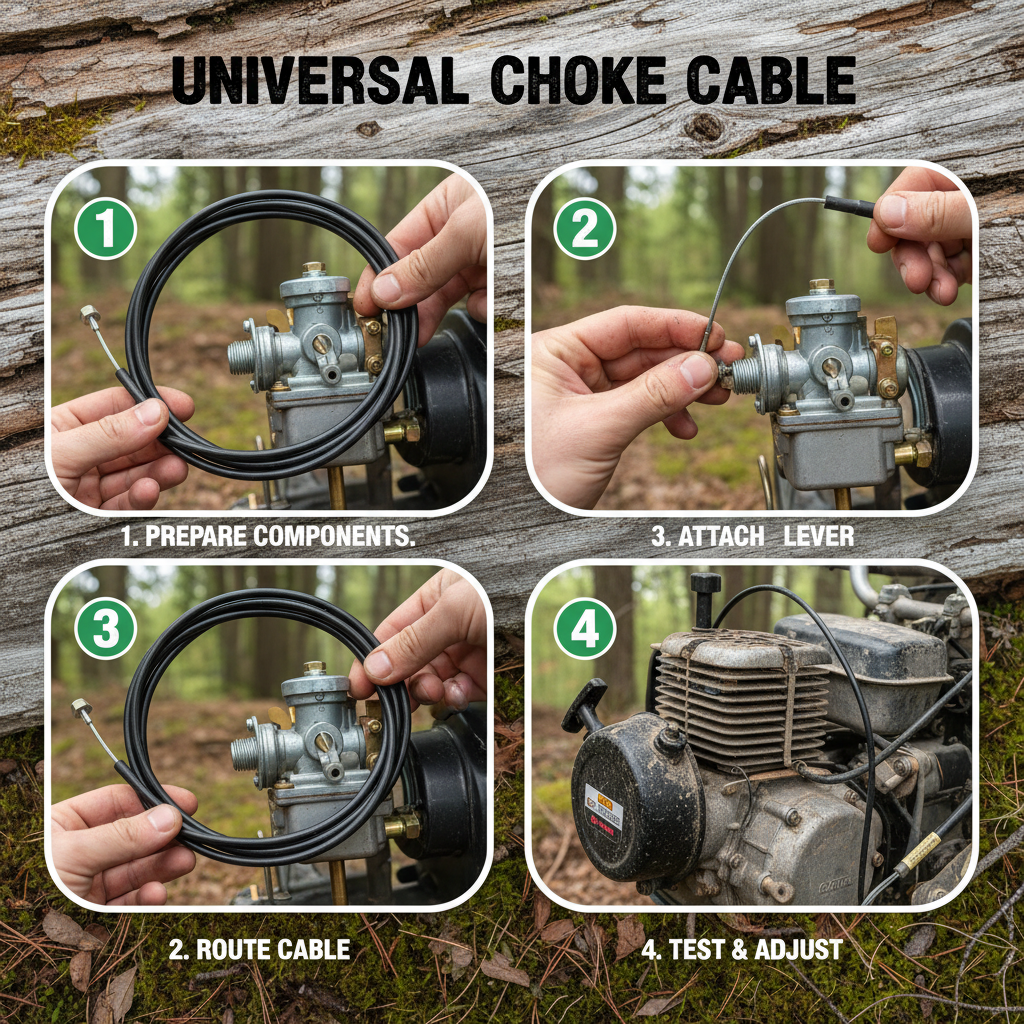
A choke cable is a flexible control cable used to operate the choke mechanism in an engine. The choke restricts airflow into the carburetor (or intake manifold in fuel-injected engines), creating a richer fuel mixture necessary for starting a cold engine. A universal choke cable is designed to be adaptable to a wide range of engines and equipment, offering a convenient solution for replacements or custom installations. These cables typically consist of a durable outer sheath, a flexible inner wire, and appropriate end fittings for connection to the choke lever and the carburetor/throttle body. Proper operation of the choke cable is vital for smooth starting and preventing engine stalling, especially in colder temperatures.
Key Applications of Universal Choke Cables
Universal choke cables find applications in a remarkably broad spectrum of industries and equipment. Some prominent examples include:
- Small Engines: Lawnmowers, snowblowers, generators, and other outdoor power equipment.
- Marine Applications: Outboard motors and small inboard engines, crucial for reliable starting in diverse marine conditions.
- Motorcycles & ATVs: Carbureted motorcycles and ATVs utilize choke cables for cold-weather starts.
- Agricultural Equipment: Tractors and other farm machinery often rely on choke cables for efficient operation.
- Classic Cars & Restorations: Replacements for original choke cables in vintage vehicles.
Choosing the Right Universal Choke Cable
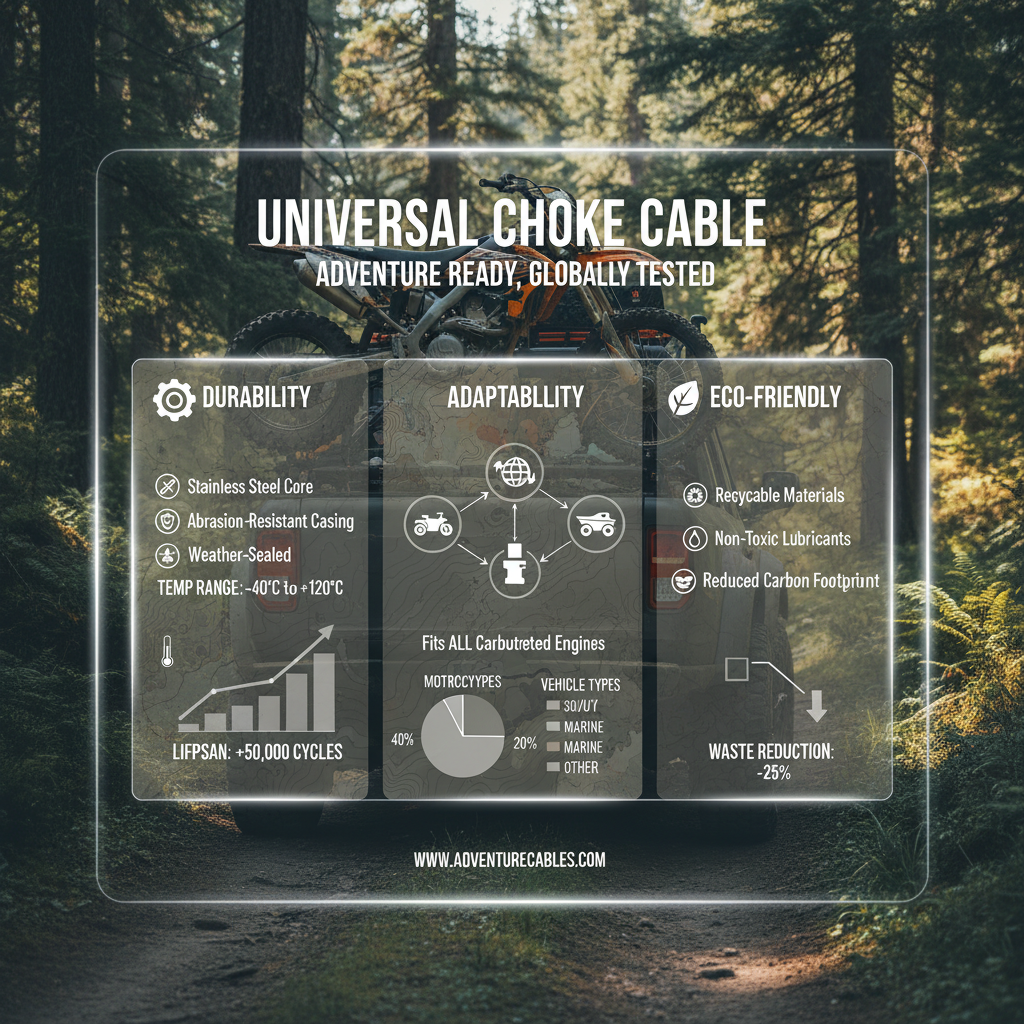
Selecting the correct universal choke cable involves considering several factors. The cable length is paramount, ensuring sufficient reach between the control lever and the choke mechanism. End fitting types must match the connections on your engine. Cable diameter and material also contribute to durability and responsiveness. High-quality cables utilize corrosion-resistant materials for extended lifespan, particularly in marine environments. Furthermore, consider the expected operating temperature range to ensure the cable's performance isn't compromised in extreme conditions. HWEI Cable offers a variety of options to meet these diverse needs.
Key Considerations: Cable length, end fitting type, cable diameter, material composition, and operating temperature range are all critical factors when choosing the appropriate universal choke cable.
Universal Choke Cable Materials & Construction
The materials and construction of a choke cable directly impact its durability and performance. The outer sheath is commonly made from PVC or polyethylene, offering flexibility and protection against abrasion. The inner wire is typically constructed from steel, providing the necessary strength to operate the choke mechanism. High-performance cables may utilize stainless steel for increased corrosion resistance. End fittings are often made from brass or zinc alloy, chosen for their strength and resistance to environmental factors. At HWEI Cable, we prioritize using premium materials and rigorous quality control to ensure our cables exceed industry standards.
Why Choose HWEI Cable for Your Choke Cable Needs?
At HWEI Cable, we specialize in providing high-quality, reliable control cables, including a comprehensive selection of universal choke cables. We offer custom cable solutions to meet specific requirements, ensuring a perfect fit for your application. Our cables are manufactured using premium materials and undergo rigorous testing to guarantee performance and longevity. We are committed to providing exceptional customer service and competitive pricing. Partner with us for a dependable choke cable solution that delivers optimal results.
Conclusion
Selecting the right universal choke cable is crucial for optimal engine performance and reliability. By considering factors such as cable length, material, and construction, you can ensure a long-lasting and effective solution. HWEI Cable offers a wide range of high-quality choke cables to meet diverse needs, backed by exceptional customer service and expertise.
Frequently Asked Questions (FAQs)
What is the typical lifespan of a universal choke cable?
The lifespan of a choke cable varies depending on usage conditions and environmental factors. Generally, a well-maintained choke cable can last for several years. However, exposure to harsh chemicals, extreme temperatures, or excessive wear and tear can shorten its lifespan. Regular inspection for fraying, kinks, or corrosion is crucial. Replacing the cable at the first sign of damage ensures optimal performance and prevents potential engine issues. At HWEI Cable, we offer durable cables designed for extended life.
Can a universal choke cable be adjusted?
Yes, many universal choke cables feature adjustable end fittings or barrel adjusters, allowing you to fine-tune the choke operation. These adjustments ensure the choke engages and disengages smoothly and effectively. Proper adjustment is essential for optimal starting and preventing engine flooding. Refer to your engine's service manual for specific adjustment instructions. If you're unsure, consult a qualified mechanic.
What should I look for when inspecting a choke cable?
When inspecting a choke cable, check for any signs of damage, such as fraying of the inner wire, cracking or damage to the outer sheath, and corrosion of the end fittings. Ensure the cable moves smoothly and freely without any binding or resistance. If the cable is stiff or difficult to operate, it may need to be replaced. Also, check that the end fittings are securely attached to the choke lever and carburetor. HWEI Cable recommends regular inspections to maintain optimal performance and safety.
-
High Performance Throttle Cable Linkage for Precision MachineryNewsApr.16,2026
-
Ultimate Guide to Choosing a Quality carburetor throttle cableNewsApr.09,2026
-
Comprehensive Guide to the Dual Cable Throttle Assembly for Optimal PerformanceNewsApr.07,2026
-
The Importance of a Quality Throttle Cable Wire for Engine PerformanceNewsApr.04,2026
-
Understanding the Importance of a Manual Throttle Cable for Optimal PerformanceNewsMar.31,2026
-
Understanding the Critical Role of Throttle Rod Linkage in Engine PerformanceNewsMar.28,2026
 Afrikaans
 Albanian
 Amharic
 Arabic
 Armenian
 Azerbaijani
 Basque
 Belarusian
 Bengali
 Bosnian
 Bulgarian
 Catalan
 Cebuano
 Corsican
 Croatian
 Czech
Czech
 Danish
 Dutch
Dutch
 Esperanto
 Estonian
 Finnish
 French
 Frisian
 Galician
 Georgian
 German
 Greek
Greek
 Gujarati
 Haitian Creole
 Hausa
Hausa
 Hawaiian
 Hebrew
 Hindi
Hindi
 Miao
Miao
 Hungarian
 Icelandic
 Igbo
Igbo
 Indonesian
 Irish
Irish
 Italian
 Japanese
 Javanese
 Kannada
 Kazakh
 Khmer
Khmer
 Rwandese
 Korean
 Kurdish
 Kyrgyz
 Lao
Lao
 Latin
Latin
 Latvian
 Lithuanian
 Luxembourgish
 Macedonian
 Malgashi
 Malay
Malay
 Malayalam
 Maltese
 Maori
Maori
 Marathi
 Mongolian
 Myanmar
 Nepali
 Norwegian
 Norwegian
 Occitan
 Pashto
 Persian
 Polish
 Portuguese
 Punjabi
 Romanian
 Russian
 Samoan
 Scottish Gaelic
 Serbian
 Sesotho
 Shona
Shona
 Sindhi
 Sinhala
 Slovak
 Slovenian
 Somali
 Spanish
 Sundanese
 Swahili
 Swedish
 Tagalog
 Tajik
Tajik
 Tamil
Tamil
 Tatar
Tatar
 Telugu
 Thai
Thai
 Turkish
 Turkmen
 Ukrainian
 Urdu
Urdu
 Uighur
 Uzbek
Uzbek
 Vietnamese
 Welsh
Welsh
 Bantu
Bantu
 Yiddish
 Yoruba
 Zulu
Zulu
 English