
Comprehensive Guide to Choosing the Right Choke Cable for Lawn Mower Maintenance
Choosing the Right Choke Cable for Lawn Mower: A Comprehensive Guide
Maintaining your lawn mower is crucial for a beautiful and healthy lawn. A key component often overlooked, yet vital for smooth operation, is the choke cable for lawn mower. This article provides an in-depth look at these cables, their importance, how to choose the right one, and where to find high-quality replacements. We’ll cover everything from understanding cable specifications to recognizing signs of wear and tear. Ensuring you have a functional choke cable saves time, frustration, and potential damage to your mower.
Understanding the Function of a Choke Cable
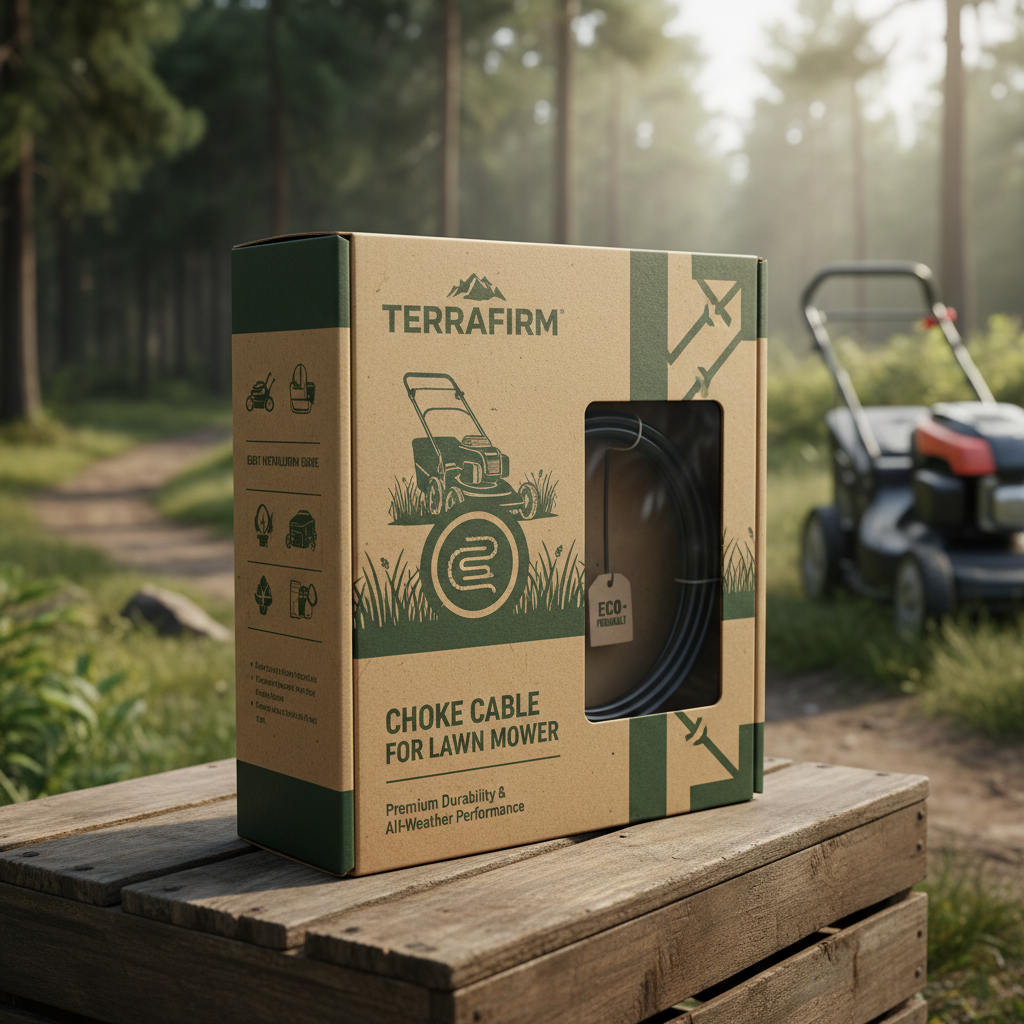
The choke cable controls the choke mechanism in your lawn mower's engine. The choke restricts airflow into the carburetor, creating a richer fuel mixture. This is essential for starting a cold engine. When the engine is cold, fuel doesn’t vaporize easily. A richer mixture allows the engine to ignite and run until it warms up. Once the engine is running smoothly, the choke needs to be disengaged to allow for optimal airflow. A properly functioning choke cable is therefore critical for reliable starting.
Recognizing When Your Choke Cable Needs Replacing
Several signs indicate a failing choke cable. These include difficulty starting the lawn mower, particularly when the engine is cold. If the choke lever feels loose or doesn’t move smoothly, the cable may be frayed or damaged. Another indicator is if the engine starts, but then stalls immediately after releasing the choke. A broken cable will often prevent the choke from engaging or disengaging properly. Ignoring these signs can lead to further engine problems, so addressing a faulty choke cable promptly is best.
Common Symptoms of a Bad Choke Cable: Difficulty starting, a loose choke lever, engine stalling, and inability to engage/disengage the choke.
Choosing the Right Choke Cable: Key Considerations
Selecting the correct choke cable for your lawn mower requires careful consideration. The most important factor is compatibility with your mower’s make and model. Ensure the cable's length and connector type match your existing cable. Material quality is also vital; cables made from durable materials like stainless steel will last longer and resist corrosion. Finally, consider the cable's overall construction and ensure it's well-protected with a robust outer sheath. HWEICable offers a wide range of cables designed for various lawn mower models.
Why Choose HWEICable for Your Choke Cable Needs?
At HWEICable, we specialize in providing high-quality cables for various applications, including lawn mower choke cables. We offer a comprehensive selection of cables compatible with a wide range of models. Our cables are made from premium materials, ensuring durability and reliability. We also prioritize customer satisfaction and offer competitive pricing. Our experienced team is ready to assist you in finding the perfect choke cable for your lawn mower.
Installation Tips & Safety Precautions
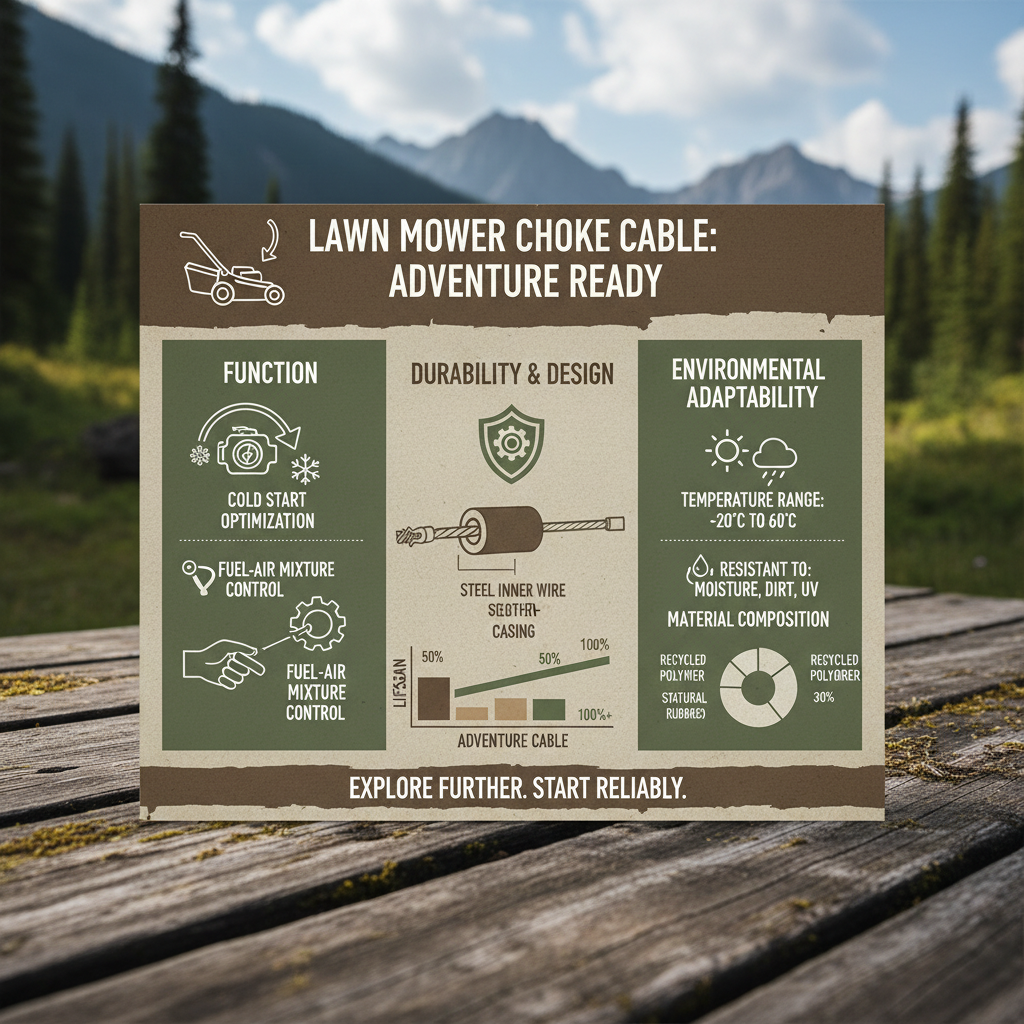
Replacing a choke cable is generally a straightforward process, but safety should always be a priority. Disconnect the spark plug wire before starting any repair work. This prevents accidental starting. Carefully remove the old cable, noting its routing. Install the new choke cable, following the same route. Ensure the cable moves freely and doesn’t bind. Double-check all connections before reconnecting the spark plug wire. If you’re not comfortable performing this repair yourself, it’s best to consult a qualified mechanic.
Conclusion: Keep Your Lawn Mower Running Smoothly
A functioning choke cable is vital for the reliable operation of your lawn mower. By understanding the signs of a failing cable, choosing the right replacement, and following proper installation procedures, you can keep your mower running smoothly for years to come. Don't hesitate to explore the extensive selection of high-quality choke cables at HWEICable for all your lawn mower cable needs.
Frequently Asked Questions (FAQs)
How long does it typically take to replace a choke cable?
Replacing a choke cable usually takes between 30 minutes to an hour, depending on your mechanical skills and the complexity of your lawn mower model. The process involves removing the old cable, installing the new one, and adjusting the choke mechanism. Before starting, ensure you have the correct replacement cable and the necessary tools, such as screwdrivers, pliers, and possibly a wrench. If you're unfamiliar with lawn mower repair, consider seeking assistance from a professional to ensure the job is done correctly and safely.
Can I use a universal choke cable?
While universal choke cables exist, they aren't always the best solution. They may require modifications to fit correctly and might not offer the same level of performance and reliability as a cable specifically designed for your lawn mower model. It's generally recommended to use a cable specifically designed for your mower to ensure proper fit and functionality. HWEICable offers a wide range of model-specific cables to guarantee compatibility.
What tools do I need to replace a choke cable?
The tools required for replacing a choke cable typically include a screwdriver set (Phillips and flathead), pliers, a wrench (depending on the mower model), and potentially a cable cutter if the new cable needs trimming. A spark plug wrench is also essential to disconnect the spark plug wire before starting the repair. Having a work light can also be helpful for better visibility. It is also advisable to wear safety glasses to protect your eyes during the process.
How can I prevent choke cable issues?
Regular maintenance can help prevent choke cable issues. Keep the cable lubricated with a suitable lubricant to ensure smooth operation. Avoid excessive force when operating the choke lever. Store your lawn mower in a dry environment to prevent corrosion. Periodically inspect the cable for signs of wear and tear, such as fraying or corrosion, and replace it if necessary. Following these tips can significantly extend the lifespan of your choke cable.
-
High Performance Throttle Cable Linkage for Precision MachineryNewsApr.16,2026
-
Ultimate Guide to Choosing a Quality carburetor throttle cableNewsApr.09,2026
-
Comprehensive Guide to the Dual Cable Throttle Assembly for Optimal PerformanceNewsApr.07,2026
-
The Importance of a Quality Throttle Cable Wire for Engine PerformanceNewsApr.04,2026
-
Understanding the Importance of a Manual Throttle Cable for Optimal PerformanceNewsMar.31,2026
-
Understanding the Critical Role of Throttle Rod Linkage in Engine PerformanceNewsMar.28,2026
 Afrikaans
 Albanian
 Amharic
 Arabic
 Armenian
 Azerbaijani
 Basque
 Belarusian
 Bengali
 Bosnian
 Bulgarian
 Catalan
 Cebuano
 Corsican
 Croatian
 Czech
Czech
 Danish
 Dutch
Dutch
 Esperanto
 Estonian
 Finnish
 French
 Frisian
 Galician
 Georgian
 German
 Greek
Greek
 Gujarati
 Haitian Creole
 Hausa
Hausa
 Hawaiian
 Hebrew
 Hindi
Hindi
 Miao
Miao
 Hungarian
 Icelandic
 Igbo
Igbo
 Indonesian
 Irish
Irish
 Italian
 Japanese
 Javanese
 Kannada
 Kazakh
 Khmer
Khmer
 Rwandese
 Korean
 Kurdish
 Kyrgyz
 Lao
Lao
 Latin
Latin
 Latvian
 Lithuanian
 Luxembourgish
 Macedonian
 Malgashi
 Malay
Malay
 Malayalam
 Maltese
 Maori
Maori
 Marathi
 Mongolian
 Myanmar
 Nepali
 Norwegian
 Norwegian
 Occitan
 Pashto
 Persian
 Polish
 Portuguese
 Punjabi
 Romanian
 Russian
 Samoan
 Scottish Gaelic
 Serbian
 Sesotho
 Shona
Shona
 Sindhi
 Sinhala
 Slovak
 Slovenian
 Somali
 Spanish
 Sundanese
 Swahili
 Swedish
 Tagalog
 Tajik
Tajik
 Tamil
Tamil
 Tatar
Tatar
 Telugu
 Thai
Thai
 Turkish
 Turkmen
 Ukrainian
 Urdu
Urdu
 Uighur
 Uzbek
Uzbek
 Vietnamese
 Welsh
Welsh
 Bantu
Bantu
 Yiddish
 Yoruba
 Zulu
Zulu
 English