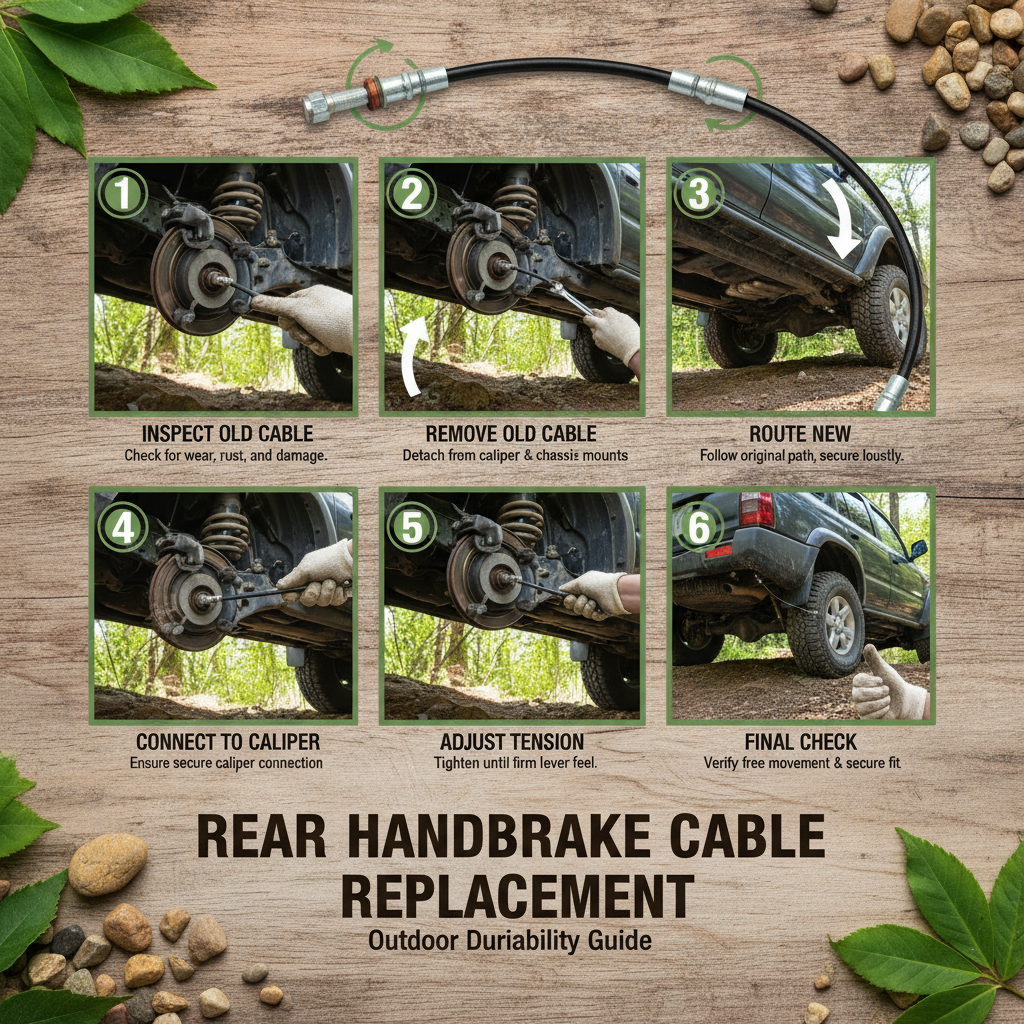
The universal handbrake cable is a critical component in vehicle safety systems, ensuring reliable braking performance across a diverse range of automotive applications. Its adaptability and standardized design make it a versatile solution for manufacturers and aftermarket suppliers alike. Understanding the intricacies of this cable – from material science to installation best practices – is paramount for maintaining vehicle safety and performance, impacting drivers globally.
Globally, the automotive industry relies heavily on standardized components to streamline production and ensure interoperability. The universal handbrake cable exemplifies this need, offering a common solution for engaging parking brakes in various vehicle models. With increasing vehicle production and a growing demand for safety features, the consistent quality and reliable performance of these cables are increasingly important, particularly in emerging markets experiencing rapid automotive growth.
The significance of a properly functioning handbrake, facilitated by the universal handbrake cable, extends beyond convenience. It's a crucial safety feature, especially in emergency situations or when parked on inclines. A failure in this system can have serious consequences, making quality and regular maintenance absolutely essential.
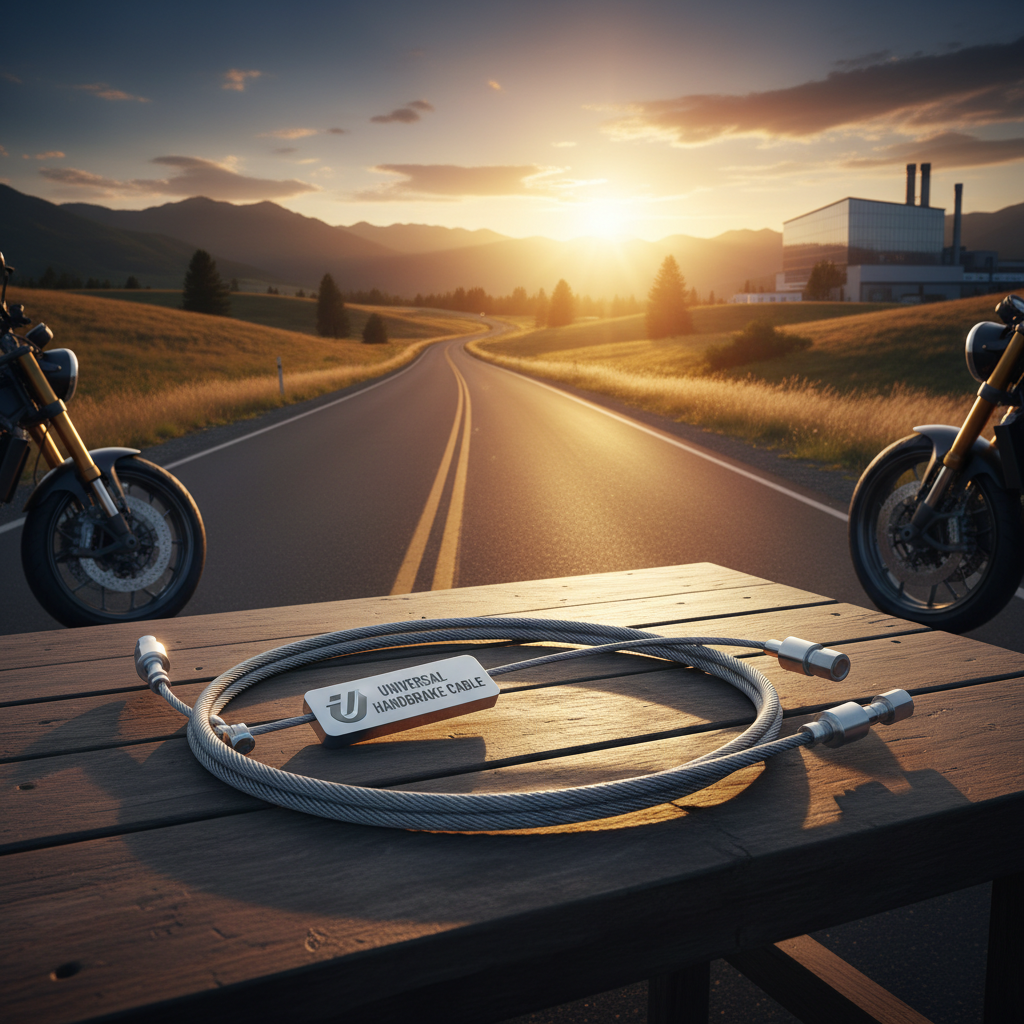

A universal handbrake cable is a mechanical linkage that connects the handbrake lever (or foot-operated parking brake pedal) to the vehicle’s rear brakes. Its primary function is to mechanically apply the brakes to the rear wheels, holding the vehicle stationary when parked. The ‘universal’ aspect indicates a design intended to be adaptable for fitment in various vehicle makes and models, often requiring minimal modification.
The importance of this seemingly simple component lies in its reliability. Unlike electronic parking brakes, a mechanical universal handbrake cable is a purely mechanical system, reducing reliance on electronic sensors or computer controls. This robustness makes it a critical safety feature, especially in situations where electronic systems may fail.
The lifespan of a universal handbrake cable varies depending on driving conditions, climate, and maintenance. However, with regular inspection and lubrication, a well-maintained cable can typically last between 5 to 10 years. Factors like exposure to salt, dirt, and extreme temperatures can shorten its lifespan. Signs of wear include fraying, stiffness, or difficulty in engaging the handbrake.
Several signs indicate a potential need for universal handbrake cable replacement. These include excessive handbrake travel (requiring a long pull to engage), a spongy or soft feel, inability to hold the vehicle on an incline, or visible damage to the cable itself. If you experience any of these issues, it's crucial to have the cable inspected by a qualified mechanic.
While some handbrake systems allow for minor adjustments, attempting to adjust a severely stretched or damaged universal handbrake cable is not recommended. Incorrect adjustment can lead to uneven braking or complete brake failure. It’s best to consult a professional mechanic for proper adjustment or replacement.
Replacing a universal handbrake cable typically requires a set of basic hand tools, including wrenches, sockets, pliers, screwdrivers, and potentially a cable stretching tool. Depending on the vehicle, you might also need a jack and jack stands to safely lift the vehicle. Always refer to your vehicle’s repair manual for specific tool requirements.
While marketed as ‘universal’, universal handbrake cables aren't a one-size-fits-all solution. Compatibility varies depending on the vehicle make, model, and year. It's essential to verify the cable’s length, routing, and end fittings match your specific vehicle before installation. Incorrect fitment can compromise braking performance.
A high-quality universal handbrake cable offers improved durability, reliability, and safety. Premium cables are constructed from stronger materials, feature better corrosion resistance, and undergo more rigorous quality control. Investing in a quality cable ensures long-term performance and minimizes the risk of brake failure, contributing to driver safety and peace of mind.
In conclusion, the universal handbrake cable remains a vital safety component in modern vehicles, providing a reliable and cost-effective solution for parking brake functionality. Understanding its core principles, materials, performance metrics, and future trends is crucial for manufacturers, mechanics, and vehicle owners alike.
Looking ahead, continued innovation in materials science and manufacturing processes will further enhance the performance and longevity of these cables. By prioritizing quality, regular maintenance, and adherence to industry standards, we can ensure the continued safety and reliability of the universal handbrake cable for years to come.

 Afrikaans
 Albanian
 Amharic
 Arabic
 Armenian
 Azerbaijani
 Basque
 Belarusian
 Bengali
 Bosnian
 Bulgarian
 Catalan
 Cebuano
 Corsican
 Croatian
 Czech
Czech
 Danish
 Dutch
Dutch
 Esperanto
 Estonian
 Finnish
 French
 Frisian
 Galician
 Georgian
 German
 Greek
Greek
 Gujarati
 Haitian Creole
 Hausa
Hausa
 Hawaiian
 Hebrew
 Hindi
Hindi
 Miao
Miao
 Hungarian
 Icelandic
 Igbo
Igbo
 Indonesian
 Irish
Irish
 Italian
 Japanese
 Javanese
 Kannada
 Kazakh
 Khmer
Khmer
 Rwandese
 Korean
 Kurdish
 Kyrgyz
 Lao
Lao
 Latin
Latin
 Latvian
 Lithuanian
 Luxembourgish
 Macedonian
 Malgashi
 Malay
Malay
 Malayalam
 Maltese
 Maori
Maori
 Marathi
 Mongolian
 Myanmar
 Nepali
 Norwegian
 Norwegian
 Occitan
 Pashto
 Persian
 Polish
 Portuguese
 Punjabi
 Romanian
 Russian
 Samoan
 Scottish Gaelic
 Serbian
 Sesotho
 Shona
Shona
 Sindhi
 Sinhala
 Slovak
 Slovenian
 Somali
 Spanish
 Sundanese
 Swahili
 Swedish
 Tagalog
 Tajik
Tajik
 Tamil
Tamil
 Tatar
Tatar
 Telugu
 Thai
Thai
 Turkish
 Turkmen
 Ukrainian
 Urdu
Urdu
 Uighur
 Uzbek
Uzbek
 Vietnamese
 Welsh
Welsh
 Bantu
Bantu
 Yiddish
 Yoruba
 Zulu
Zulu
 English