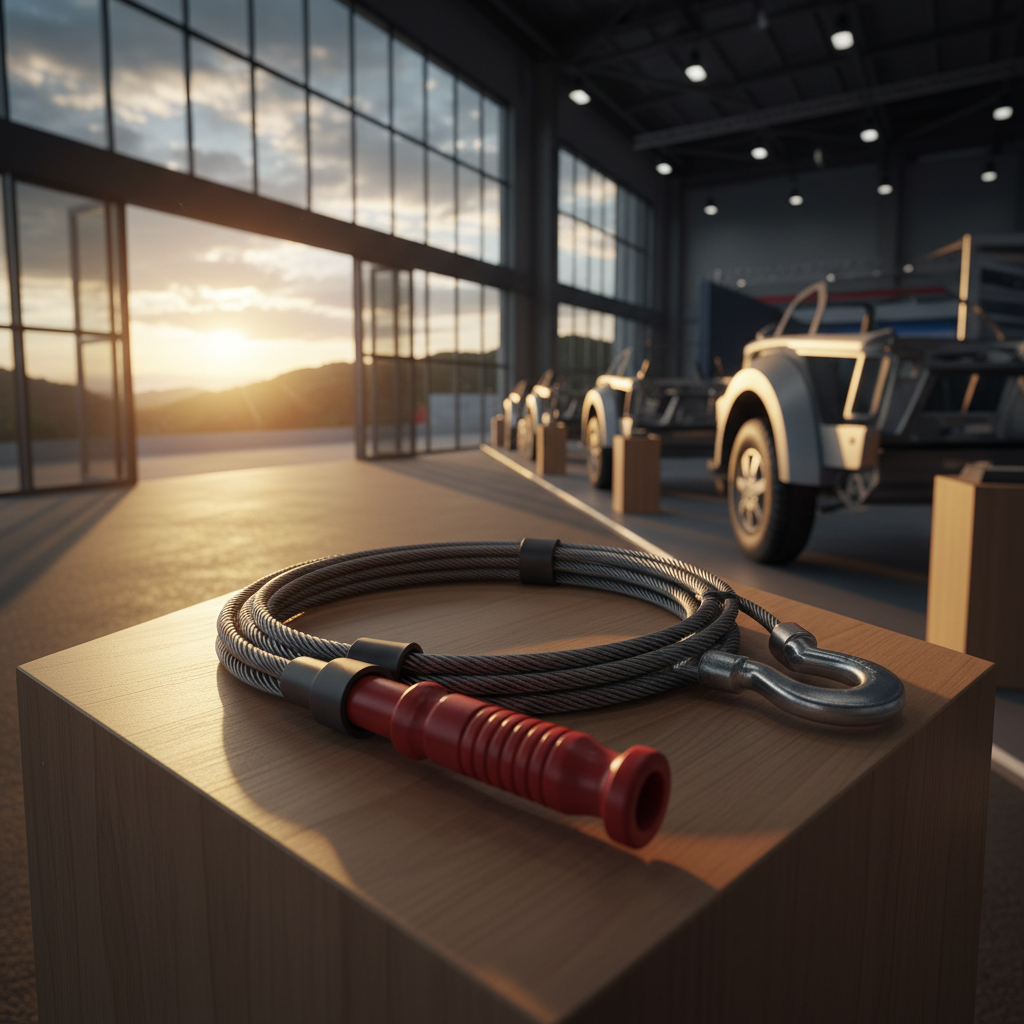
The humble hand brake cable is a critical safety component in vehicles worldwide, often overlooked yet fundamentally important for controlling and securing a vehicle. Its reliable operation is paramount, impacting everything from parking on inclines to emergency stops. Understanding the intricacies of hand brake cable design, materials, and maintenance is essential for automotive engineers, mechanics, and vehicle owners alike. The global automotive industry's continuous pursuit of safety and efficiency fuels ongoing innovation in this area.
Globally, the demand for robust and dependable hand brake cable systems directly correlates with the increasing number of vehicles on the road. According to the World Bank, vehicle ownership continues to rise in developing economies, creating a sustained need for quality automotive parts. ISO standards dictate stringent requirements for braking systems, including the hand brake, emphasizing the importance of adherence to safety regulations. A failure in the hand brake cable can lead to accidents and significant financial losses, highlighting the critical role it plays in overall vehicle safety.
The hand brake cable, also known as a parking brake cable, is a steel cable housed within a protective sheath, connecting the hand brake lever (or pedal) to the vehicle's rear braking system. When the lever is engaged, the cable pulls on the brakes, mechanically applying them to prevent the vehicle from rolling. It's a simple yet vital mechanical system that provides a crucial secondary braking function, often acting as a safeguard when the primary hydraulic brakes fail or require maintenance. This relatively simple component impacts the safety and security of millions of drivers every day.
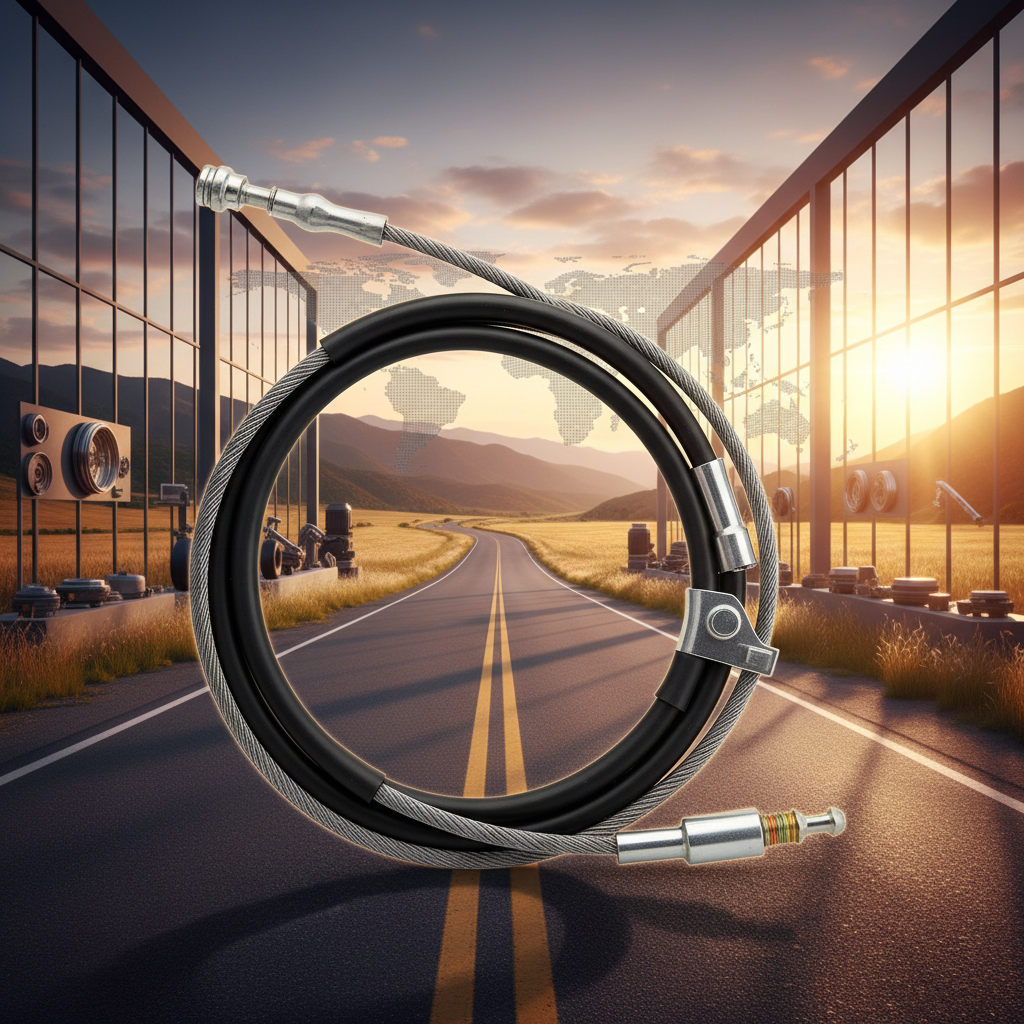

A robust hand brake cable system is often the last line of defense against unwanted vehicle movement, particularly on sloped surfaces. Its primary function – to securely hold a parked vehicle – is deceptively complex, relying on precise mechanical operation and durable materials. Failures can result in property damage, injuries, or even fatalities, making consistent performance crucial.
Beyond its basic function, the hand brake cable contributes to overall vehicle safety by providing a backup braking system in emergencies. In situations where the hydraulic braking system experiences a malfunction, a properly functioning hand brake can help bring the vehicle to a controlled stop. Regular inspection and maintenance of the hand brake cable are therefore critical aspects of vehicle upkeep.
It’s recommended to visually inspect your hand brake cable at least twice a year, or more frequently if you live in an area with harsh weather conditions or frequently drive on rough terrain. Look for signs of fraying, corrosion, or damage to the cable housing. Ensure the cable moves smoothly and engages the brakes properly. If you notice any issues, have it inspected and repaired by a qualified mechanic.
Common signs of a failing hand brake cable include a spongy or slack feeling in the hand brake lever, difficulty engaging the hand brake, a clicking or snapping sound when applying the hand brake, or the vehicle rolling even when the hand brake is fully engaged. These symptoms indicate that the cable may be stretched, broken, or corroded, and require immediate attention.
Replacing a hand brake cable can be a complex task, requiring specialized tools and knowledge of the vehicle's braking system. While it’s possible for experienced DIY mechanics, it’s generally recommended to have it replaced by a qualified professional. Improper installation can compromise the safety and effectiveness of the braking system.
Hand brake cables are typically constructed from high-strength steel strands, encased in a protective housing made of either steel or a durable polymer. The steel strands provide the necessary tensile strength, while the housing protects the cable from corrosion, abrasion, and environmental damage. Some modern cables incorporate synthetic fibers for increased flexibility and reduced weight.
Extreme temperatures can significantly impact hand brake cable performance. In cold weather, the cable can become stiff and brittle, increasing the risk of breakage. In hot weather, the cable can expand, potentially causing it to stretch or bind. Proper lubrication and the use of temperature-resistant materials can help mitigate these effects.
Yes, electronic parking brakes (EPBs) are becoming increasingly common, especially in newer vehicles. EPBs utilize electric motors and sensors to apply the parking brake, eliminating the need for a physical cable. While offering advantages like precise control and integration with other vehicle systems, many EPBs still incorporate a mechanical backup system for added safety.
In conclusion, the hand brake cable remains a critical, albeit often underestimated, component in vehicle safety systems. Its durability, reliability, and simple mechanical operation provide a vital secondary braking function, contributing to the security of drivers and passengers worldwide. Continuous innovation in materials and designs ensures its ongoing relevance even as automotive technology evolves.
Looking ahead, focusing on sustainable materials, predictive maintenance through sensor integration, and ensuring robust backup systems in electric vehicles will be crucial for maximizing the long-term benefits of hand brake cable technology. We encourage you to explore our comprehensive range of high-quality hand brake cable solutions at www.hweicable.com to ensure the safety and reliability of your vehicles.

 Afrikaans
 Albanian
 Amharic
 Arabic
 Armenian
 Azerbaijani
 Basque
 Belarusian
 Bengali
 Bosnian
 Bulgarian
 Catalan
 Cebuano
 Corsican
 Croatian
 Czech
Czech
 Danish
 Dutch
Dutch
 Esperanto
 Estonian
 Finnish
 French
 Frisian
 Galician
 Georgian
 German
 Greek
Greek
 Gujarati
 Haitian Creole
 Hausa
Hausa
 Hawaiian
 Hebrew
 Hindi
Hindi
 Miao
Miao
 Hungarian
 Icelandic
 Igbo
Igbo
 Indonesian
 Irish
Irish
 Italian
 Japanese
 Javanese
 Kannada
 Kazakh
 Khmer
Khmer
 Rwandese
 Korean
 Kurdish
 Kyrgyz
 Lao
Lao
 Latin
Latin
 Latvian
 Lithuanian
 Luxembourgish
 Macedonian
 Malgashi
 Malay
Malay
 Malayalam
 Maltese
 Maori
Maori
 Marathi
 Mongolian
 Myanmar
 Nepali
 Norwegian
 Norwegian
 Occitan
 Pashto
 Persian
 Polish
 Portuguese
 Punjabi
 Romanian
 Russian
 Samoan
 Scottish Gaelic
 Serbian
 Sesotho
 Shona
Shona
 Sindhi
 Sinhala
 Slovak
 Slovenian
 Somali
 Spanish
 Sundanese
 Swahili
 Swedish
 Tagalog
 Tajik
Tajik
 Tamil
Tamil
 Tatar
Tatar
 Telugu
 Thai
Thai
 Turkish
 Turkmen
 Ukrainian
 Urdu
Urdu
 Uighur
 Uzbek
Uzbek
 Vietnamese
 Welsh
Welsh
 Bantu
Bantu
 Yiddish
 Yoruba
 Zulu
Zulu
 English