
Understanding and Selecting the Right Adjustable Throttle Cable for Optimal Performance
Understanding and Selecting the Right Adjustable Throttle Cable
An adjustable throttle cable is a critical component in many engine-powered applications, from motorcycles and ATVs to lawnmowers and marine engines. Ensuring the correct cable selection and proper adjustment is vital for optimal performance and safety. This article delves into the world of adjustable throttle cables, covering their function, types, key considerations for choosing the right one, and best practices for installation and adjustment. We’ll explore how HWEICable provides high-quality, reliable throttle cable solutions.
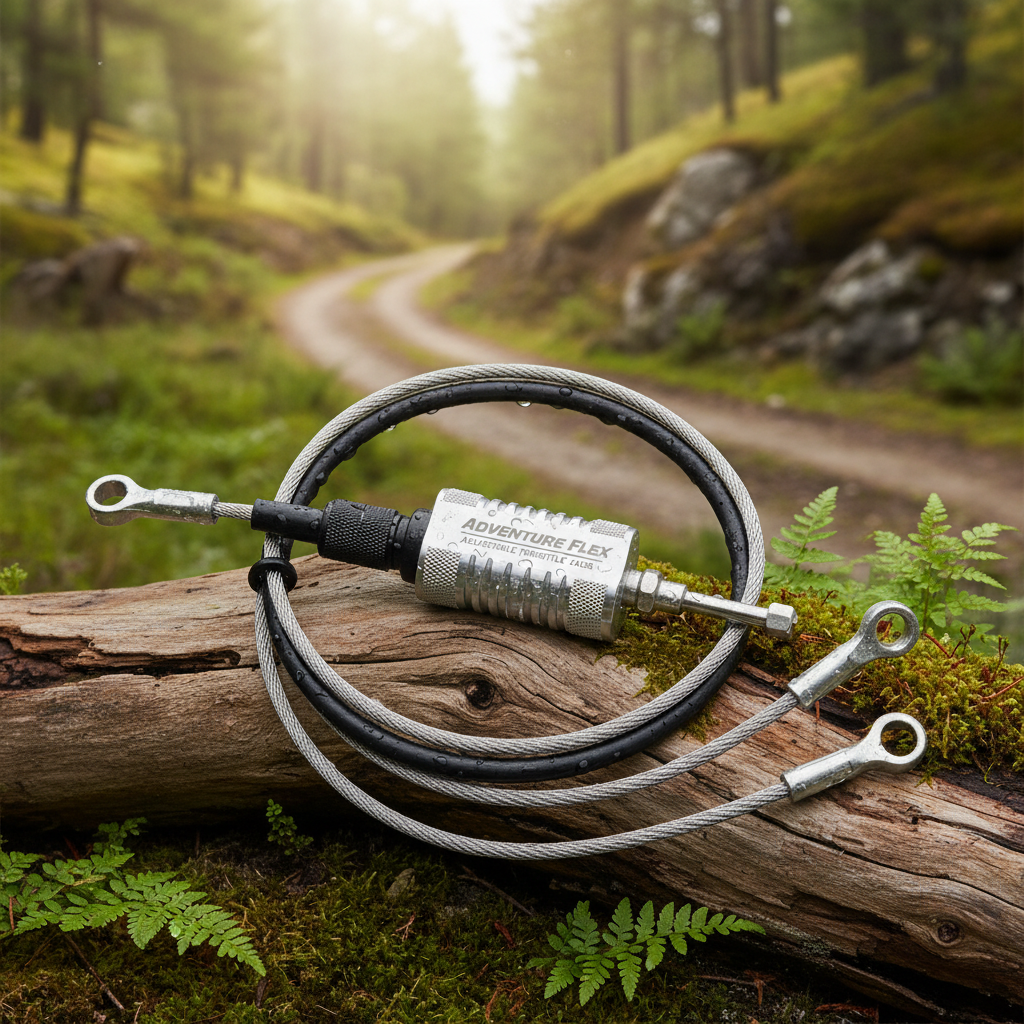
How Does an Adjustable Throttle Cable Work?
The throttle cable’s primary function is to transmit the motion of the throttle lever (controlled by the operator) to the carburetor or throttle body, regulating the amount of fuel and air entering the engine. An adjustable throttle cable allows for fine-tuning of this connection, compensating for cable stretch, housing compression, and manufacturing tolerances. This adjustability ensures precise throttle control, preventing issues like sluggish response, sticking throttles, or unintended acceleration. A well-functioning throttle cable directly impacts engine performance, fuel efficiency, and operator safety.
Key Benefit: Precise throttle control, improved engine performance, and enhanced safety.
Types of Adjustable Throttle Cables
Throttle cables come in various configurations, depending on the application. Common types include:
- Standard Cables: These are the most common type, featuring a braided steel cable within a protective housing.
- Coated Cables: These cables have a plastic coating on the cable itself, reducing friction and enhancing durability.
- Remote Throttle Cables: Used in applications where the throttle lever is located remotely from the engine.
- Universal Cables: Designed to fit a wide range of applications, often requiring some adjustment during installation.
Key Considerations When Selecting an Adjustable Throttle Cable
Selecting the right adjustable throttle cable requires careful consideration of several factors:
- Cable Length: Ensure the cable is long enough to reach from the throttle lever to the carburetor/throttle body without excessive slack or strain.
- Cable Diameter: Thicker cables generally offer greater strength and durability, but may require more effort to operate.
- Housing Material: Choose a housing material that is resistant to corrosion and abrasion, especially in harsh environments.
- End Fittings: Verify that the cable end fittings are compatible with your throttle lever and carburetor/throttle body.
- Adjustment Mechanism: Look for a cable with a smooth, reliable adjustment mechanism for precise control.
HWEICable: Your Trusted Source for Premium Throttle Cables
At HWEICable, we specialize in providing high-quality, durable, and reliable adjustable throttle cables for a wide range of applications. Our cables are manufactured to strict quality standards, ensuring optimal performance and longevity. We offer:
Installation and Adjustment Best Practices
Proper installation and adjustment are crucial for ensuring the optimal performance and safety of your adjustable throttle cable. Here are some key best practices:
- Follow Manufacturer’s Instructions: Always refer to the manufacturer’s instructions for specific installation and adjustment procedures.
- Avoid Sharp Bends: Ensure the cable housing is routed smoothly with no sharp bends, which can cause friction and cable wear.
- Proper Lubrication: Lubricate the cable periodically to reduce friction and ensure smooth operation.
- Check Free Play: Adjust the cable to provide a small amount of free play at the throttle lever, preventing unintended acceleration.
- Regular Inspection: Regularly inspect the cable and housing for signs of wear, damage, or corrosion.
Conclusion: Reliable Throttle Control Starts with Quality Cables
Choosing the right adjustable throttle cable is a critical step in maintaining the performance and safety of your engine-powered equipment. HWEICable is committed to providing high-quality, durable, and reliable throttle cable solutions to meet your specific needs. Browse our selection today and experience the difference!
Frequently Asked Questions (FAQs)
How often should I lubricate my throttle cable?
It's recommended to lubricate your throttle cable every 6-12 months, or more frequently if you operate in harsh conditions (dusty, muddy, or corrosive environments). Use a cable lubricant specifically designed for throttle cables, as other lubricants can attract dirt and grime. Proper lubrication ensures smooth operation, reduces friction, and extends the cable's lifespan. If you notice the throttle feels sticky or sluggish, it's a good indicator that lubrication is needed. HWEICable offers high-quality lubricants compatible with our cables.
What are the signs of a worn-out throttle cable?
Several signs can indicate a worn-out throttle cable. These include: a sticky or sluggish throttle response, excessive free play in the throttle lever, frayed or damaged cable strands, a difficult or impossible adjustment, and difficulty returning the throttle to the idle position. If you experience any of these symptoms, it's important to replace the cable immediately to prevent potential safety hazards. Ignoring these signs can lead to unintended acceleration or loss of throttle control.
Can I repair a damaged throttle cable?
While it might be possible to temporarily repair a minor cable fray with a cable splice, it’s generally not recommended. Repairing a throttle cable compromises its integrity and can create a safety hazard. The repair may fail unexpectedly, leading to loss of throttle control. It’s always best to replace a damaged throttle cable with a new one to ensure reliable and safe operation. HWEICable offers a wide selection of replacement cables readily available for quick delivery.
What should I do if my throttle cable keeps stretching after adjustment?
If your throttle cable continues to stretch after repeated adjustments, it’s likely worn or damaged and needs to be replaced. Continued stretching indicates that the cable strands are losing tension and are no longer providing reliable performance. Using a higher-quality cable, like those offered by HWEICable, can prevent this issue in the future. Ensure the cable is routed correctly, avoiding sharp bends, to minimize stress and prolong its lifespan.
-
High Performance Throttle Cable Linkage for Precision MachineryNewsApr.16,2026
-
Ultimate Guide to Choosing a Quality carburetor throttle cableNewsApr.09,2026
-
Comprehensive Guide to the Dual Cable Throttle Assembly for Optimal PerformanceNewsApr.07,2026
-
The Importance of a Quality Throttle Cable Wire for Engine PerformanceNewsApr.04,2026
-
Understanding the Importance of a Manual Throttle Cable for Optimal PerformanceNewsMar.31,2026
-
Understanding the Critical Role of Throttle Rod Linkage in Engine PerformanceNewsMar.28,2026
 Afrikaans
 Albanian
 Amharic
 Arabic
 Armenian
 Azerbaijani
 Basque
 Belarusian
 Bengali
 Bosnian
 Bulgarian
 Catalan
 Cebuano
 Corsican
 Croatian
 Czech
Czech
 Danish
 Dutch
Dutch
 Esperanto
 Estonian
 Finnish
 French
 Frisian
 Galician
 Georgian
 German
 Greek
Greek
 Gujarati
 Haitian Creole
 Hausa
Hausa
 Hawaiian
 Hebrew
 Hindi
Hindi
 Miao
Miao
 Hungarian
 Icelandic
 Igbo
Igbo
 Indonesian
 Irish
Irish
 Italian
 Japanese
 Javanese
 Kannada
 Kazakh
 Khmer
Khmer
 Rwandese
 Korean
 Kurdish
 Kyrgyz
 Lao
Lao
 Latin
Latin
 Latvian
 Lithuanian
 Luxembourgish
 Macedonian
 Malgashi
 Malay
Malay
 Malayalam
 Maltese
 Maori
Maori
 Marathi
 Mongolian
 Myanmar
 Nepali
 Norwegian
 Norwegian
 Occitan
 Pashto
 Persian
 Polish
 Portuguese
 Punjabi
 Romanian
 Russian
 Samoan
 Scottish Gaelic
 Serbian
 Sesotho
 Shona
Shona
 Sindhi
 Sinhala
 Slovak
 Slovenian
 Somali
 Spanish
 Sundanese
 Swahili
 Swedish
 Tagalog
 Tajik
Tajik
 Tamil
Tamil
 Tatar
Tatar
 Telugu
 Thai
Thai
 Turkish
 Turkmen
 Ukrainian
 Urdu
Urdu
 Uighur
 Uzbek
Uzbek
 Vietnamese
 Welsh
Welsh
 Bantu
Bantu
 Yiddish
 Yoruba
 Zulu
Zulu
 English