
Comprehensive Guide to Throttle Assembly Functionality and Maintenance
Understanding the Functionality of a Throttle Assembly
The throttle assembly is a critical component in numerous applications, from automotive engines to industrial machinery. It controls the power output of an engine by regulating the amount of air entering the intake manifold. A properly functioning throttle assembly is essential for smooth engine operation, optimal performance, and reduced emissions. This article provides a comprehensive overview of throttle assemblies, their components, types, applications, and key considerations for selection and maintenance. Understanding these aspects can significantly enhance operational efficiency and longevity of associated equipment.
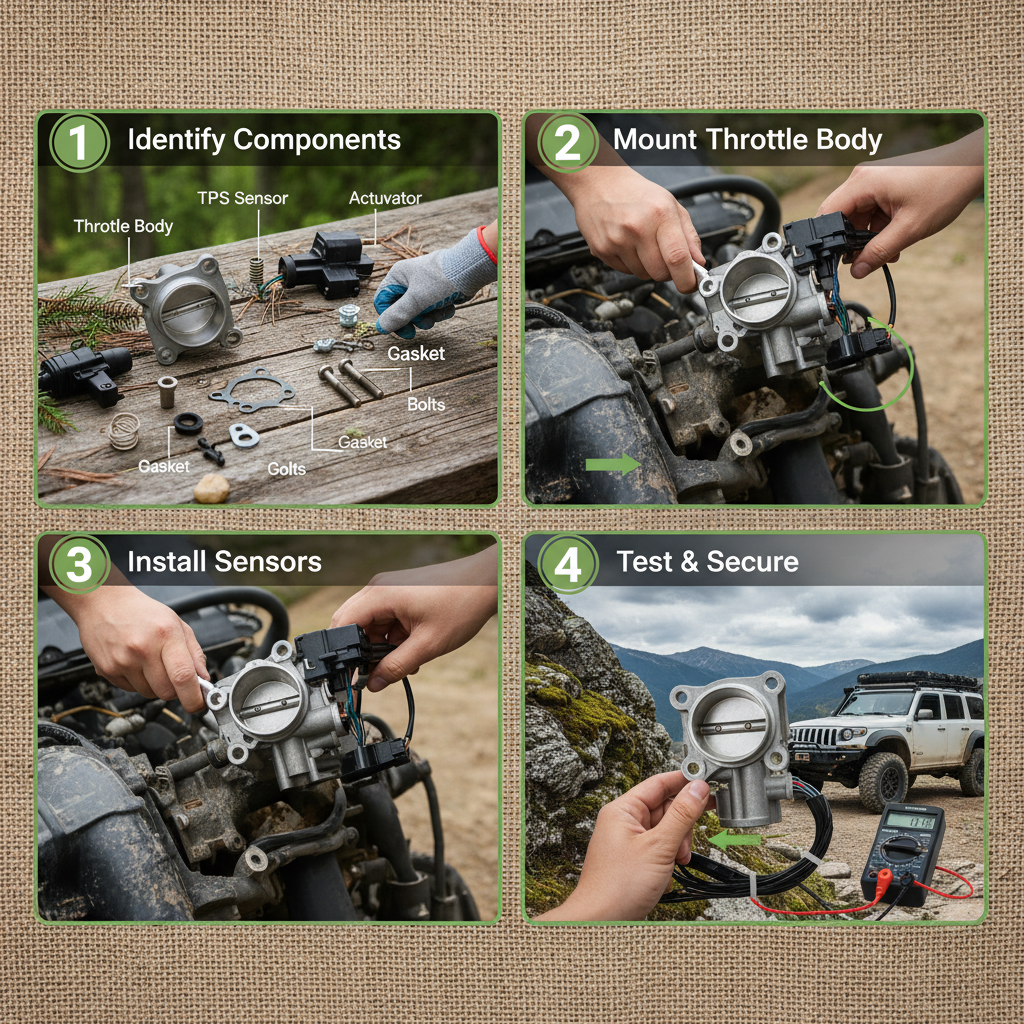
Key Components of a Throttle Assembly
A typical throttle assembly consists of several crucial components working in harmony. The throttle plate, a butterfly valve, controls airflow. The throttle shaft rotates to position the plate, and a throttle return spring ensures the plate returns to the idle position when the accelerator pedal is released. Linkages or cables connect the accelerator pedal to the throttle shaft. Modern assemblies increasingly utilize throttle position sensors (TPS) to provide feedback to the engine control unit (ECU) for precise fuel delivery and ignition timing. Finally, the throttle body housing provides the structural support and mounting points for all these components. Regular inspection of each component is important for preventing issues and ensuring reliability.
Key Highlights: A properly functioning throttle assembly includes a throttle plate, shaft, spring, linkages/cables, and often a throttle position sensor (TPS). Precise control of airflow ensures optimal engine performance.
Types of Throttle Assemblies
Throttle assemblies are categorized based on their control mechanism and application. Mechanical throttle assemblies utilize a direct mechanical linkage between the accelerator pedal and the throttle plate. Electronic throttle control (ETC), also known as drive-by-wire, replaces the mechanical linkage with an electronic signal. ETC systems offer improved precision, responsiveness, and integration with advanced engine management features. There are also variable geometry throttle (VGT) assemblies used in turbocharged engines to optimize boost pressure and airflow. The choice of throttle assembly type depends on the specific requirements of the engine and vehicle.
Throttle Assembly Types:
• Mechanical: Direct mechanical linkage.
• Electronic (ETC/Drive-by-Wire): Electronic signal control.
• Variable Geometry: Used in turbocharged engines.
Throttle Assembly Comparison: Mechanical vs. Electronic
Understanding the differences between mechanical and electronic throttle assemblies is crucial for informed decision-making. Electronic throttle control offers several advantages, including faster response times, improved fuel efficiency, and the ability to integrate with advanced driver-assistance systems. However, mechanical systems are generally simpler and more reliable in basic applications. The increased complexity of ETC systems also necessitates more sophisticated diagnostics and maintenance procedures.
Applications of Throttle Assemblies
Throttle assemblies are ubiquitous across various industries. In the automotive sector, they are integral to gasoline and diesel engines. Industrial engines, such as those used in generators and pumps, also rely on throttle assemblies to control power output. Agricultural machinery, construction equipment, and marine vessels all utilize these components. The specific design and construction of the assembly vary depending on the application's requirements and environmental conditions.
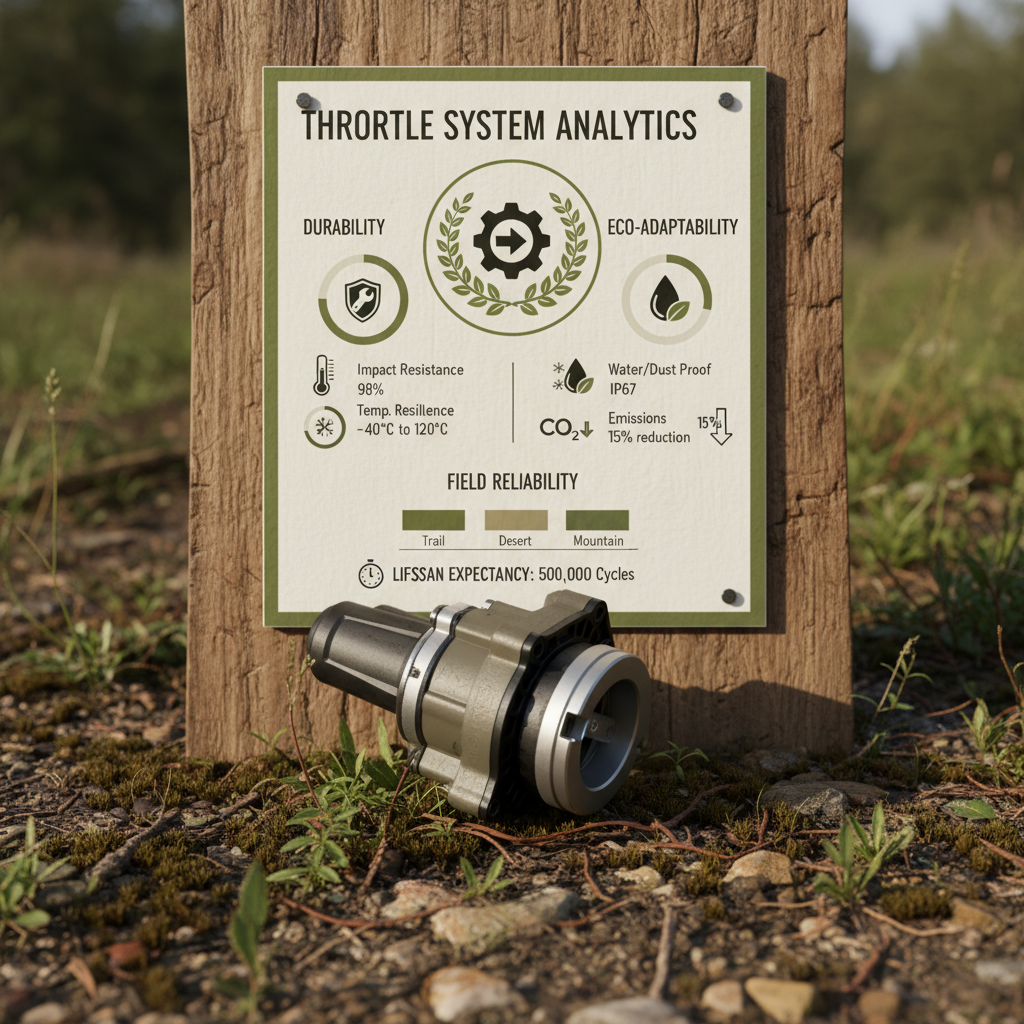
Selecting and Maintaining Your Throttle Assembly
Selecting the appropriate throttle assembly requires careful consideration of the engine type, operating conditions, and desired performance characteristics. Regular maintenance, including inspection of linkages, cables, and sensors, is crucial for ensuring optimal operation and preventing failures. Cleaning the throttle body to remove carbon buildup is also essential for maintaining smooth airflow. For electronic throttle control systems, periodic calibration and diagnostics are recommended. Contact HWEICable for high-quality and reliable throttle assemblies tailored to your specific needs.
Conclusion: Ensuring Optimal Performance with the Right Throttle Assembly
The throttle assembly is a vital component in engine control, impacting performance, efficiency, and emissions. Understanding its functionality, types, and maintenance requirements is essential for maximizing equipment lifespan and reliability. Choosing the right throttle assembly from a trusted supplier like HWEICable ensures optimal operation and peace of mind.
Frequently Asked Questions (FAQs)
What are the common symptoms of a failing throttle assembly?
A failing throttle assembly can manifest in several ways. Common symptoms include rough idling, hesitation during acceleration, stalling, decreased engine power, and a check engine light. You may also notice the accelerator pedal feeling sticky or unresponsive. In electronic throttle control systems, a faulty throttle position sensor (TPS) can also trigger error codes and performance issues. If you experience any of these symptoms, it’s important to have the throttle assembly inspected by a qualified mechanic. Ignoring these issues can lead to more serious engine damage.
How often should I clean my throttle body?
The frequency of throttle body cleaning depends on driving conditions and engine type. Generally, cleaning the throttle body every 30,000 to 50,000 miles is recommended. However, if you frequently drive in dusty environments or experience rough idling, more frequent cleaning may be necessary. Carbon buildup on the throttle plate and bore can restrict airflow and negatively impact engine performance. Using a dedicated throttle body cleaner and following the manufacturer's instructions is crucial.
What is the role of the throttle position sensor (TPS)?
The throttle position sensor (TPS) is a critical component of the throttle assembly, especially in modern engines. It monitors the angle of the throttle plate and sends this information to the engine control unit (ECU). The ECU uses this data to determine the appropriate amount of fuel to inject and the ignition timing. A faulty TPS can cause inaccurate fuel delivery, resulting in poor engine performance, stalling, and increased emissions. Regular testing and replacement of the TPS are essential for maintaining optimal engine operation.
Are electronic throttle control systems more prone to failure?
While electronic throttle control (ETC) systems offer numerous advantages, they can be more susceptible to certain types of failures compared to mechanical systems. ETC systems rely on sensors, actuators, and complex software, which can be affected by electrical issues, corrosion, or programming errors. However, modern ETC systems are generally very reliable and include built-in diagnostic capabilities to identify and address potential problems. Proper maintenance and timely repair of any identified issues are crucial for preventing failures.
-
High Performance Throttle Cable Linkage for Precision MachineryNewsApr.16,2026
-
Ultimate Guide to Choosing a Quality carburetor throttle cableNewsApr.09,2026
-
Comprehensive Guide to the Dual Cable Throttle Assembly for Optimal PerformanceNewsApr.07,2026
-
The Importance of a Quality Throttle Cable Wire for Engine PerformanceNewsApr.04,2026
-
Understanding the Importance of a Manual Throttle Cable for Optimal PerformanceNewsMar.31,2026
-
Understanding the Critical Role of Throttle Rod Linkage in Engine PerformanceNewsMar.28,2026
 Afrikaans
 Albanian
 Amharic
 Arabic
 Armenian
 Azerbaijani
 Basque
 Belarusian
 Bengali
 Bosnian
 Bulgarian
 Catalan
 Cebuano
 Corsican
 Croatian
 Czech
Czech
 Danish
 Dutch
Dutch
 Esperanto
 Estonian
 Finnish
 French
 Frisian
 Galician
 Georgian
 German
 Greek
Greek
 Gujarati
 Haitian Creole
 Hausa
Hausa
 Hawaiian
 Hebrew
 Hindi
Hindi
 Miao
Miao
 Hungarian
 Icelandic
 Igbo
Igbo
 Indonesian
 Irish
Irish
 Italian
 Japanese
 Javanese
 Kannada
 Kazakh
 Khmer
Khmer
 Rwandese
 Korean
 Kurdish
 Kyrgyz
 Lao
Lao
 Latin
Latin
 Latvian
 Lithuanian
 Luxembourgish
 Macedonian
 Malgashi
 Malay
Malay
 Malayalam
 Maltese
 Maori
Maori
 Marathi
 Mongolian
 Myanmar
 Nepali
 Norwegian
 Norwegian
 Occitan
 Pashto
 Persian
 Polish
 Portuguese
 Punjabi
 Romanian
 Russian
 Samoan
 Scottish Gaelic
 Serbian
 Sesotho
 Shona
Shona
 Sindhi
 Sinhala
 Slovak
 Slovenian
 Somali
 Spanish
 Sundanese
 Swahili
 Swedish
 Tagalog
 Tajik
Tajik
 Tamil
Tamil
 Tatar
Tatar
 Telugu
 Thai
Thai
 Turkish
 Turkmen
 Ukrainian
 Urdu
Urdu
 Uighur
 Uzbek
Uzbek
 Vietnamese
 Welsh
Welsh
 Bantu
Bantu
 Yiddish
 Yoruba
 Zulu
Zulu
 English