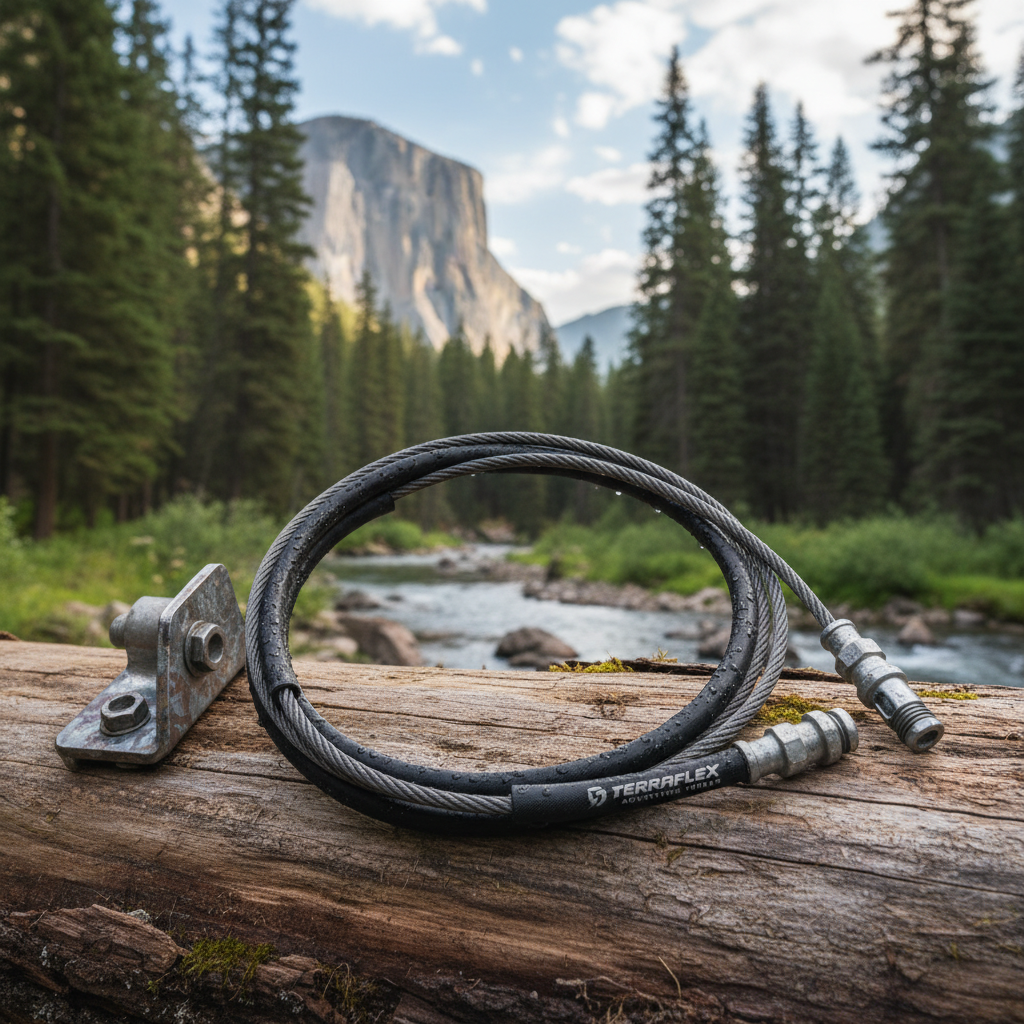
Let me tell you, after years spent knee-deep in concrete dust and wrangling with engineers on job sites, you quickly learn what really matters. It’s not fancy specs on a datasheet; it's reliability, it's getting the job done without headaches, and it's having gear that won't quit on you when you're pushing deadlines. That's where a solid gear selector cable comes in. We're not talking about some flimsy wire; we're talking about the nerve center of complex machinery, the link between the operator and precise control. A bad cable means downtime, re-work, and a whole lot of frustration – and trust me, no one wants that.
I've seen too many projects held up because of a failed gear selector cable. It’s a small component, sure, but it’s absolutely critical. It’s the difference between smooth operation and a catastrophic failure. These cables aren’t just sitting in a climate-controlled environment; they're exposed to vibration, temperature extremes, dirt, and everything else a construction site can throw at them. So, you need something built to last, something that can take a beating and keep performing.
And it’s not just construction. I’ve seen these cables utilized in everything from agricultural equipment to mining operations. The core principle remains the same: dependable operation in harsh conditions. A reliable gear selector cable isn't just a cost; it’s an investment in productivity and, frankly, peace of mind.
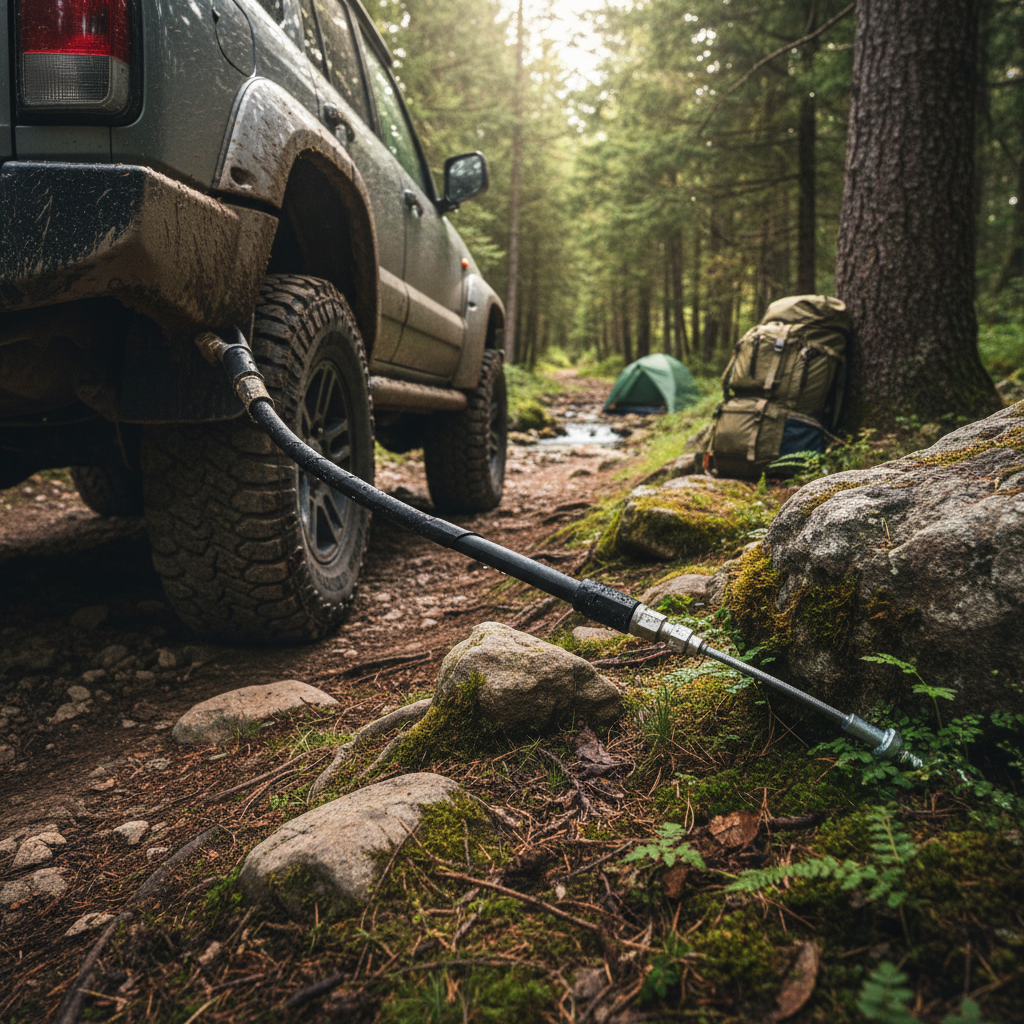
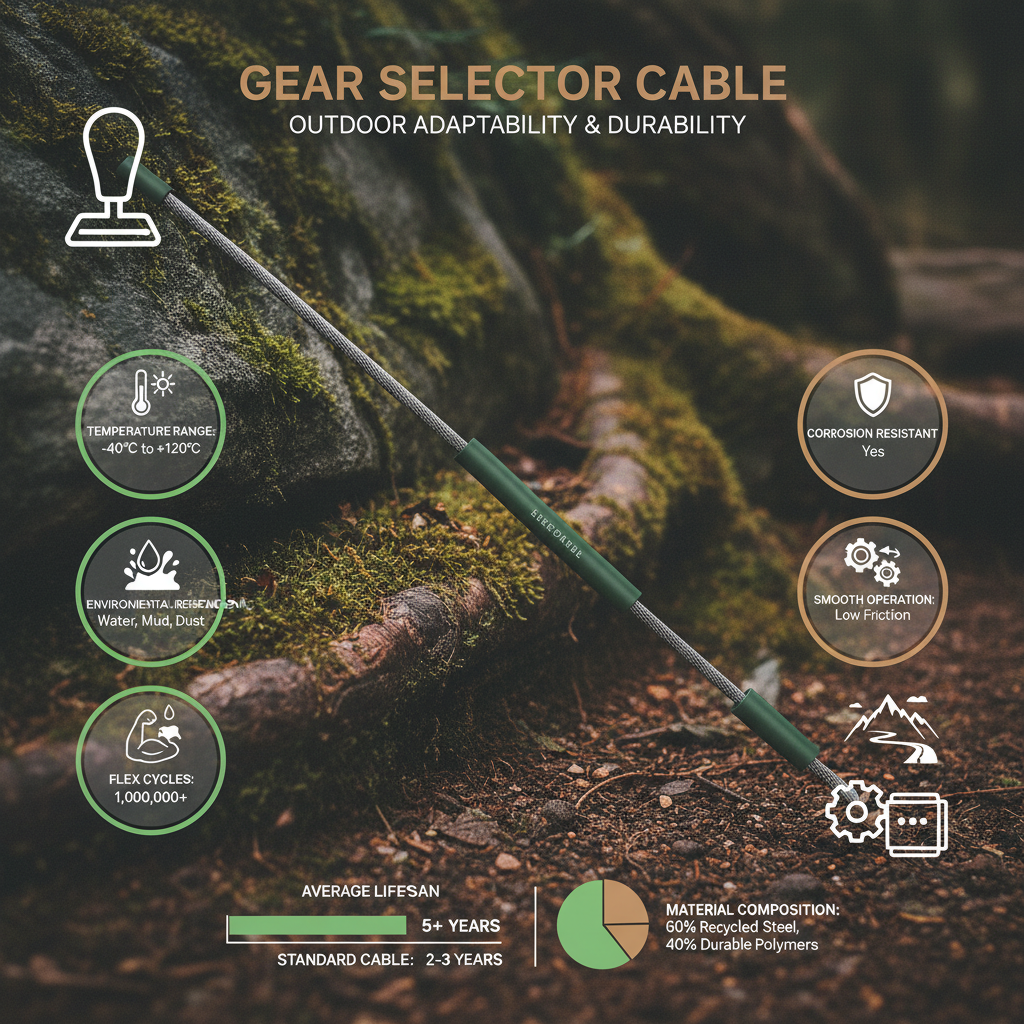
Let’s be blunt: a gear selector cable isn't glamorous, but it's the backbone of any system requiring precise gear control. Think excavators, cranes, loaders – anything where you need to smoothly and reliably shift gears. Without it, you've got a machine that's unresponsive, inefficient, and potentially dangerous. I've seen jobs grind to a halt because of a corroded or fractured cable, and those delays cost serious money.
The quality of the cable directly impacts the safety and efficiency of the operation. A poorly constructed cable can lead to imprecise shifting, increased operator fatigue, and ultimately, mechanical failure. It’s a crucial piece of the puzzle, and skimping on quality is a false economy.
That really depends on the conditions, but on a typical construction site, you can expect a good quality cable to last anywhere from 2 to 5 years. However, heavily used equipment, or exposure to extreme temperatures and corrosive materials, will shorten that lifespan. Regular inspections are crucial – look for fraying, kinks, or any signs of damage to the sheath. Proactive replacement is cheaper than downtime.
There are several telltale signs. If you notice jerky or imprecise gear selection, excessive slack in the cable, or difficulty shifting gears, it's time to inspect it closely. Look for any visible damage, like cuts, fraying, or corrosion. If you're unsure, it's always best to err on the side of caution and replace it. Ignoring the problem could lead to a more serious and costly breakdown.
If you're operating in a corrosive environment – near saltwater, for example, or using de-icing salts – absolutely. Stainless steel cables offer significantly better corrosion resistance than standard steel cables, extending their lifespan and reducing the risk of failure. While they’re more expensive upfront, they can save you money in the long run by reducing the frequency of replacements.
Regular lubrication is critical. Use a high-quality cable lubricant specifically designed for this purpose. Avoid using general-purpose lubricants, as they may attract dirt and debris. Apply the lubricant along the entire length of the cable, ensuring it penetrates the inner strands. Follow the manufacturer's recommendations for frequency of lubrication.
Generally, no. While small cuts or fraying might be temporarily repaired with cable sleeves, it's rarely a long-term solution. The cable's integrity has been compromised, and a full replacement is almost always the safest and most reliable option. Attempting a repair can create a weak point that could fail under load, leading to a dangerous situation.
Look for a supplier with a proven track record of quality and reliability. Check their certifications and ask about their testing procedures. Consider their lead times and ability to handle your specific requirements. And don't be afraid to ask for references from other customers. A good supplier will be able to provide expert advice and support.
Ultimately, the gear selector cable is a deceptively simple component that plays a vital role in the safe and efficient operation of countless machines. Investing in quality, understanding its limitations, and performing regular maintenance are essential for maximizing its lifespan and minimizing downtime. It's not about just buying a cable; it's about investing in reliability, safety, and productivity.
As technology continues to evolve, we can expect to see even more innovative solutions in cable design and materials. Embracing these advancements will be crucial for staying ahead of the curve and ensuring that our equipment remains reliable and efficient in the years to come. Visit our website at www.hweicable.com to explore our full range of high-performance gear selector cables and find the perfect solution for your needs.

 Afrikaans
 Albanian
 Amharic
 Arabic
 Armenian
 Azerbaijani
 Basque
 Belarusian
 Bengali
 Bosnian
 Bulgarian
 Catalan
 Cebuano
 Corsican
 Croatian
 Czech
Czech
 Danish
 Dutch
Dutch
 Esperanto
 Estonian
 Finnish
 French
 Frisian
 Galician
 Georgian
 German
 Greek
Greek
 Gujarati
 Haitian Creole
 Hausa
Hausa
 Hawaiian
 Hebrew
 Hindi
Hindi
 Miao
Miao
 Hungarian
 Icelandic
 Igbo
Igbo
 Indonesian
 Irish
Irish
 Italian
 Japanese
 Javanese
 Kannada
 Kazakh
 Khmer
Khmer
 Rwandese
 Korean
 Kurdish
 Kyrgyz
 Lao
Lao
 Latin
Latin
 Latvian
 Lithuanian
 Luxembourgish
 Macedonian
 Malgashi
 Malay
Malay
 Malayalam
 Maltese
 Maori
Maori
 Marathi
 Mongolian
 Myanmar
 Nepali
 Norwegian
 Norwegian
 Occitan
 Pashto
 Persian
 Polish
 Portuguese
 Punjabi
 Romanian
 Russian
 Samoan
 Scottish Gaelic
 Serbian
 Sesotho
 Shona
Shona
 Sindhi
 Sinhala
 Slovak
 Slovenian
 Somali
 Spanish
 Sundanese
 Swahili
 Swedish
 Tagalog
 Tajik
Tajik
 Tamil
Tamil
 Tatar
Tatar
 Telugu
 Thai
Thai
 Turkish
 Turkmen
 Ukrainian
 Urdu
Urdu
 Uighur
 Uzbek
Uzbek
 Vietnamese
 Welsh
Welsh
 Bantu
Bantu
 Yiddish
 Yoruba
 Zulu
Zulu
 English