
The Vital Role of the E Brake Line in Vehicle Safety and Maintenance
Understanding the Importance of an E Brake Line
The e brake line, or emergency brake cable, is a crucial component in any vehicle’s safety system. It’s the mechanical link that allows you to engage the parking brake, preventing unwanted vehicle movement. While often overlooked during routine maintenance, a faulty e brake line can create a hazardous situation. This article delves into the function, common issues, maintenance, and replacement of e brake lines, providing insights for vehicle owners and enthusiasts. Ensuring the integrity of your e brake line is paramount for both safety and peace of mind.
How Does an E Brake Line Function?
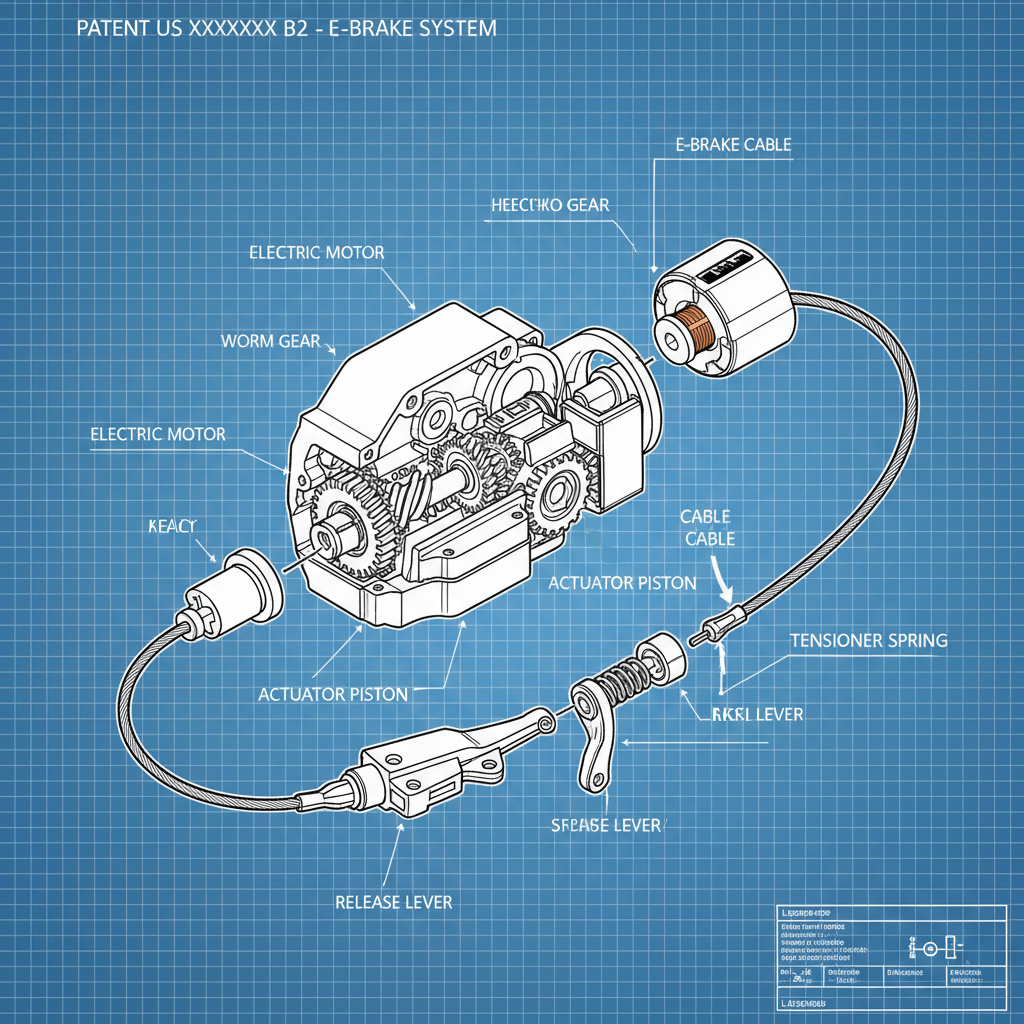
The e brake line typically connects the hand lever or foot pedal to the brake calipers at the rear wheels. When you engage the parking brake, the cable pulls, activating the calipers to clamp down on the brake rotors, effectively stopping the wheels from turning. Modern vehicles may utilize electronic parking brake (EPB) systems, but many still rely on traditional cable-operated systems, making the e brake line a vital part of the equation. The system's reliability directly impacts the vehicle’s ability to remain stationary on inclines and prevent rollaway accidents.
Key Takeaway: The e brake line's primary function is to mechanically apply the rear brakes, ensuring vehicle immobilization when parked.
Common Issues with E Brake Lines
Several issues can affect the performance of an e brake line. Corrosion, particularly in areas exposed to road salt and moisture, is a frequent culprit. This weakens the cable, causing it to stretch or break. Fraying of the cable strands can also occur over time, reducing its strength. Additionally, the cable can become jammed within its sheath due to dirt, debris, or lack of lubrication. These issues can lead to a parking brake that is ineffective, requires excessive force to engage, or even becomes completely unusable.
Common Problems:
• Corrosion and Rust
• Cable Fraying
• Cable Jamming
• Stretching or Breaking
E Brake Line Materials: A Comparative Look
E brake lines are constructed from different materials, each with its own advantages and disadvantages. Steel cables are the most common, offering good strength and durability. However, they are susceptible to corrosion. Stainless steel cables provide enhanced corrosion resistance but are typically more expensive. Braided stainless steel lines offer superior strength and flexibility. Choosing the right material depends on the vehicle's operating environment and the owner's budget. Considering the long-term cost of replacement, investing in a more durable material might prove worthwhile.
Maintaining Your E Brake Line for Longevity
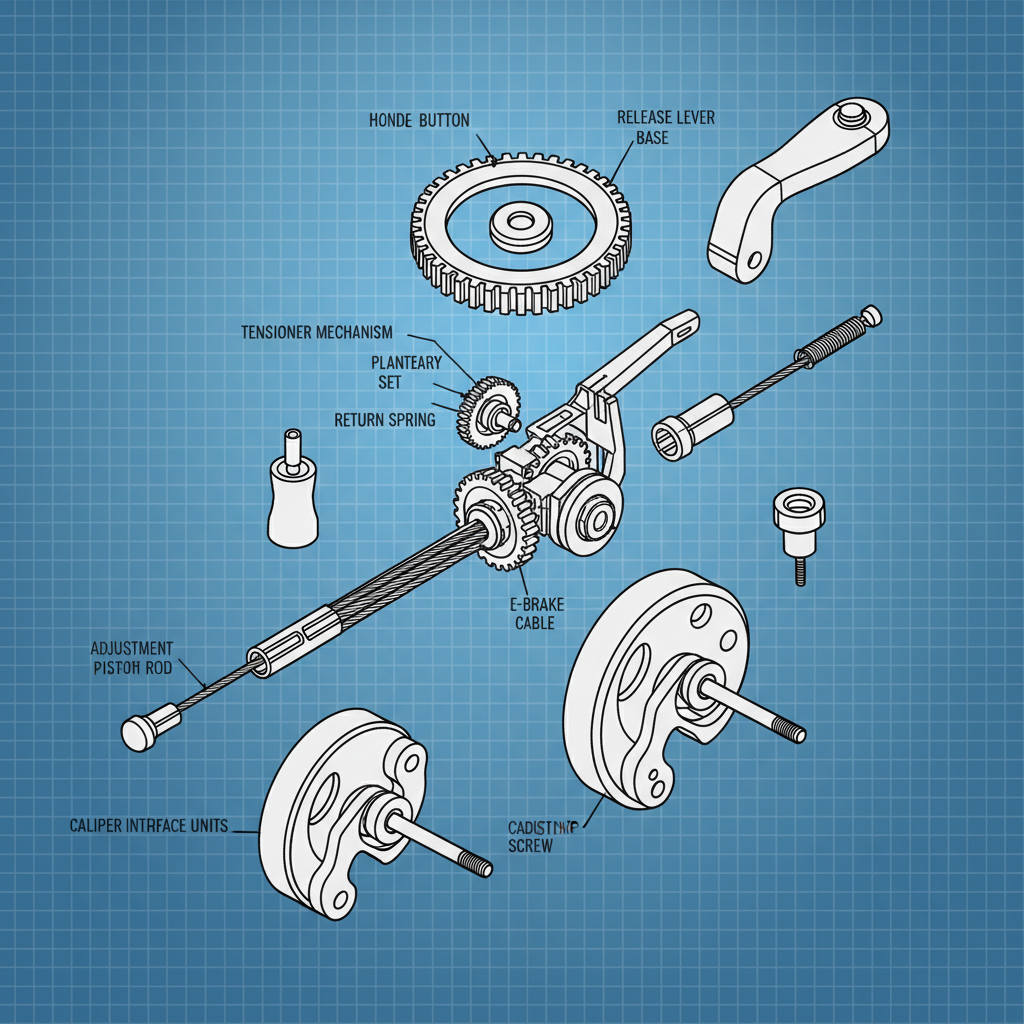
Regular maintenance can significantly extend the life of your e brake line. Periodically inspect the cable for signs of corrosion, fraying, or damage. Lubricate the cable with a suitable cable lubricant to reduce friction and prevent jamming. Adjust the cable tension as needed to ensure proper parking brake function. These simple steps can prevent minor issues from escalating into major, potentially dangerous problems. Check your owner's manual for specific maintenance recommendations for your vehicle.
When to Replace Your E Brake Line: Signs and Symptoms
If you notice any of the following symptoms, it's likely time to replace your e brake line: difficulty engaging the parking brake, a parking brake that doesn't hold the vehicle securely, visible signs of corrosion or damage to the cable, or excessive cable stretching. Ignoring these warning signs could compromise your safety. Replacing the e brake line is a relatively straightforward repair for a qualified mechanic, and it's a worthwhile investment to ensure the safety and reliability of your vehicle. For high-quality cable solutions, consider exploring reputable suppliers.
Conclusion: Prioritizing Safety with a Functional E Brake Line
Maintaining a functional e brake line is critical for vehicle safety. Regular inspection, lubrication, and timely replacement when necessary are essential preventative measures. By addressing potential issues promptly, you can ensure your parking brake operates effectively, preventing rollaway accidents and safeguarding yourself and others.
Frequently Asked Questions (FAQs)
How often should I inspect my e brake line?
It's recommended to visually inspect your e brake line at least twice a year, or during routine vehicle maintenance. Pay close attention to areas exposed to the elements, looking for signs of corrosion, fraying, or damage. If you live in an area with harsh winters and road salt, more frequent inspections are advisable. Early detection of issues can prevent more serious problems down the road.
Can I repair an e brake line myself?
While it's possible to repair minor damage to an e brake line, such as lubricating a stuck cable, it's generally not recommended to attempt major repairs yourself unless you have significant mechanical experience and the proper tools. Replacing an e brake line requires disconnecting and reconnecting the cable to the calipers, and improper installation can compromise the braking system's functionality. For safety reasons, it’s best to leave this task to a qualified mechanic.
What type of lubricant should I use on my e brake line?
Use a cable lubricant specifically designed for automotive applications. Avoid using general-purpose lubricants, as they may not penetrate the cable sheath effectively or could attract dirt and debris. A silicone-based cable lubricant is a good choice, as it provides excellent lubrication and corrosion protection. Apply the lubricant according to the manufacturer’s instructions.
What are the potential consequences of driving with a faulty e brake line?
Driving with a faulty e brake line can lead to several dangerous situations. If the parking brake doesn't engage properly, your vehicle could roll away on an incline, causing damage or injury. Additionally, a damaged e brake line can interfere with the operation of the rear brakes, reducing your stopping power. It’s crucial to address any issues with your e brake line promptly to maintain your safety and the safety of others.
-
High Performance Throttle Cable Linkage for Precision MachineryNewsApr.16,2026
-
Ultimate Guide to Choosing a Quality carburetor throttle cableNewsApr.09,2026
-
Comprehensive Guide to the Dual Cable Throttle Assembly for Optimal PerformanceNewsApr.07,2026
-
The Importance of a Quality Throttle Cable Wire for Engine PerformanceNewsApr.04,2026
-
Understanding the Importance of a Manual Throttle Cable for Optimal PerformanceNewsMar.31,2026
-
Understanding the Critical Role of Throttle Rod Linkage in Engine PerformanceNewsMar.28,2026
 Afrikaans
 Albanian
 Amharic
 Arabic
 Armenian
 Azerbaijani
 Basque
 Belarusian
 Bengali
 Bosnian
 Bulgarian
 Catalan
 Cebuano
 Corsican
 Croatian
 Czech
Czech
 Danish
 Dutch
Dutch
 Esperanto
 Estonian
 Finnish
 French
 Frisian
 Galician
 Georgian
 German
 Greek
Greek
 Gujarati
 Haitian Creole
 Hausa
Hausa
 Hawaiian
 Hebrew
 Hindi
Hindi
 Miao
Miao
 Hungarian
 Icelandic
 Igbo
Igbo
 Indonesian
 Irish
Irish
 Italian
 Japanese
 Javanese
 Kannada
 Kazakh
 Khmer
Khmer
 Rwandese
 Korean
 Kurdish
 Kyrgyz
 Lao
Lao
 Latin
Latin
 Latvian
 Lithuanian
 Luxembourgish
 Macedonian
 Malgashi
 Malay
Malay
 Malayalam
 Maltese
 Maori
Maori
 Marathi
 Mongolian
 Myanmar
 Nepali
 Norwegian
 Norwegian
 Occitan
 Pashto
 Persian
 Polish
 Portuguese
 Punjabi
 Romanian
 Russian
 Samoan
 Scottish Gaelic
 Serbian
 Sesotho
 Shona
Shona
 Sindhi
 Sinhala
 Slovak
 Slovenian
 Somali
 Spanish
 Sundanese
 Swahili
 Swedish
 Tagalog
 Tajik
Tajik
 Tamil
Tamil
 Tatar
Tatar
 Telugu
 Thai
Thai
 Turkish
 Turkmen
 Ukrainian
 Urdu
Urdu
 Uighur
 Uzbek
Uzbek
 Vietnamese
 Welsh
Welsh
 Bantu
Bantu
 Yiddish
 Yoruba
 Zulu
Zulu
 English