
Understanding the Critical Role of the E Brake Wire for Vehicle Safety
Understanding the Importance of an E Brake Wire
The emergency brake, also known as the parking brake, is a vital safety feature in any vehicle. A functioning e brake wire is crucial for preventing unintended vehicle movement, particularly on inclines. This article delves into the components, types, common issues, maintenance, and selection criteria for e brake wires, providing a comprehensive guide for vehicle owners and technicians. Ensuring your emergency brake is in optimal condition is a small investment that can prevent potentially catastrophic accidents.
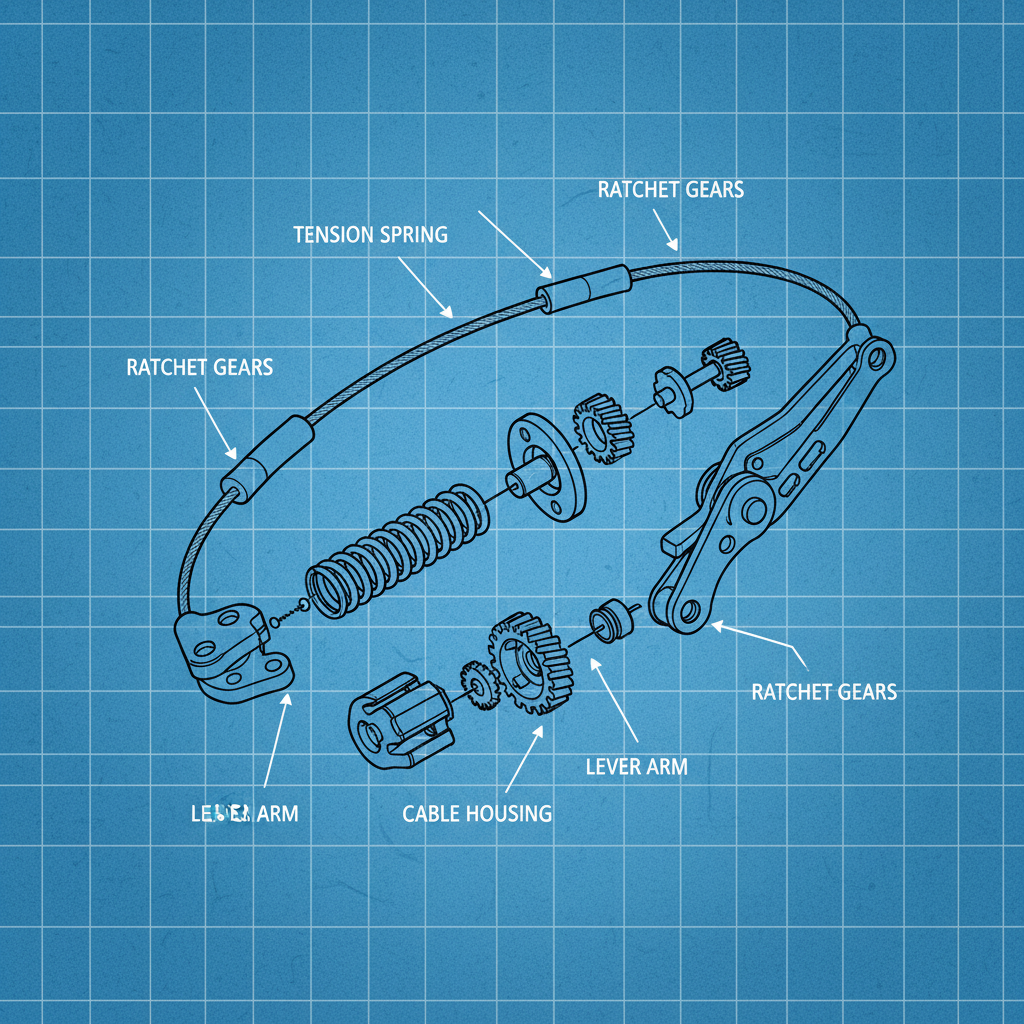
Components of an E Brake Wire System
An e brake wire system isn't simply a single wire. It comprises several key components working in unison. These include the hand lever or foot pedal, the cable itself (the e brake wire), return springs, equalizers, and the brake caliper linkages. The hand lever or foot pedal initiates the braking action, pulling on the cable. The cable transmits this force to the brake shoes or pads, engaging the parking brake mechanism. Equalizers distribute the force evenly to both rear wheels. The return springs ensure the brake disengages when the lever/pedal is released. A damaged or corroded e brake wire can compromise the entire system.
Key Takeaway: A properly functioning e brake system relies on the integrity of all its components, not just the wire itself.
Types of E Brake Wire
E brake wires are commonly categorized by their construction and materials. The most prevalent types include: steel cable with a PVC coating, stainless steel cable, and braided stainless steel cable. Steel cable with PVC coating is the most economical option, suitable for general-purpose use. Stainless steel cable offers enhanced corrosion resistance, making it ideal for vehicles exposed to harsh weather conditions. Braided stainless steel provides superior strength and durability, often used in performance applications. The choice of wire depends on the vehicle's environment, usage, and budget.
E Brake Wire Comparison:
• Steel Cable (PVC Coated): Cost-effective, suitable for dry climates.
• Stainless Steel Cable: Corrosion-resistant, ideal for varied weather.
• Braided Stainless Steel Cable: Highest strength and durability.
Common Issues with E Brake Wires
Several issues can plague e brake wires over time. Corrosion is a frequent problem, especially in regions with salt-treated roads. Fraying of the cable strands weakens its strength, increasing the risk of breakage. Sticking or binding within the cable sheath can hinder smooth operation. Stretching can reduce braking effectiveness. Furthermore, improper installation or adjustment can lead to premature failure. Addressing these issues promptly is crucial for maintaining parking brake functionality. A professional inspection can identify potential problems before they escalate.
Maintaining Your E Brake Wire: Inspection and Lubrication
Regular maintenance can significantly extend the life of your e brake wire. Periodically inspect the cable for signs of corrosion, fraying, or damage. Lubricating the cable with a suitable lubricant (cable lubricant or silicone spray) helps reduce friction and prevent sticking. Check the cable's tension and adjust it as needed to ensure proper engagement. A visual inspection during routine vehicle maintenance is a good practice. If you notice any issues, it's best to consult a qualified mechanic. Consider replacing the wire as preventative maintenance every few years, depending on driving conditions.
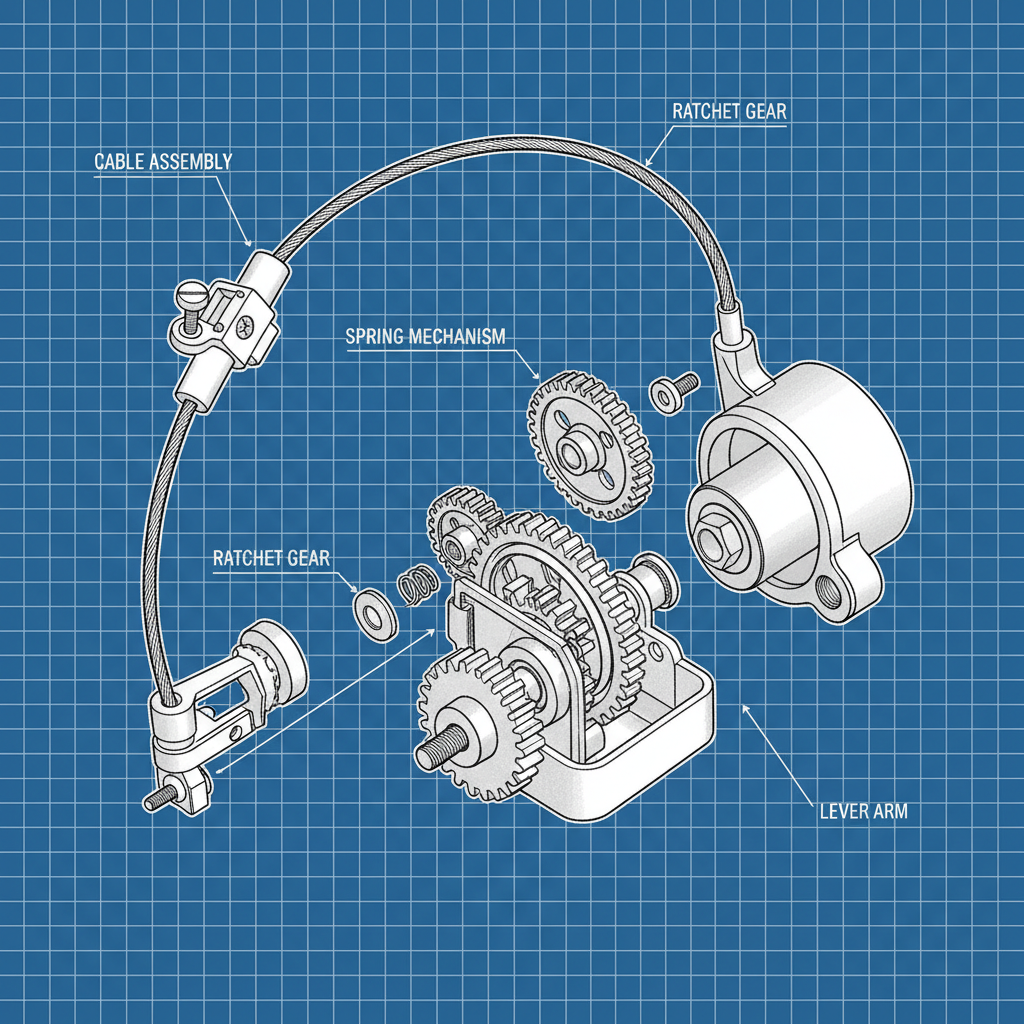
Choosing the Right E Brake Wire from HWEICable
When selecting an e brake wire, consider the vehicle's make and model, the operating environment, and your specific needs. HWEICable offers a comprehensive range of high-quality e brake wires constructed from durable materials. We provide options to suit various applications, from standard passenger vehicles to heavy-duty trucks. Our cables are rigorously tested to ensure reliable performance and longevity. We prioritize customer satisfaction and offer competitive pricing. Contact us today to find the perfect e brake wire for your needs!
Conclusion: Prioritizing Safety with a Reliable E Brake Wire
A properly functioning e brake system is crucial for vehicle safety. Choosing a high-quality e brake wire from a reputable supplier like HWEICable is a smart investment. Regular inspection and maintenance will ensure your parking brake remains reliable for years to come. Don't compromise on safety – prioritize a functioning emergency brake!
Frequently Asked Questions (FAQs)
How often should I replace my e brake wire?
The frequency of replacement depends on driving conditions and usage. As a general guideline, inspect the wire annually and consider replacement every 3-5 years, even if no visible damage is present. Vehicles operating in harsh environments (e.g., salty roads, dusty conditions) may require more frequent replacement. Always replace the wire if you notice fraying, corrosion, or difficulty in operation. Prioritizing regular inspection and timely replacement can prevent a sudden failure and ensure your safety.
Can I repair a frayed e brake wire?
While minor fraying might seem repairable, it's generally not recommended. Fraying indicates internal weakening of the cable. Attempting a repair often compromises the cable's structural integrity, increasing the risk of complete failure. Replacing the entire e brake wire is the safest and most reliable solution. A compromised wire can lead to loss of braking force and a potentially dangerous situation.
What lubricant should I use on my e brake wire?
Use a lubricant specifically designed for cables, such as cable lubricant or silicone spray. Avoid using oil-based lubricants, as they can attract dirt and grime, leading to binding and corrosion. Apply the lubricant sparingly along the cable, working it into the sheath. Ensure the lubricant doesn't contaminate the brake shoes or pads. A properly lubricated cable will operate smoothly and efficiently.
How do I know if my e brake is properly adjusted?
A properly adjusted e brake should hold the vehicle securely on a moderate incline with minimal effort. Typically, it should engage between 6-8 clicks. If it doesn't hold, it might need tightening. If it requires excessive force to engage, it might be too tight. Consult your vehicle's owner's manual for specific adjustment instructions. If you're unsure, it's best to have a qualified mechanic adjust it for you.
-
High Performance Throttle Cable Linkage for Precision MachineryNewsApr.16,2026
-
Ultimate Guide to Choosing a Quality carburetor throttle cableNewsApr.09,2026
-
Comprehensive Guide to the Dual Cable Throttle Assembly for Optimal PerformanceNewsApr.07,2026
-
The Importance of a Quality Throttle Cable Wire for Engine PerformanceNewsApr.04,2026
-
Understanding the Importance of a Manual Throttle Cable for Optimal PerformanceNewsMar.31,2026
-
Understanding the Critical Role of Throttle Rod Linkage in Engine PerformanceNewsMar.28,2026
 Afrikaans
 Albanian
 Amharic
 Arabic
 Armenian
 Azerbaijani
 Basque
 Belarusian
 Bengali
 Bosnian
 Bulgarian
 Catalan
 Cebuano
 Corsican
 Croatian
 Czech
Czech
 Danish
 Dutch
Dutch
 Esperanto
 Estonian
 Finnish
 French
 Frisian
 Galician
 Georgian
 German
 Greek
Greek
 Gujarati
 Haitian Creole
 Hausa
Hausa
 Hawaiian
 Hebrew
 Hindi
Hindi
 Miao
Miao
 Hungarian
 Icelandic
 Igbo
Igbo
 Indonesian
 Irish
Irish
 Italian
 Japanese
 Javanese
 Kannada
 Kazakh
 Khmer
Khmer
 Rwandese
 Korean
 Kurdish
 Kyrgyz
 Lao
Lao
 Latin
Latin
 Latvian
 Lithuanian
 Luxembourgish
 Macedonian
 Malgashi
 Malay
Malay
 Malayalam
 Maltese
 Maori
Maori
 Marathi
 Mongolian
 Myanmar
 Nepali
 Norwegian
 Norwegian
 Occitan
 Pashto
 Persian
 Polish
 Portuguese
 Punjabi
 Romanian
 Russian
 Samoan
 Scottish Gaelic
 Serbian
 Sesotho
 Shona
Shona
 Sindhi
 Sinhala
 Slovak
 Slovenian
 Somali
 Spanish
 Sundanese
 Swahili
 Swedish
 Tagalog
 Tajik
Tajik
 Tamil
Tamil
 Tatar
Tatar
 Telugu
 Thai
Thai
 Turkish
 Turkmen
 Ukrainian
 Urdu
Urdu
 Uighur
 Uzbek
Uzbek
 Vietnamese
 Welsh
Welsh
 Bantu
Bantu
 Yiddish
 Yoruba
 Zulu
Zulu
 English