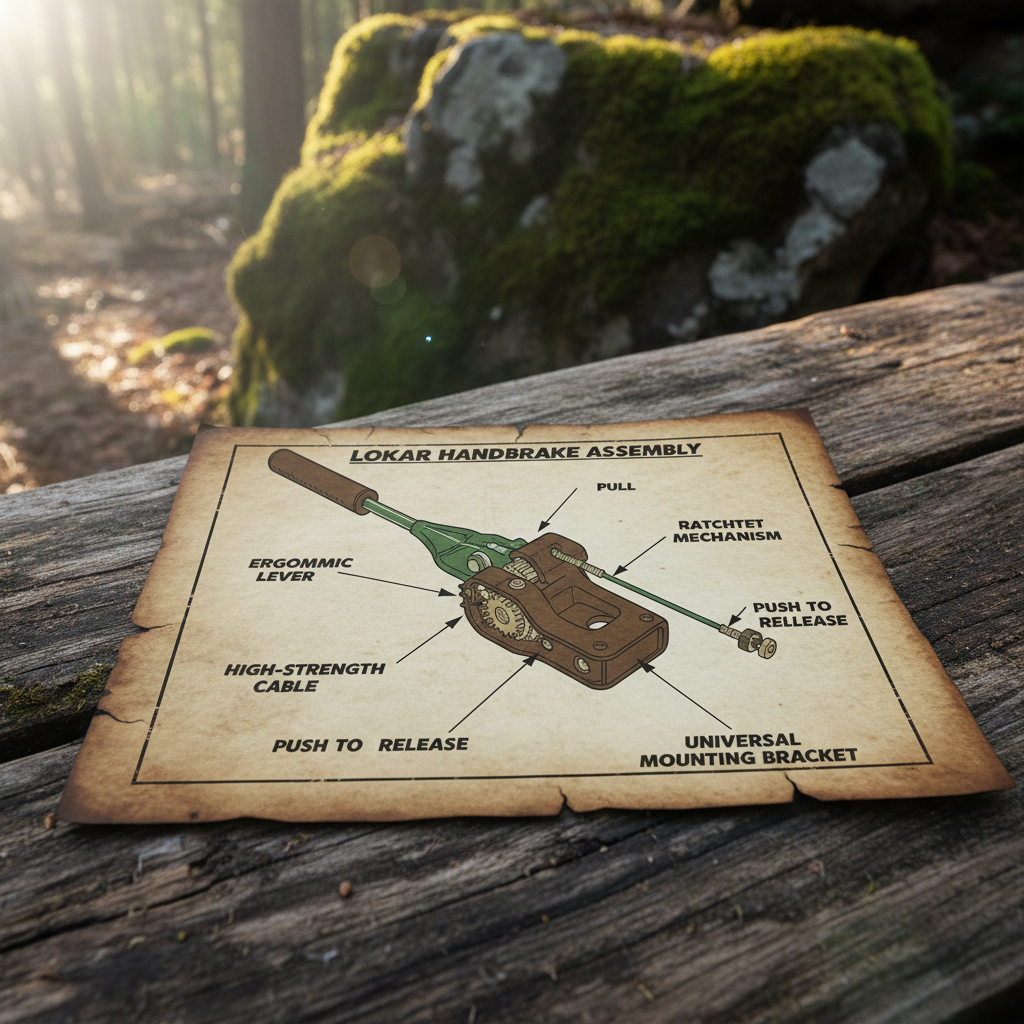
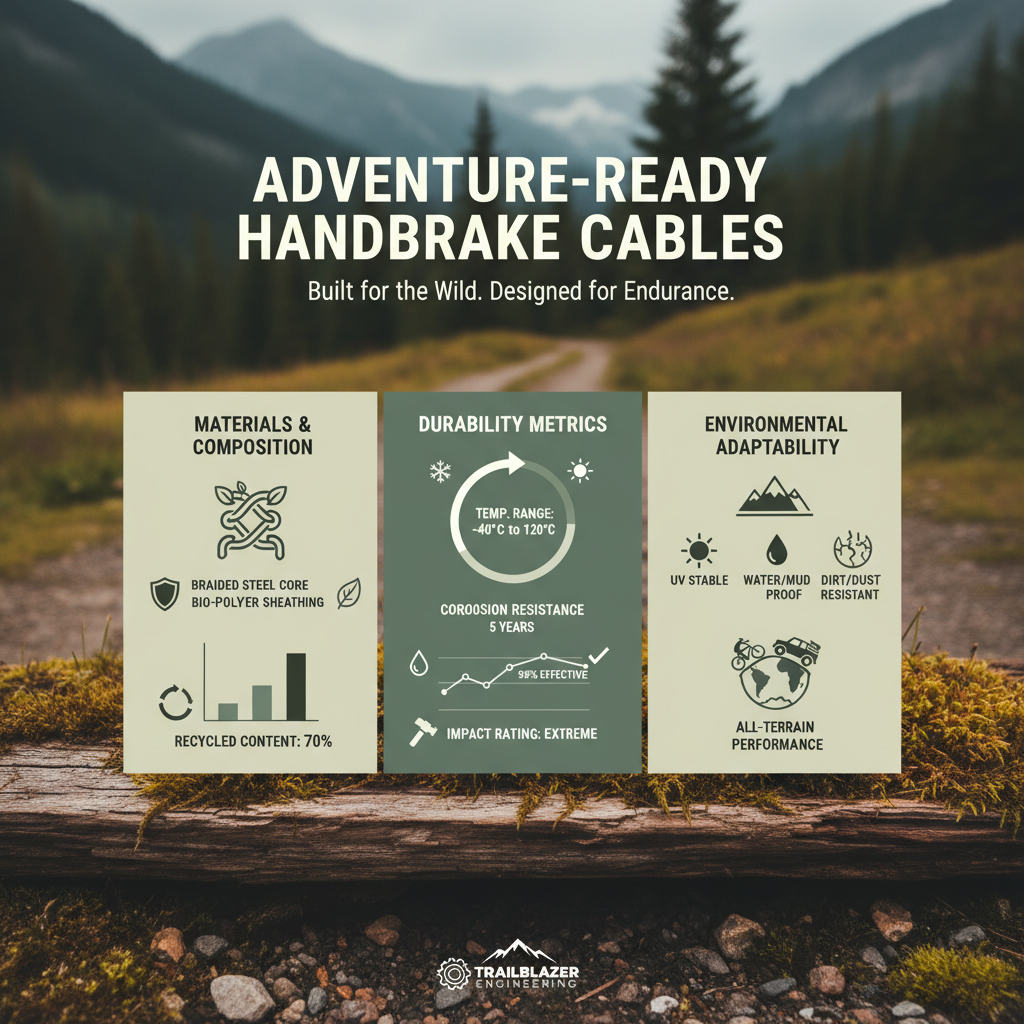
The ebrake cable tool is an essential component in vehicle safety, ensuring reliable parking and emergency braking functionality. While seemingly simple, the design, materials, and installation of these tools directly impact safety and driver confidence. Understanding the nuances of ebrake cable tools, from basic mechanics to modern advancements, is crucial for automotive technicians, vehicle owners, and safety regulators alike. Its global importance stems from the universal need for safe and dependable vehicle control.
The demand for high-quality ebrake cable tools is steadily increasing with the expanding global automotive market and stricter safety standards. According to data from the International Organization of Motor Vehicle Manufacturers (OICA), global vehicle production continues to rise, necessitating a corresponding increase in the demand for all vehicle components, including ebrake systems. Effective and reliable ebrake cable tools are key to maintaining these vehicles and preventing accidents.
Addressing potential failures within these systems is a significant challenge. A malfunctioning ebrake can lead to vehicle rollaway incidents, posing a serious risk of property damage, injury, or even fatality. Therefore, proper maintenance, inspection, and readily available, reliable ebrake cable tools are paramount for safe vehicle operation. ebrake cable tool is essential for any auto repair shop.

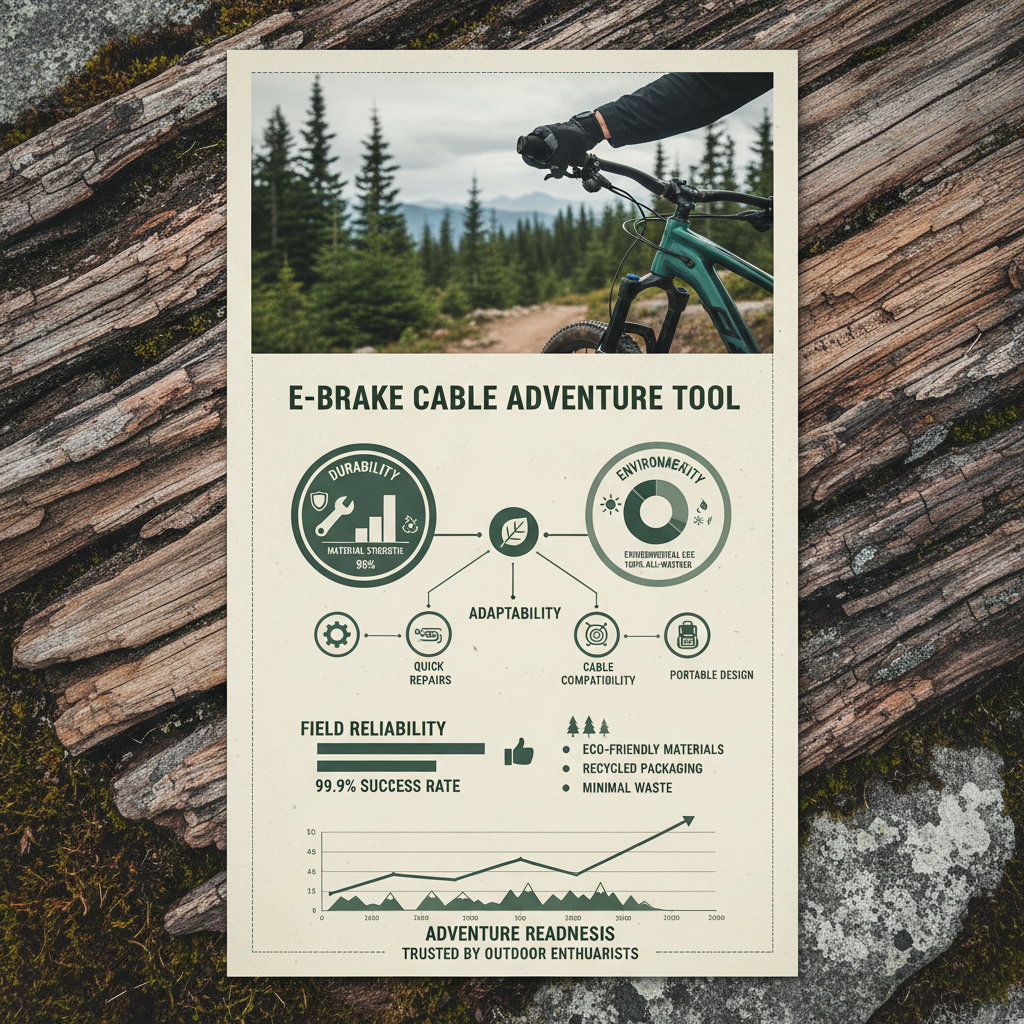
An ebrake cable tool encompasses a range of instruments and devices used for the installation, adjustment, and repair of emergency brake cables. These tools can range from simple pliers and screwdrivers to specialized cable stretchers, crimpers, and diagnostic equipment. Effective use of these tools is vital for ensuring the proper functioning of the entire ebrake system.
The importance of a reliable ebrake system cannot be overstated. It’s a critical safety feature designed to prevent vehicles from rolling when parked, especially on inclines. A properly functioning ebrake also serves as a secondary braking system in emergency situations, potentially preventing accidents. This is why having the correct ebrake cable tool for the job is so important.
To maximize the lifespan of your ebrake cable tool kit, store it in a dry, clean environment. A dedicated tool chest or storage box is ideal, protecting the tools from moisture, dust, and damage. Consider using tool organizers or foam inserts to keep tools separated and prevent them from rubbing against each other, which can cause wear and tear.
Calibration frequency for an ebrake cable tension tester depends on usage and manufacturer recommendations. Generally, annual calibration is advisable for professional use to ensure accuracy. If you notice inconsistencies in readings or suspect damage, recalibration is necessary. Regular calibration guarantees reliable measurements and accurate repairs.
High-quality ebrake cable crimpers should be made from hardened steel, such as chrome vanadium or alloy steel. These materials provide the necessary strength and durability to create secure, long-lasting crimps without damaging the cable. Avoid crimpers made from softer metals, as they may wear out quickly and compromise the integrity of the connection.
Regular cleaning is crucial for maintaining the performance of your ebrake cable tools. Wipe down tools after each use to remove dirt, grease, and debris. For stubborn grime, use a mild solvent and a soft cloth. Lubricate moving parts periodically to prevent corrosion and ensure smooth operation. Store tools in a dry environment to prevent rust.
Not necessarily. While replacing the entire ebrake system can be a comprehensive solution, it's often sufficient to replace only the damaged cable and inspect other components for wear and tear. If other parts, such as levers, springs, or drums, show signs of deterioration, they should also be replaced to ensure optimal braking performance. A thorough inspection is key.
Numerous resources are available for learning about ebrake cable tool usage. Online automotive repair forums, YouTube tutorials, and manufacturer websites provide valuable information and demonstrations. Consider taking a course at a vocational school or community college to gain hands-on experience and certification. Proper training is essential for safe and effective repairs.
In conclusion, the ebrake cable tool is far more than a simple collection of instruments; it represents a critical link in ensuring vehicle safety and reliability. From the selection of durable materials to the integration of cutting-edge digital technologies, the evolution of these tools reflects a commitment to precision, efficiency, and driver security. Understanding the core components, applications, and future trends surrounding ebrake cable tools is crucial for automotive professionals and enthusiasts alike.
Looking ahead, we can anticipate even more sophisticated ebrake cable tools that leverage advancements in materials science, sensor technology, and data analytics. Prioritizing investments in high-quality tools, coupled with ongoing training and adherence to best practices, will not only improve repair outcomes but also contribute to a safer and more sustainable automotive future. Visit our website at www.hweicable.com to explore our full range of ebrake cable tools and related solutions.

 Afrikaans
 Albanian
 Amharic
 Arabic
 Armenian
 Azerbaijani
 Basque
 Belarusian
 Bengali
 Bosnian
 Bulgarian
 Catalan
 Cebuano
 Corsican
 Croatian
 Czech
Czech
 Danish
 Dutch
Dutch
 Esperanto
 Estonian
 Finnish
 French
 Frisian
 Galician
 Georgian
 German
 Greek
Greek
 Gujarati
 Haitian Creole
 Hausa
Hausa
 Hawaiian
 Hebrew
 Hindi
Hindi
 Miao
Miao
 Hungarian
 Icelandic
 Igbo
Igbo
 Indonesian
 Irish
Irish
 Italian
 Japanese
 Javanese
 Kannada
 Kazakh
 Khmer
Khmer
 Rwandese
 Korean
 Kurdish
 Kyrgyz
 Lao
Lao
 Latin
Latin
 Latvian
 Lithuanian
 Luxembourgish
 Macedonian
 Malgashi
 Malay
Malay
 Malayalam
 Maltese
 Maori
Maori
 Marathi
 Mongolian
 Myanmar
 Nepali
 Norwegian
 Norwegian
 Occitan
 Pashto
 Persian
 Polish
 Portuguese
 Punjabi
 Romanian
 Russian
 Samoan
 Scottish Gaelic
 Serbian
 Sesotho
 Shona
Shona
 Sindhi
 Sinhala
 Slovak
 Slovenian
 Somali
 Spanish
 Sundanese
 Swahili
 Swedish
 Tagalog
 Tajik
Tajik
 Tamil
Tamil
 Tatar
Tatar
 Telugu
 Thai
Thai
 Turkish
 Turkmen
 Ukrainian
 Urdu
Urdu
 Uighur
 Uzbek
Uzbek
 Vietnamese
 Welsh
Welsh
 Bantu
Bantu
 Yiddish
 Yoruba
 Zulu
Zulu
 English