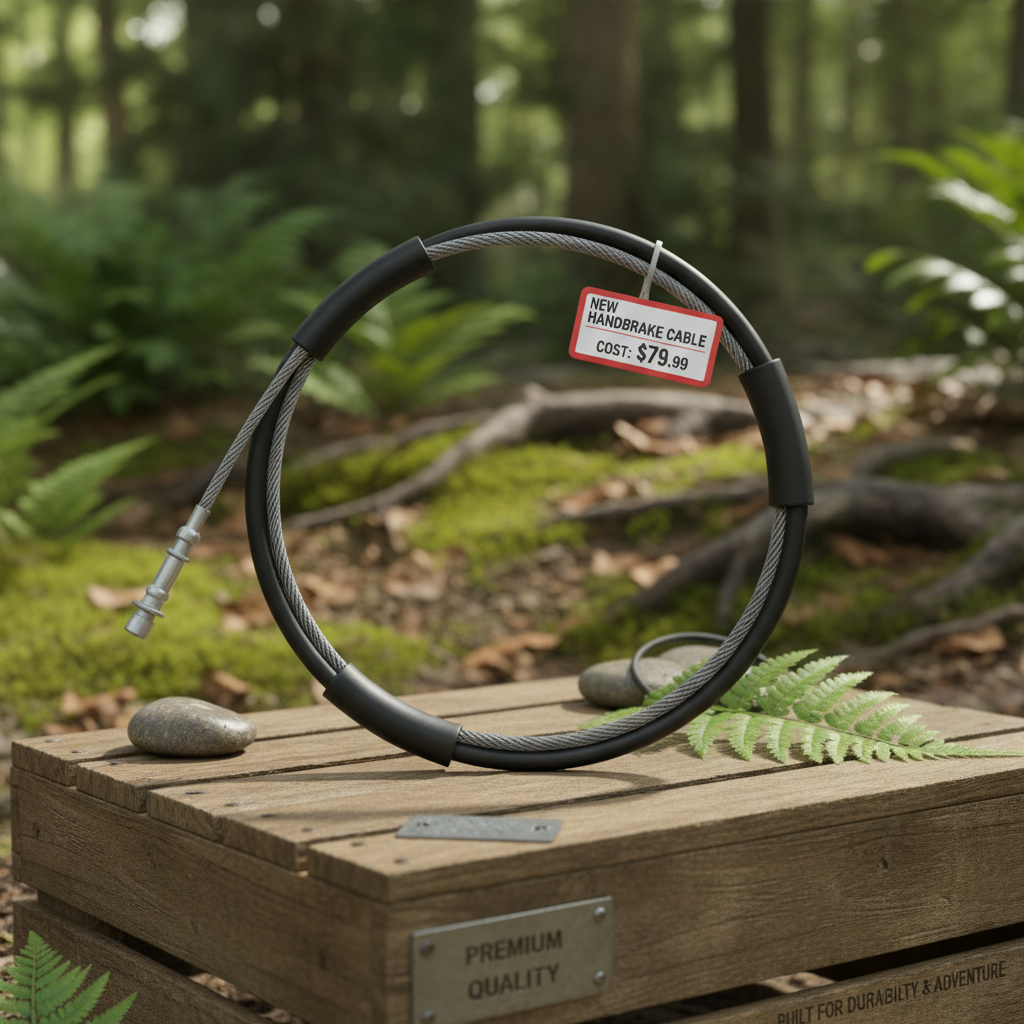
The humble hand brake wire, often overlooked, plays a crucial role in ensuring vehicle safety and control. This seemingly simple component is a critical element in the braking system, providing a secondary means of securing a vehicle, particularly on inclines or during maintenance. Understanding the intricacies of hand brake wire – its materials, construction, and performance characteristics – is paramount for automotive engineers, technicians, and vehicle owners alike. The global automotive industry's commitment to safety and increasingly stringent regulations drive the ongoing development and refinement of this essential component.
Globally, the demand for reliable and durable hand brake wire is substantial, directly correlated with the number of vehicles on the road. With over 1.4 billion vehicles worldwide (data from Statista, 2023), the need for high-quality hand brake systems is consistently high. The UN Economic Commission for Europe (UNECE) regulations set standards for vehicle safety components, including braking systems, influencing the design and manufacturing of hand brake wire. This impacts not only established automotive markets but also emerging economies experiencing rapid vehicle ownership growth.
The current challenge lies in balancing cost-effectiveness with the increasing demands for enhanced safety and longevity in hand brake wire. Traditional steel cables, while affordable, can be susceptible to corrosion and stretching. Advancements in materials science offer potential solutions, but wider adoption requires overcoming cost barriers and demonstrating long-term reliability under diverse operating conditions.

Hand brake wire, despite its often-unnoticed role, is a vital safety feature in vehicles. It's a mechanical linkage that independently controls the rear brakes, allowing drivers to secure the vehicle when parked, especially on slopes. The reliability of this system directly impacts safety, preventing rollaways and potential accidents. A properly functioning hand brake wire is not merely a convenience, but a necessity for responsible vehicle operation.
Beyond basic safety, the integrity of the hand brake wire contributes to the longevity of the primary braking system. By utilizing the hand brake for parking, the strain on the foot brake system is reduced, minimizing wear and tear and potentially extending the lifespan of brake pads and rotors. This contributes to overall vehicle maintenance cost savings over time.
It's recommended to visually inspect your hand brake wire at least twice a year, and as part of your regular vehicle maintenance checks. Look for signs of fraying, corrosion, kinking, or damage to the cable and its sheath. If you notice any of these issues, it's crucial to have it inspected and potentially replaced by a qualified mechanic. A malfunctioning hand brake wire can compromise vehicle safety.
Common signs of a failing hand brake wire include a hand brake lever that feels loose or spongy, an inability to fully engage the hand brake, or a hand brake that doesn't hold the vehicle securely on an incline. You might also hear unusual noises, such as clicking or grinding sounds, when engaging or disengaging the hand brake. These symptoms warrant immediate attention.
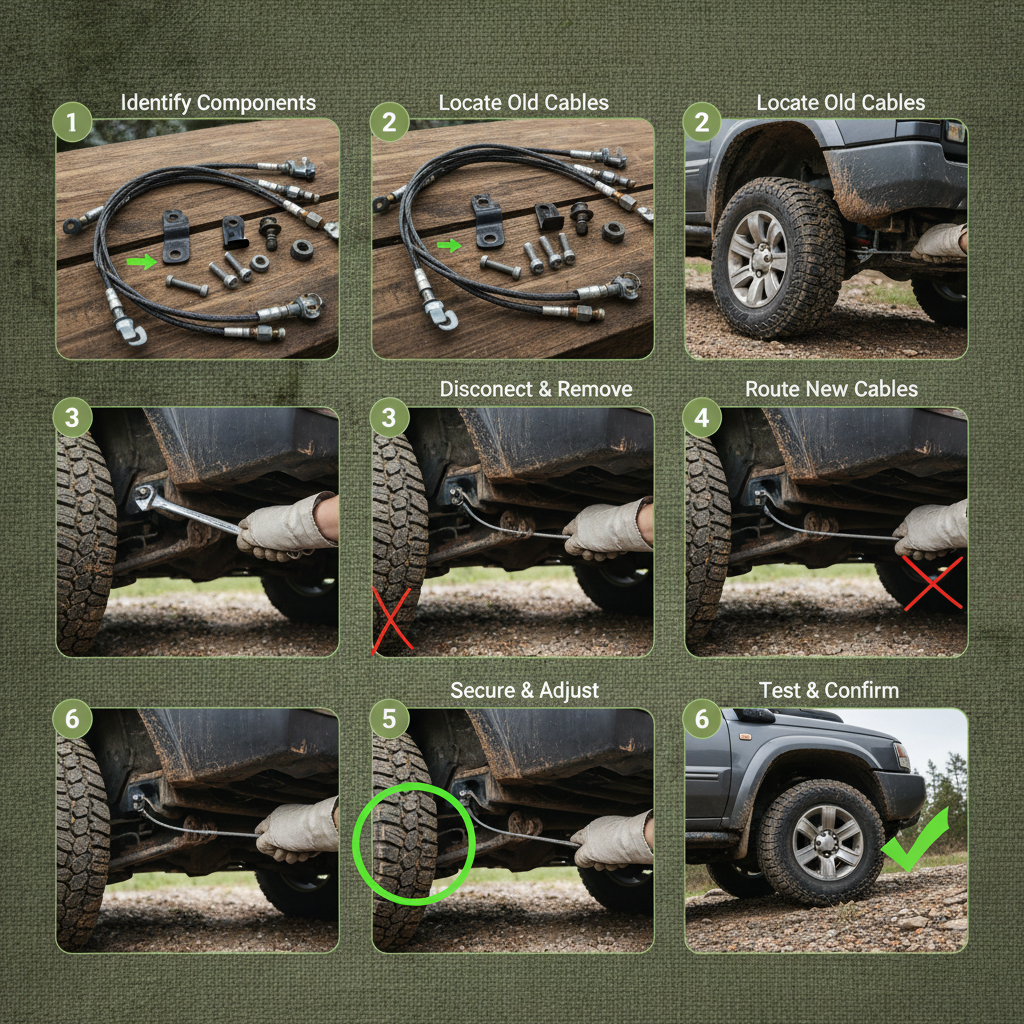
Replacing hand brake wire can be a complex task, requiring specialized tools and knowledge of your vehicle's braking system. While experienced DIY mechanics may attempt it, it's generally recommended to have this work performed by a qualified automotive technician. Improper installation can compromise the integrity of the braking system and create a safety hazard.
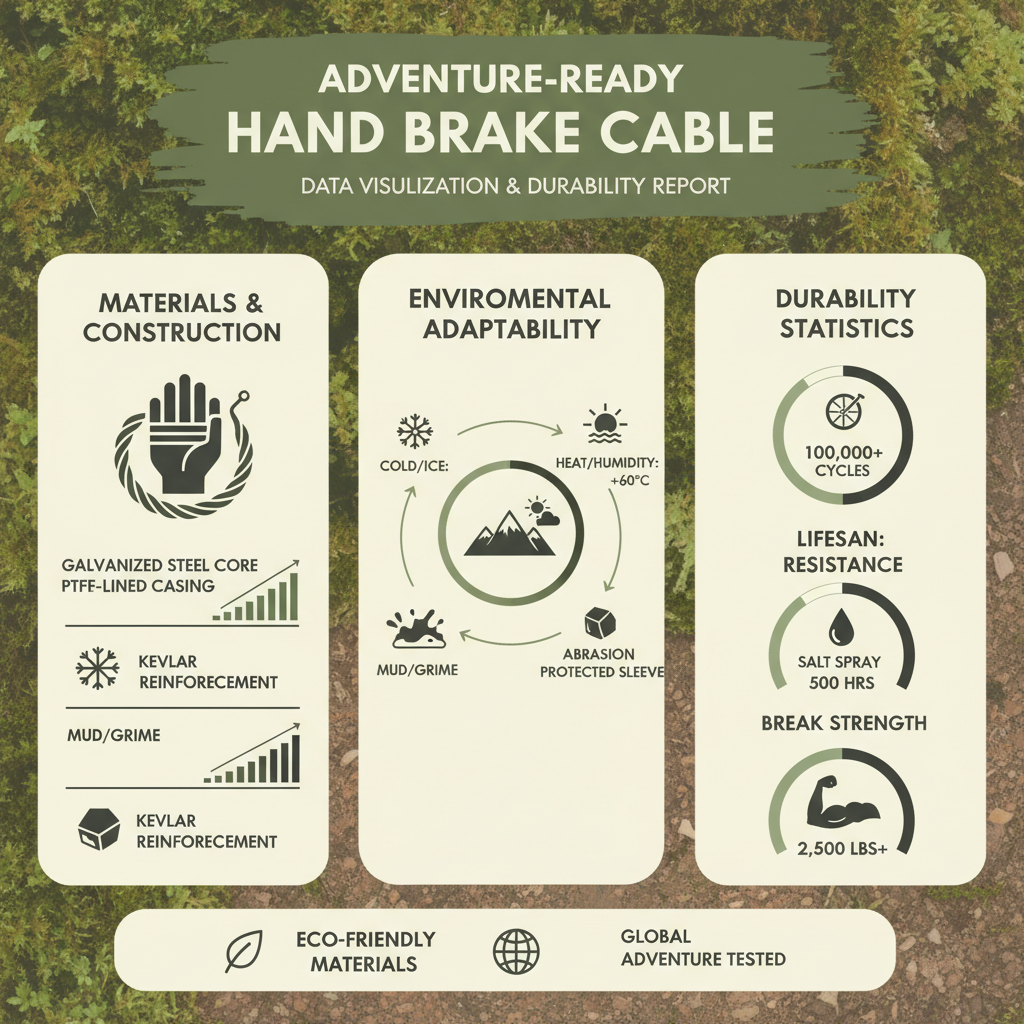
Hand brake wires are most commonly constructed from high-tensile steel cable, which is then often coated with materials like galvanized steel or PVC to enhance corrosion resistance. More advanced cables utilize stainless steel or specialized alloys for increased durability and performance. The sheath surrounding the cable is typically made from a flexible plastic or rubber compound.
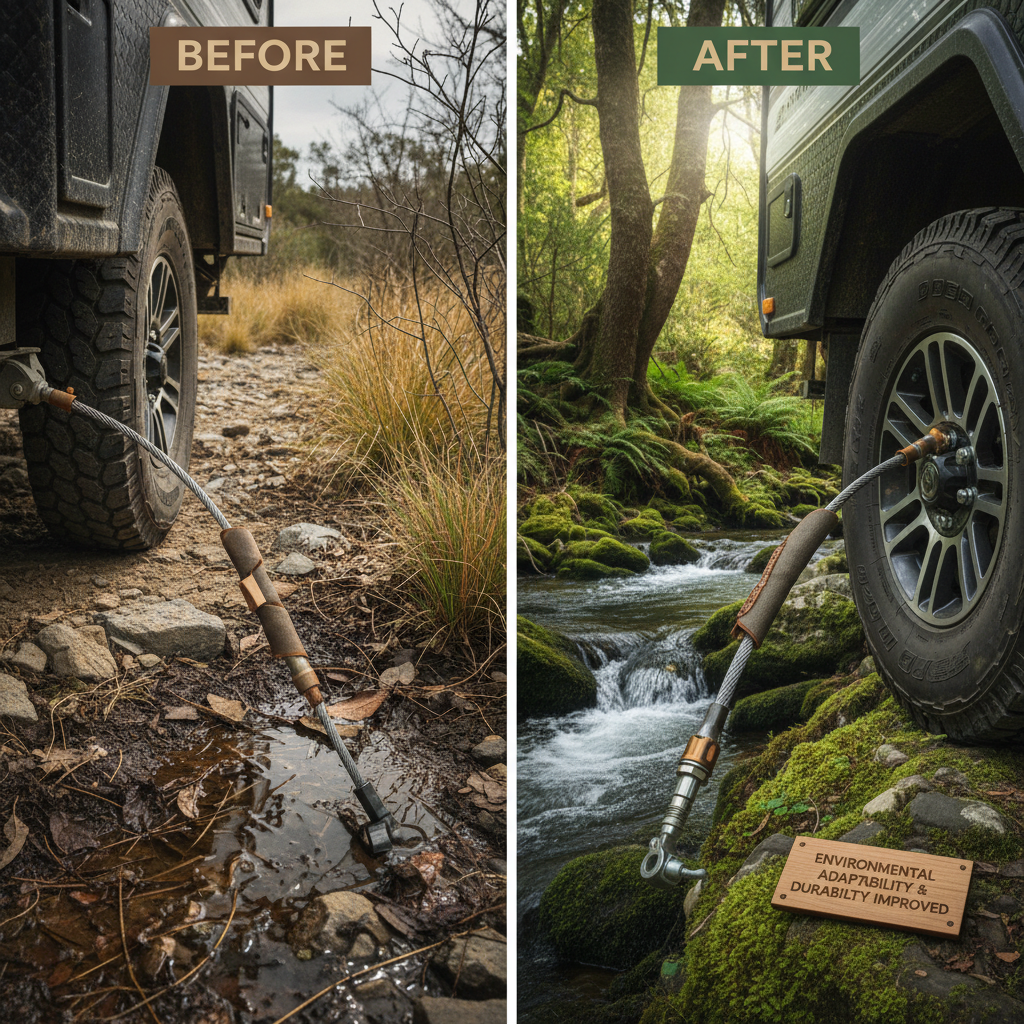
Environmental factors, such as exposure to road salt, moisture, and extreme temperatures, can significantly impact the lifespan of hand brake wire. Vehicles operating in coastal areas or regions with harsh winters are particularly susceptible to corrosion. Regular cleaning and lubrication can help mitigate these effects, but eventually, replacement may be necessary.
Electronic parking brakes (EPB) are increasingly common in modern vehicles and offer several advantages over traditional cable-operated systems. However, EPB systems still rely on mechanical components, such as calipers and actuators, to engage the brakes. While they eliminate the need for a hand brake lever and cable, they don’t completely remove the need for reliable braking components.
In conclusion, the hand brake wire, though often a subtle component, is a fundamental element of vehicle safety and functionality. Its durability, tensile strength, and corrosion resistance are paramount for reliable operation, ensuring driver control and preventing potential accidents. Understanding the key factors influencing its performance and recognizing the signs of wear and tear are essential for responsible vehicle ownership and maintenance.
Looking ahead, innovations in materials science and automotive technology promise further enhancements to hand brake systems. While electronic parking brakes are gaining prominence, the underlying principles of secure vehicle immobilization remain crucial. By prioritizing quality, regular inspection, and proactive maintenance, we can continue to rely on the hand brake wire—or its electronic equivalent—to safeguard ourselves and others on the road. For high-quality hand brake wire solutions, visit our website: www.hweicable.com.

 Afrikaans
 Albanian
 Amharic
 Arabic
 Armenian
 Azerbaijani
 Basque
 Belarusian
 Bengali
 Bosnian
 Bulgarian
 Catalan
 Cebuano
 Corsican
 Croatian
 Czech
Czech
 Danish
 Dutch
Dutch
 Esperanto
 Estonian
 Finnish
 French
 Frisian
 Galician
 Georgian
 German
 Greek
Greek
 Gujarati
 Haitian Creole
 Hausa
Hausa
 Hawaiian
 Hebrew
 Hindi
Hindi
 Miao
Miao
 Hungarian
 Icelandic
 Igbo
Igbo
 Indonesian
 Irish
Irish
 Italian
 Japanese
 Javanese
 Kannada
 Kazakh
 Khmer
Khmer
 Rwandese
 Korean
 Kurdish
 Kyrgyz
 Lao
Lao
 Latin
Latin
 Latvian
 Lithuanian
 Luxembourgish
 Macedonian
 Malgashi
 Malay
Malay
 Malayalam
 Maltese
 Maori
Maori
 Marathi
 Mongolian
 Myanmar
 Nepali
 Norwegian
 Norwegian
 Occitan
 Pashto
 Persian
 Polish
 Portuguese
 Punjabi
 Romanian
 Russian
 Samoan
 Scottish Gaelic
 Serbian
 Sesotho
 Shona
Shona
 Sindhi
 Sinhala
 Slovak
 Slovenian
 Somali
 Spanish
 Sundanese
 Swahili
 Swedish
 Tagalog
 Tajik
Tajik
 Tamil
Tamil
 Tatar
Tatar
 Telugu
 Thai
Thai
 Turkish
 Turkmen
 Ukrainian
 Urdu
Urdu
 Uighur
 Uzbek
Uzbek
 Vietnamese
 Welsh
Welsh
 Bantu
Bantu
 Yiddish
 Yoruba
 Zulu
Zulu
 English