
Comprehensive Guide to Small Engine Throttle Cable Function and Replacement
Understanding Small Engine Throttle Cables: A Comprehensive Guide
A properly functioning small engine throttle cable is crucial for the smooth operation of your outdoor power equipment. From lawnmowers and chainsaws to snowblowers and generators, the throttle cable directly impacts engine speed and performance. This article delves into the intricacies of these cables, covering their function, common issues, how to choose the right cable, and where to source high-quality replacements. Maintaining a well-maintained throttle cable ensures your equipment runs efficiently and safely.
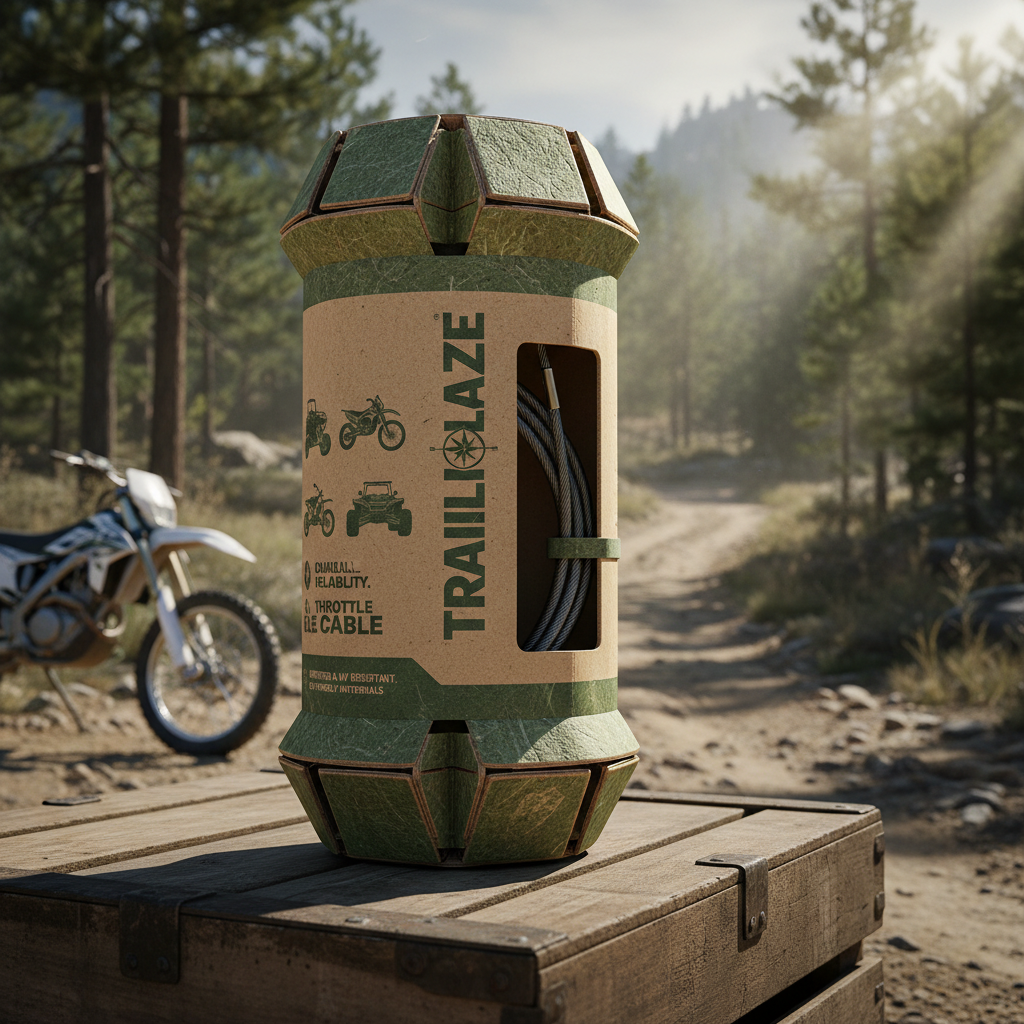
The Function of a Small Engine Throttle Cable
The small engine throttle cable acts as a mechanical link between the throttle control lever (typically located on the engine handle) and the carburetor. When you move the throttle lever, the cable transmits this motion to the carburetor, controlling the amount of fuel and air mixture entering the engine. A correctly adjusted cable ensures a responsive and consistent engine speed. Different types of cables exist, including those with flexible housings and inner wires, designed to withstand the vibrations and stresses of small engine operation. A damaged or misadjusted cable can lead to erratic engine behavior, reduced power, and even complete engine failure.
Identifying Common Throttle Cable Issues
Several issues can arise with small engine throttle cables over time. These include fraying or breaking of the inner wire, a sticking or binding cable within its housing, a loose or damaged connector at either end, and a stretched cable resulting in inaccurate throttle control. Symptoms of these issues include difficulty starting the engine, inconsistent engine speed, a throttle lever that feels loose or unresponsive, and engine surging or stalling. Regular inspection of the cable for signs of wear and tear can help prevent more serious problems.
Key Symptoms of a Faulty Throttle Cable: Difficulty starting, inconsistent engine speed, loose throttle lever, engine surging or stalling.
Choosing the Right Small Engine Throttle Cable
Selecting the correct throttle cable is essential for ensuring proper fit and function. Key factors to consider include the cable length, the type of connectors at each end, and the cable diameter. Measure the existing cable carefully before ordering a replacement. Check the connector type (e.g., boot, Z-bend, straight end) and ensure the new cable has the same configuration. Using a cable that is too short or has incorrect connectors will prevent proper operation. HWEICable offers a wide range of throttle cables to fit various engine models and applications.
Key Considerations When Choosing a Throttle Cable:
• Cable Length
• Connector Type
• Cable Diameter
• Engine Model Compatibility
Throttle Cable Materials and Construction: A Comparison
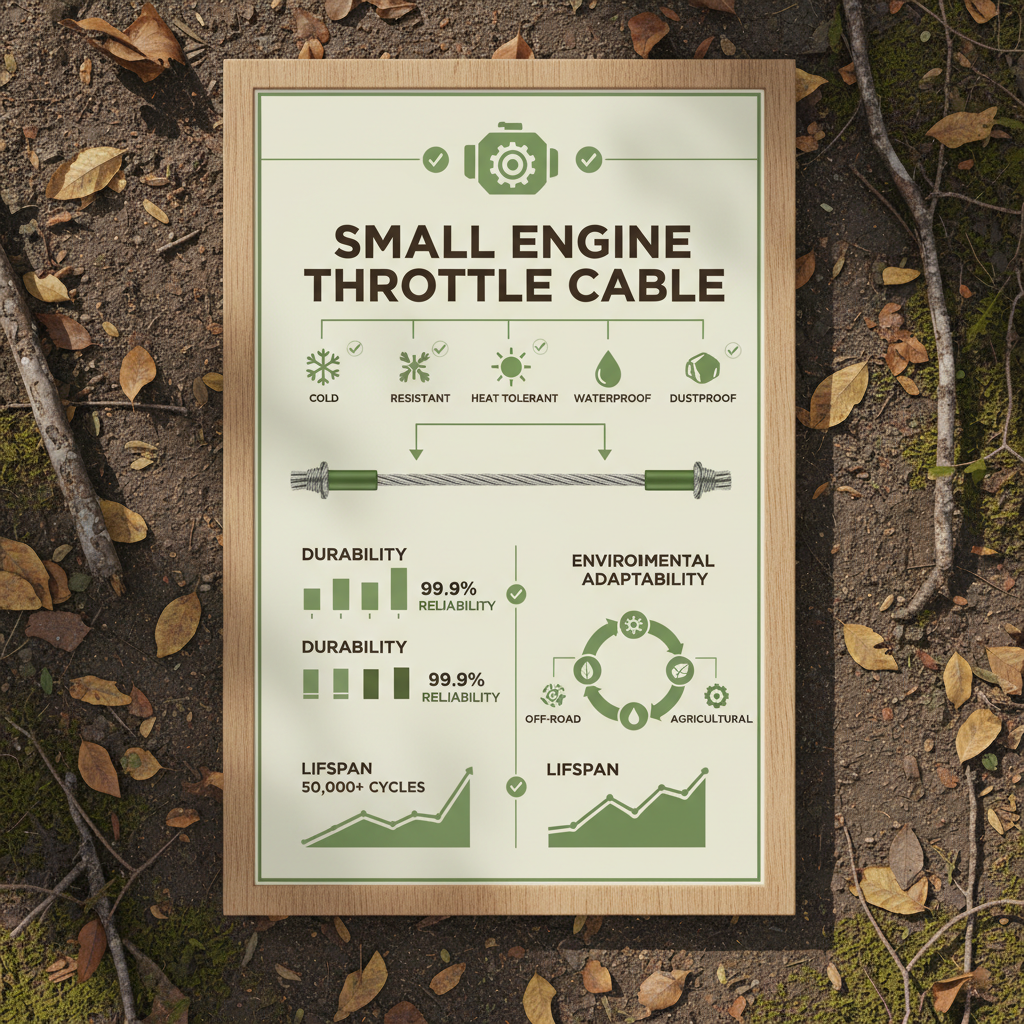
Throttle cables are typically constructed from a combination of materials. The inner wire is often made of high-strength steel for durability and resistance to stretching. The outer housing is commonly made of flexible plastic or a composite material to protect the wire and allow for smooth movement. The quality of these materials significantly impacts the cable's lifespan and performance. Cables with stainless steel wires offer enhanced corrosion resistance, making them ideal for use in harsh environments. Here's a comparative look:
Where to Source High-Quality Throttle Cables
When replacing your small engine throttle cable, it's crucial to choose a reputable supplier. HWEICable specializes in providing high-quality throttle cables and other small engine parts. We offer a comprehensive selection of cables to fit a wide range of engine brands and models. Our cables are manufactured to strict quality standards, ensuring durability and reliable performance. We are committed to providing excellent customer service and fast shipping.
Conclusion: Keeping Your Engine Running Smoothly
Investing in a quality small engine throttle cable from a trusted supplier like HWEICable is essential for maintaining the performance and longevity of your outdoor power equipment. By understanding the function of the cable, recognizing common issues, and choosing the right replacement, you can ensure your engine operates smoothly and efficiently for years to come.
Frequently Asked Questions (FAQs)
How often should I replace my throttle cable?
The lifespan of a throttle cable varies depending on usage and environmental conditions. However, as a general guideline, it's a good practice to inspect the cable annually and replace it every 2-3 years, or sooner if you notice any signs of wear or damage. Regular lubrication of the cable can also help extend its lifespan. If you operate your equipment in harsh conditions, such as dusty or wet environments, more frequent inspection and replacement may be necessary.
Can I repair a damaged throttle cable?
While minor issues like a slightly bent connector might be repairable, it's generally not recommended to attempt significant repairs on a throttle cable. The inner wire is prone to fraying, and even a small break can compromise the cable's function and create a safety hazard. Replacing the entire cable is the safest and most reliable solution. Attempting a repair could lead to further complications and potential engine damage.
How do I adjust a new throttle cable?
Adjusting a new throttle cable typically involves loosening the lock nut on the carburetor end of the cable, then carefully adjusting the cable tension until the engine responds smoothly to the throttle lever. Ensure there is a small amount of slack in the cable when the throttle lever is in the idle position. Once the tension is correct, tighten the lock nut to secure the adjustment. Refer to your engine's service manual for specific instructions and torque specifications. Improper adjustment can lead to engine issues.
What are the signs that my throttle cable needs lubrication?
If the throttle lever feels stiff or difficult to move, or if you notice a clicking or binding sensation when operating the throttle, it may be time to lubricate the cable. Rust and dirt accumulation within the cable housing can cause friction and impede smooth operation. Using a cable lubricant specifically designed for small engines can help restore proper function and extend the cable's lifespan. Regular lubrication is a simple preventative measure that can save you from costly repairs.
-
High Performance Throttle Cable Linkage for Precision MachineryNewsApr.16,2026
-
Ultimate Guide to Choosing a Quality carburetor throttle cableNewsApr.09,2026
-
Comprehensive Guide to the Dual Cable Throttle Assembly for Optimal PerformanceNewsApr.07,2026
-
The Importance of a Quality Throttle Cable Wire for Engine PerformanceNewsApr.04,2026
-
Understanding the Importance of a Manual Throttle Cable for Optimal PerformanceNewsMar.31,2026
-
Understanding the Critical Role of Throttle Rod Linkage in Engine PerformanceNewsMar.28,2026
 Afrikaans
 Albanian
 Amharic
 Arabic
 Armenian
 Azerbaijani
 Basque
 Belarusian
 Bengali
 Bosnian
 Bulgarian
 Catalan
 Cebuano
 Corsican
 Croatian
 Czech
Czech
 Danish
 Dutch
Dutch
 Esperanto
 Estonian
 Finnish
 French
 Frisian
 Galician
 Georgian
 German
 Greek
Greek
 Gujarati
 Haitian Creole
 Hausa
Hausa
 Hawaiian
 Hebrew
 Hindi
Hindi
 Miao
Miao
 Hungarian
 Icelandic
 Igbo
Igbo
 Indonesian
 Irish
Irish
 Italian
 Japanese
 Javanese
 Kannada
 Kazakh
 Khmer
Khmer
 Rwandese
 Korean
 Kurdish
 Kyrgyz
 Lao
Lao
 Latin
Latin
 Latvian
 Lithuanian
 Luxembourgish
 Macedonian
 Malgashi
 Malay
Malay
 Malayalam
 Maltese
 Maori
Maori
 Marathi
 Mongolian
 Myanmar
 Nepali
 Norwegian
 Norwegian
 Occitan
 Pashto
 Persian
 Polish
 Portuguese
 Punjabi
 Romanian
 Russian
 Samoan
 Scottish Gaelic
 Serbian
 Sesotho
 Shona
Shona
 Sindhi
 Sinhala
 Slovak
 Slovenian
 Somali
 Spanish
 Sundanese
 Swahili
 Swedish
 Tagalog
 Tajik
Tajik
 Tamil
Tamil
 Tatar
Tatar
 Telugu
 Thai
Thai
 Turkish
 Turkmen
 Ukrainian
 Urdu
Urdu
 Uighur
 Uzbek
Uzbek
 Vietnamese
 Welsh
Welsh
 Bantu
Bantu
 Yiddish
 Yoruba
 Zulu
Zulu
 English