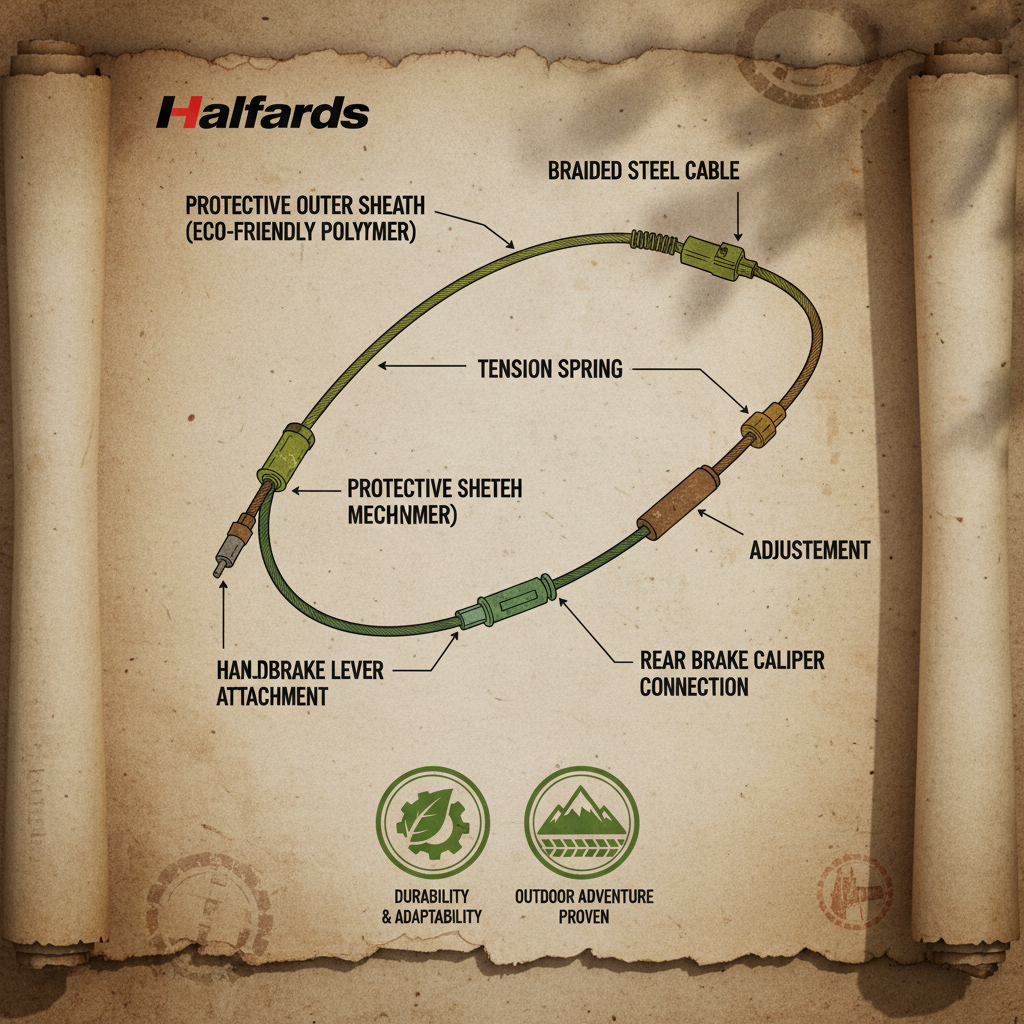
In the complex ecosystem of automotive transmission systems, the gear shift cable serves as the critical mechanical link between the driver's intent and the vehicle's action. This precision component translates the physical movement of the gear lever into the precise shifting of gears within the transmission, ensuring a seamless transition of power and speed. Without a high-performance cable system, the driving experience would be marred by vague shifting, instability, and potential mechanical failure.
Globally, the demand for high-durability transmission cables has surged as automotive manufacturers push for tighter tolerances and higher efficiency. Whether in a compact city car or a heavy-duty commercial truck, the reliability of the gear shift cable directly impacts vehicle safety and operational longevity. As we move toward more complex hybrid and automated manual transmissions, the engineering behind these cables must evolve to handle increased stress and environmental volatility.
Understanding the nuances of these components—from the tensile strength of the inner core to the friction-reducing properties of the outer conduit—is essential for engineers and procurement specialists alike. By focusing on the synergy between material science and mechanical design, manufacturers can reduce maintenance costs and enhance the overall driver experience. This guide explores the technical depths and global applications of the modern shift selector system.
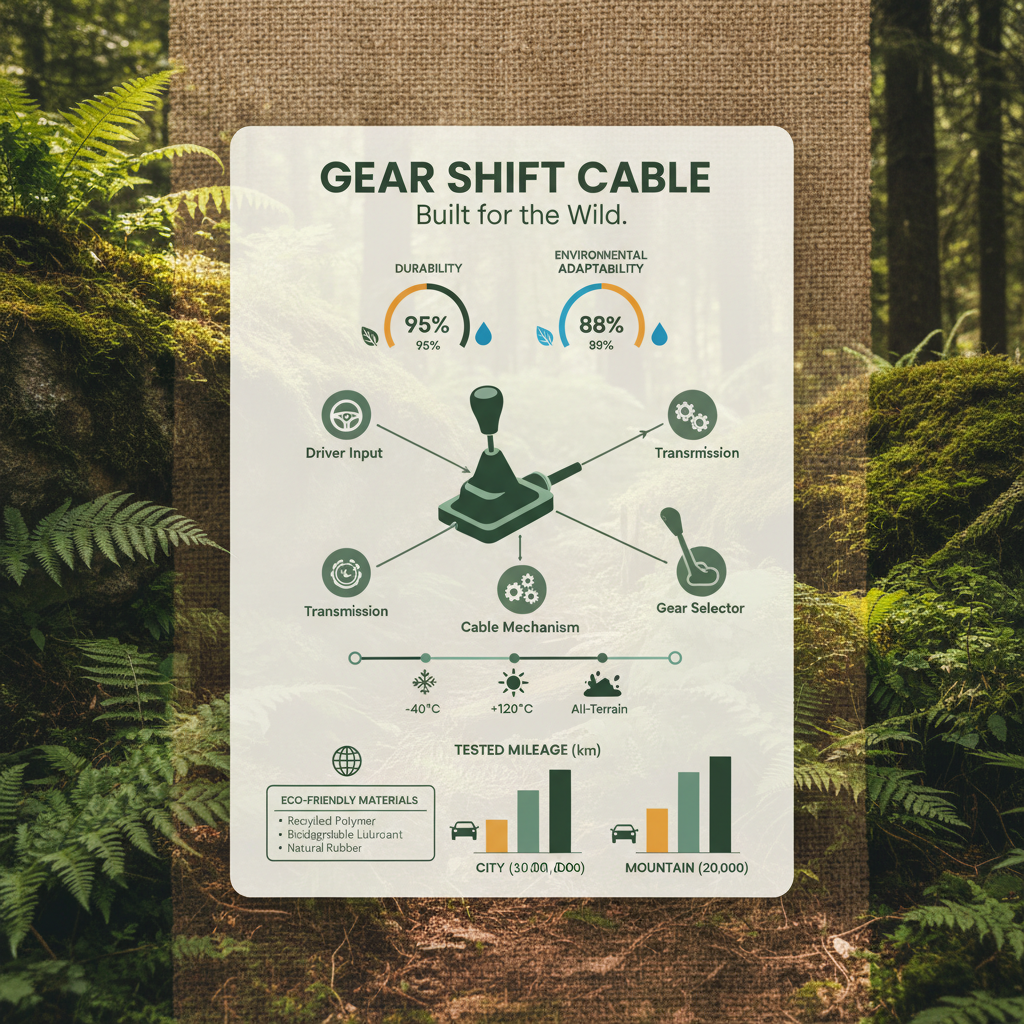
At its core, a gear shift cable is a sophisticated push-pull mechanism designed to transmit force over a distance. Unlike simple ropes, these cables must maintain absolute linearity and resistance to stretching to ensure that the gear lever's position corresponds exactly to the transmission's state. This precision is vital for preventing "gear clash" and ensuring that the vehicle enters the desired gear without hesitation or ambiguity.
In the modern automotive layout, where the engine and transmission are often located far from the cabin, these cables replace heavy, rigid linkages. This shift to flexible cabling has allowed designers more freedom in cockpit ergonomics and has significantly reduced the noise, vibration, and harshness (NVH) transferred from the drivetrain to the driver.
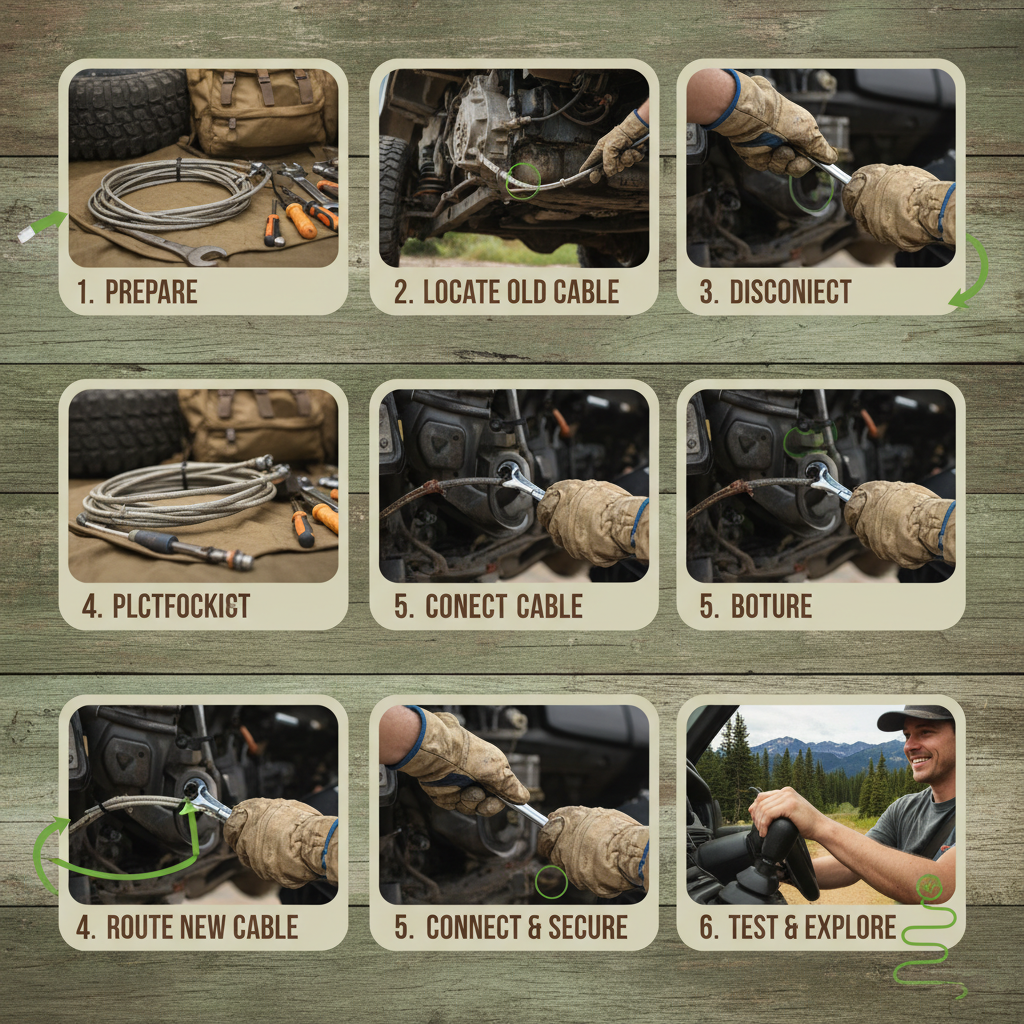
Common signs include a "loose" or vague feeling in the gear lever, difficulty engaging specific gears (especially reverse or first), or the lever not returning to its centered position. If you notice an increase in the effort required to shift or hear grinding noises, it is likely that the gear shift cable has stretched or the internal lubricant has degraded, necessitating an inspection or replacement.
Yes, PTFE (Teflon) liners significantly reduce the coefficient of friction between the inner cable and the outer housing. This results in a smoother shifting action, less wear and tear on the cable core, and better performance in extreme temperatures. While more expensive, they offer a much higher "feel" quality and longer service life compared to traditional non-lined cables.
Due to the safety-critical nature of the transmission system, it is strongly recommended to replace the entire gear shift cable assembly rather than attempting a repair. Patching a frayed cable or replacing only a section of the conduit can introduce weak points and inconsistent tension, which may lead to gear misalignment or sudden failure while driving.
Salt and humidity accelerate the oxidation of the steel core, leading to rust and eventual brittleness. This is why professional-grade cables use galvanized coatings or polymer shells. In coastal or snowy regions, using a high-quality gear shift cable with superior corrosion resistance is essential to prevent the cable from seizing within its housing.
A standard pull cable only transmits force in one direction. A push-pull cable, like the one used for gear shifting, features a rigid inner core that can transmit force in both directions. This allows the cable to both push the selector arm into gear and pull it back, which is fundamental for the bidirectional movement of a gear shifter.
For commercial fleets with high mileage, we recommend a visual and tactile inspection every 20,000 to 50,000 miles. Technicians should check for signs of outer sheath cracking, cable slack, or lubrication leakage. Proactive replacement based on wear patterns prevents unplanned downtime and ensures driver safety across the fleet.
The gear shift cable remains an indispensable component of the automotive drivetrain, bridging the gap between driver control and mechanical execution. From the careful selection of high-carbon alloys to the implementation of low-friction PTFE liners, every design choice contributes to the safety, efficiency, and tactile quality of the vehicle. By balancing durability with precision, manufacturers can ensure that vehicles operate reliably across a vast range of global environments and industrial applications.
Looking forward, the integration of smart materials and fail-safe mechanical designs will continue to elevate the standards of shift selection technology. Whether you are managing a commercial fleet or designing the next generation of hybrid vehicles, prioritizing the quality of your transmission cables is a direct investment in vehicle longevity and passenger safety. We invite you to explore our range of precision-engineered solutions to keep your vehicles moving forward. Visit our website: www.hweicable.com

 Afrikaans
 Albanian
 Amharic
 Arabic
 Armenian
 Azerbaijani
 Basque
 Belarusian
 Bengali
 Bosnian
 Bulgarian
 Catalan
 Cebuano
 Corsican
 Croatian
 Czech
Czech
 Danish
 Dutch
Dutch
 Esperanto
 Estonian
 Finnish
 French
 Frisian
 Galician
 Georgian
 German
 Greek
Greek
 Gujarati
 Haitian Creole
 Hausa
Hausa
 Hawaiian
 Hebrew
 Hindi
Hindi
 Miao
Miao
 Hungarian
 Icelandic
 Igbo
Igbo
 Indonesian
 Irish
Irish
 Italian
 Japanese
 Javanese
 Kannada
 Kazakh
 Khmer
Khmer
 Rwandese
 Korean
 Kurdish
 Kyrgyz
 Lao
Lao
 Latin
Latin
 Latvian
 Lithuanian
 Luxembourgish
 Macedonian
 Malgashi
 Malay
Malay
 Malayalam
 Maltese
 Maori
Maori
 Marathi
 Mongolian
 Myanmar
 Nepali
 Norwegian
 Norwegian
 Occitan
 Pashto
 Persian
 Polish
 Portuguese
 Punjabi
 Romanian
 Russian
 Samoan
 Scottish Gaelic
 Serbian
 Sesotho
 Shona
Shona
 Sindhi
 Sinhala
 Slovak
 Slovenian
 Somali
 Spanish
 Sundanese
 Swahili
 Swedish
 Tagalog
 Tajik
Tajik
 Tamil
Tamil
 Tatar
Tatar
 Telugu
 Thai
Thai
 Turkish
 Turkmen
 Ukrainian
 Urdu
Urdu
 Uighur
 Uzbek
Uzbek
 Vietnamese
 Welsh
Welsh
 Bantu
Bantu
 Yiddish
 Yoruba
 Zulu
Zulu
 English