
Premium universal handbrake cable Solutions for Ecuador's Automotive Market

Engineering high-durability control cables designed to withstand the diverse terrains and climatic challenges of the Ecuadorian automotive sector.

Premium universal handbrake cable Solutions for Ecuador's Automotive Market

Providing high-precision braking and transmission cable assemblies tailored for the rugged demands of South American vehicle fleets.

Automotive Cable Infrastructure in Ecuador

Analyzing the impact of geography and climate on braking system longevity.

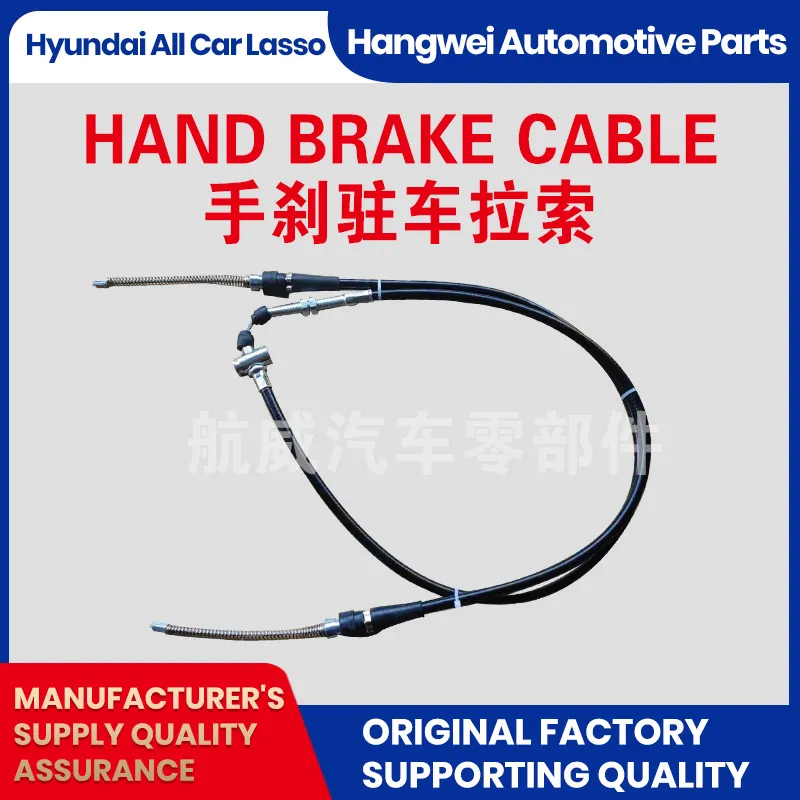
In Ecuador, the automotive landscape is defined by extreme topographical variance, from the high-altitude Andean peaks to the humid coastal regions. This environment places immense stress on a vehicle's hand brake cable, where rapid temperature fluctuations can cause material contraction and expansion, leading to premature wear and cable slack.

The prevalence of mixed urban-rural driving patterns in cities like Quito and Guayaquil necessitates a high reliance on robust ebrake cable systems. The salty air in coastal regions further accelerates the oxidation of steel cores, making corrosion-resistant coatings a non-negotiable requirement for local distributors.

Consequently, there is a growing market demand for handbrake cables made to order that can be customized to fit a wide variety of aging fleet vehicles and modern imports, ensuring safety and reliability across the country's complex road networks.

Evolution of Transmission and Braking Control

From basic mechanical linkages to precision-engineered automotive cables.

Market Development History

During the late 20th century, the Ecuadorian market relied heavily on standardized, generic mechanical cables. These early versions lacked specialized lubrication and protective outer shells, resulting in frequent failures under the heavy loads required for mountain parking.

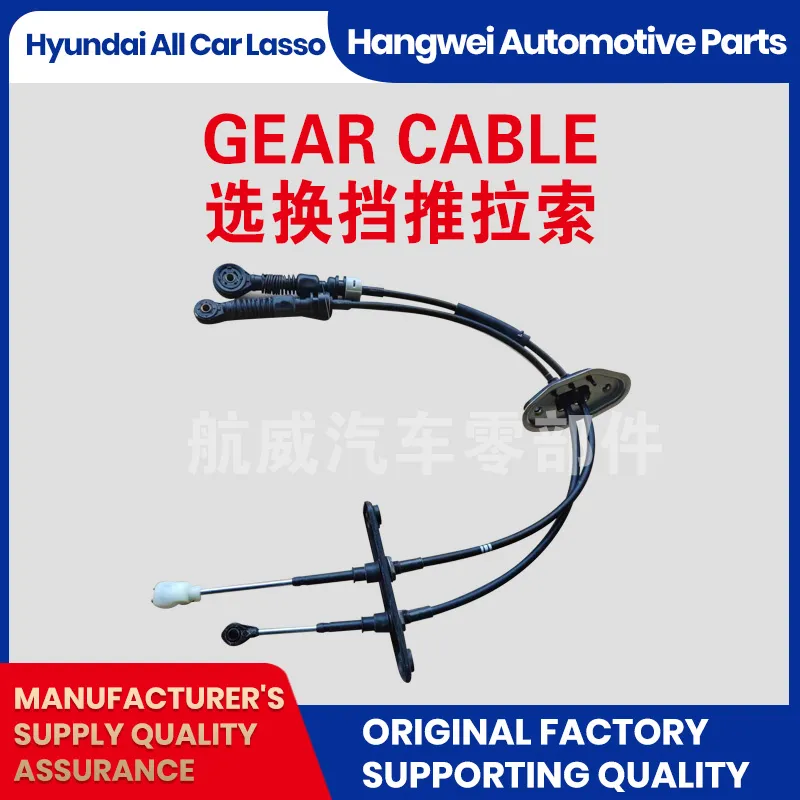
By the 2010s, a technical shift occurred toward high-tensile steel alloys. The introduction of the shift selector cable evolved to provide smoother gear transitions, reducing wear on the transmission housing—a critical upgrade for vehicles navigating steep Andean inclines.

In the current era, the focus has shifted toward integrated material science, utilizing low-friction polymers and galvanized steel to extend the service life of braking systems in tropical climates.

Future Development Trends

Hybrid-Material Integration

The industry is moving toward blending stainless steel with synthetic fibers to reduce weight while maintaining the tensile strength required for heavy-duty braking.

Precision Customization

Increasing demand for bespoke lengths and fitting configurations to support the diverse range of vehicle modifications common in the local transport sector.

Eco-Friendly Lubrication

Transitioning to biodegradable internal lubricants that maintain performance without contaminating the environment during cable degradation.

Future Trends and Strategic Outlook

Predicting the trajectory of automotive cable technology for the next 5 years.

Advanced Corrosion Resistance
Implementation of multi-layer polymer coatings to prevent saline air intrusion in coastal Ecuadorian cities.
Smart Tension Calibration
Development of cables with built-in tension indicators to simplify maintenance for local mechanics.
Modular Design Systems
Rapid deployment of universal fitting components to reduce vehicle downtime in logistics hubs.
Sustainability focus
Use of recycled high-strength steel to meet emerging environmental regulations in South America.

Industry Outlook

Google search trends indicate a rising interest in "heavy-duty vehicle maintenance" and "replacement braking components" across Ecuador, suggesting a shift from simple repair to proactive component upgrading.

We anticipate that within 3-5 years, the market will pivot toward fully integrated cable systems that combine the functions of shifting and braking with sensors for predictive failure alerts, drastically increasing road safety.

Localized Application Scenarios in Ecuador

Real-world deployment of high-performance cables in diverse Ecuadorian conditions.

01. Andean Mountain Logistics

Heavy-duty trucks transporting goods between Quito and Guayaquil require reinforced hand brake cable systems to ensure secure parking on steep gradients during long hauls.

02. Coastal Fishing Fleet Vehicles

Vehicles operating in Manta's salty air demand specialized coatings on their braking cables to prevent rapid oxidation and seizure of the mechanical linkage.

03. Urban Ride-Sharing Fleets

High-frequency stop-and-go traffic in dense city centers leads to rapid wear of the shift selector cable, requiring high-cycle durability components.

04. Agricultural Transport in the Oriente

Off-road utility vehicles in the Amazon basin use universal handbrake cable options to allow for quick field repairs and cross-model compatibility.

05. Custom Fleet Retrofitting

Local workshops specializing in vehicle modifications utilize handbrake cables made to order to adapt imported chassis to local safety specifications.

Brand Story

Global Development Journey of Qinghe Hangwei Automotive Parts Co., Ltd.

Foundational Precision

Started with a mission to solve the critical failure points in mechanical control cables, focusing on metallurgy and friction reduction.

Technological Expansion

Invested in automated winding and precision cutting technology to ensure micron-level accuracy for every cable assembly.

Global Market Entry

Expanded operations to serve South American markets, tailoring products to withstand extreme humidity and altitude.

Quality Standardization

Achieved international certifications, ensuring that every component meets the highest safety standards for automotive braking.

Future-Ready Innovation

Currently developing the next generation of smart cables to support the transition toward electric and autonomous mobility.

Comprehensive Control Cable Portfolio for Ecuador

From universal fits to bespoke engineering, we cover every automotive requirement.

Frequently Asked Questions - Ecuador Market

Expert answers to common technical queries regarding automotive cables.

How often should a hand brake cable be inspected in mountainous regions like Quito?

Due to the high frequency of use on steep inclines, we recommend inspecting the cable every 6 months for stretching or fraying to ensure maximum safety.

Can I use a universal handbrake cable for any vehicle model?

While universal cables are designed for broad compatibility, precise fitment may require minor adjustments. For critical safety applications, we suggest verified OEM specifications.

What is the lead time for handbrake cables made to order?

Depending on the complexity of the custom specifications, lead times typically range from 15 to 30 days, including precision quality testing.

How do I identify a failing shift selector cable before it breaks?

Common signs include "loose" gear shifts, difficulty engaging specific gears, or a noticeable increase in effort required to move the shift lever.

Are your ebrake cables resistant to coastal saltwater corrosion?

Yes, our cables for the Ecuadorian coastal market feature specialized galvanized coatings and polymer jackets to block salt-air penetration.

What material is used in your high-tensile automotive cables?

We use a combination of high-carbon steel and stainless steel alloys, precision-drawn to ensure consistent tensile strength and minimal elasticity.

Ready to Optimize Your Fleet's Safety?

Our engineering team is ready to provide high-precision cable solutions tailored for the automotive industry in Ecuador.

Contact Us Now

If you are interested in our products, you can choose to leave your information here, and we will be in touch with you shortly.