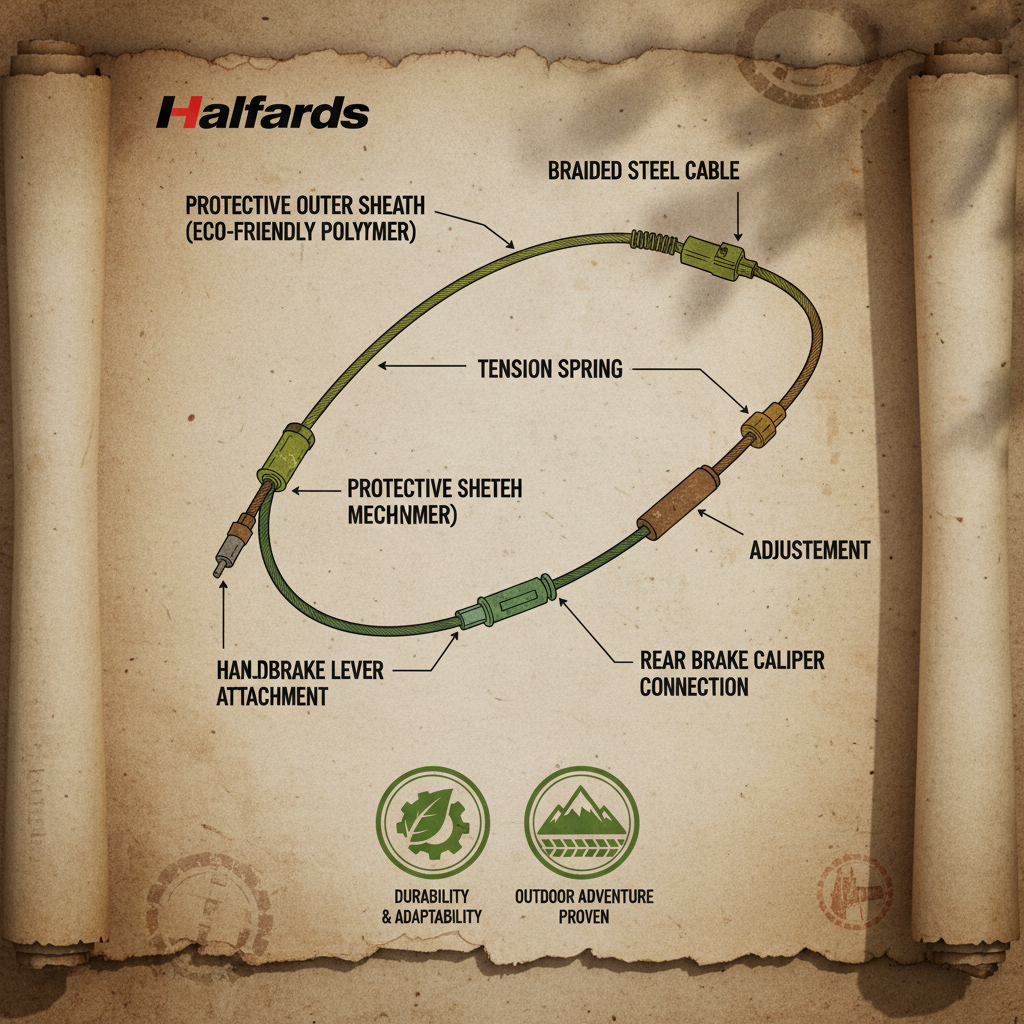
The caravan handbrake cable, a seemingly simple component, plays a crucial role in ensuring the safety and stability of towed caravans. Its function extends beyond merely stopping the caravan; it’s a fundamental element in preventing runaway situations and maintaining control during transit. Understanding the intricacies of this cable – its construction, maintenance, and potential failure points – is paramount for responsible caravan ownership and safe travel. The global rise in caravanning as a leisure activity and, increasingly, as a form of flexible living, necessitates a heightened awareness of all safety aspects, with the handbrake cable consistently at the forefront.
Globally, the recreational vehicle (RV) industry is experiencing substantial growth. According to the RV Industry Association, shipments in North America alone reached record levels in recent years. Similar trends are observed in Europe and Australia, fueled by a desire for independent travel and exploration. This surge in caravan usage directly correlates with an increased demand for reliable safety components like the caravan handbrake cable. The UN World Tourism Organization reports consistent growth in tourism, with road travel constituting a significant portion, thereby underlining the necessity for robust and standardized safety features across all towed vehicles.
The demand for durable and reliable caravan components is also influenced by international safety standards, such as those set by ISO and European Whole Vehicle Type Approval (WVTA) regulations. These standards drive manufacturers to prioritize quality and implement rigorous testing procedures, ensuring that components like the handbrake cable meet stringent performance criteria. Ignoring the importance of this component poses a significant risk, potentially leading to accidents, injuries, and even fatalities, thus highlighting the global relevance of understanding and maintaining a functioning caravan handbrake cable.
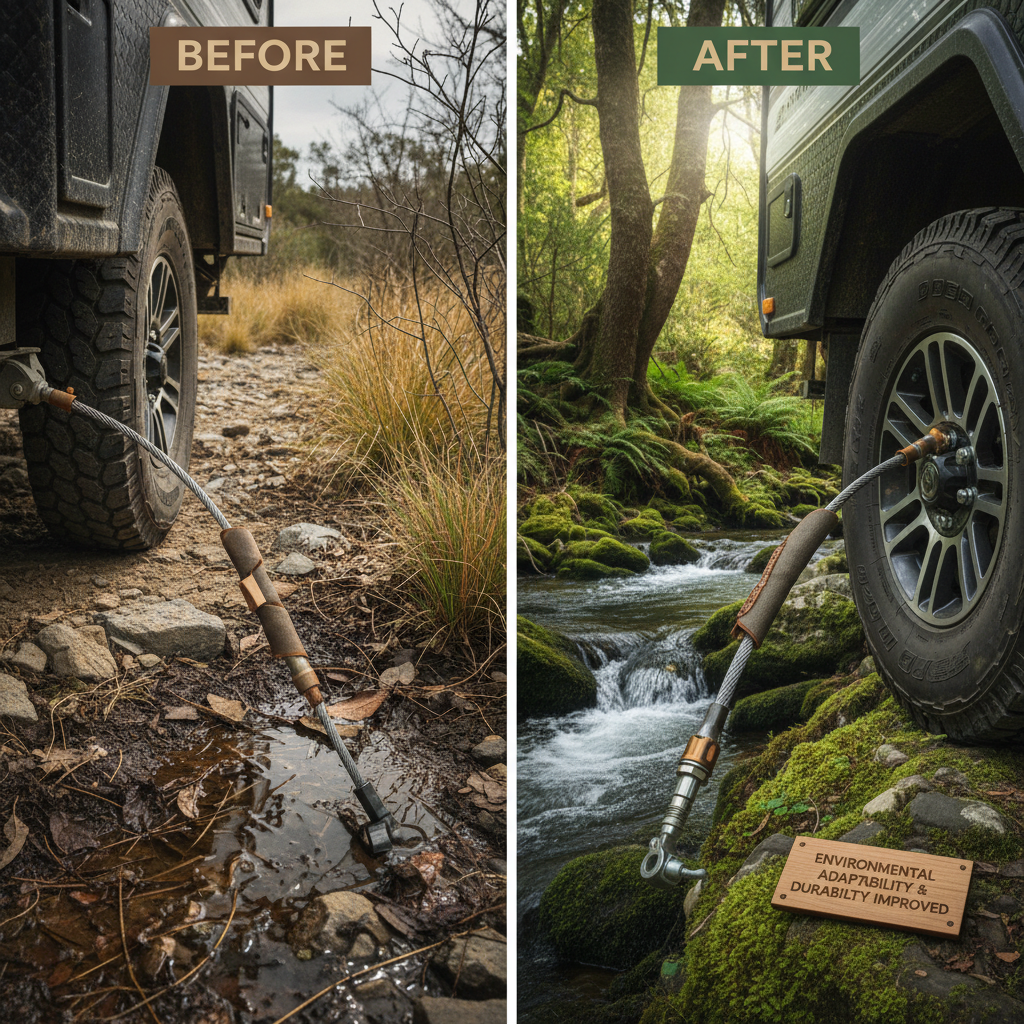

A caravan handbrake cable is a mechanical linkage that transmits the braking force from the caravan’s handbrake lever to the caravan’s wheels. Essentially, it's the connection that allows the caravan’s brakes to be applied independently of the towing vehicle. This is crucial for securing the caravan when parked, preventing rollaway, and providing an emergency braking system. It typically consists of a steel cable housed within a protective sheath, connected at either end to the handbrake mechanism and the caravan’s brake actuators.
Its importance extends beyond simple braking. In modern caravanning, the handbrake cable is vital for maintaining stability, especially on inclines. A functioning cable ensures that the caravan remains securely anchored, preventing potentially dangerous situations. The cable directly relates to modern safety standards and legal requirements for caravan operation, emphasizing its indispensable role in responsible and compliant travel. A properly functioning caravan handbrake cable is not just a convenience; it's a legal necessity and a fundamental safety feature.
It's recommended to visually inspect your caravan handbrake cable at least every 6 months, or before any long journey. Look for signs of corrosion, fraying, or damage to the sheath. If you notice anything concerning, have it inspected and potentially replaced by a qualified mechanic. Regular checks are a vital part of caravan maintenance and contribute significantly to overall safety. Don't neglect this crucial component as it’s a first line of defense against runaway incidents.
Use a silicone-based lubricant specifically designed for cables. Avoid oil-based lubricants, as they can attract dirt and grime. Apply the lubricant directly to the cable inside the sheath, working it back and forth to ensure even distribution. A cable lubricator tool can be particularly helpful for this process. Ensure the lubricant doesn't contaminate the brake surfaces; wipe away any excess.
While it’s possible for experienced DIYers to replace a caravan handbrake cable, it’s generally recommended to have it done by a qualified mechanic. Proper installation and adjustment are critical for ensuring the handbrake functions correctly. Incorrectly installed cables can be dangerous and compromise the safety of your caravan. If you’re unsure about any aspect of the process, seek professional assistance.
Several signs suggest a cable replacement is needed. These include visible fraying or corrosion, difficulty in applying the handbrake, a handbrake lever that travels further than usual, or any clicking or grinding sounds when operating the handbrake. If the cable feels stiff or unresponsive, it's likely nearing the end of its lifespan and should be replaced. Don’t delay replacement as a failing cable poses a significant safety risk.
Yes, there’s a significant difference in quality. Cables made from higher-grade steel, with better protective coatings, and more robust connectors will last longer and perform more reliably. Cheaper cables may be more prone to corrosion, fraying, and failure. Investing in a high-quality cable from a reputable manufacturer is a worthwhile investment in your safety and peace of mind. Look for cables that meet relevant industry standards.
The weight of your caravan (specifically the Gross Vehicle Mass - GVM) directly determines the required strength of the handbrake cable. Heavier caravans require cables with higher tensile strength to ensure adequate stopping power. Always consult your caravan manufacturer’s specifications to determine the correct cable rating for your vehicle. Using an undersized cable can lead to brake failure and a dangerous situation.
In conclusion, the caravan handbrake cable, despite its relatively simple design, is a critical safety component. Understanding its construction, recognizing the signs of wear and tear, and prioritizing regular maintenance are paramount for ensuring safe and reliable caravan travel. The global rise in caravanning underscores the importance of adhering to safety standards and investing in high-quality components.
Looking ahead, innovations in materials and sensor technology promise to further enhance the performance and reliability of caravan handbrake cables. By proactively addressing potential challenges and embracing these advancements, we can continue to improve the safety and enjoyment of caravanning for enthusiasts worldwide. For a wide range of caravan components, including high-quality handbrake cables, visit our website: www.hweicable.com

 Afrikaans
 Albanian
 Amharic
 Arabic
 Armenian
 Azerbaijani
 Basque
 Belarusian
 Bengali
 Bosnian
 Bulgarian
 Catalan
 Cebuano
 Corsican
 Croatian
 Czech
Czech
 Danish
 Dutch
Dutch
 Esperanto
 Estonian
 Finnish
 French
 Frisian
 Galician
 Georgian
 German
 Greek
Greek
 Gujarati
 Haitian Creole
 Hausa
Hausa
 Hawaiian
 Hebrew
 Hindi
Hindi
 Miao
Miao
 Hungarian
 Icelandic
 Igbo
Igbo
 Indonesian
 Irish
Irish
 Italian
 Japanese
 Javanese
 Kannada
 Kazakh
 Khmer
Khmer
 Rwandese
 Korean
 Kurdish
 Kyrgyz
 Lao
Lao
 Latin
Latin
 Latvian
 Lithuanian
 Luxembourgish
 Macedonian
 Malgashi
 Malay
Malay
 Malayalam
 Maltese
 Maori
Maori
 Marathi
 Mongolian
 Myanmar
 Nepali
 Norwegian
 Norwegian
 Occitan
 Pashto
 Persian
 Polish
 Portuguese
 Punjabi
 Romanian
 Russian
 Samoan
 Scottish Gaelic
 Serbian
 Sesotho
 Shona
Shona
 Sindhi
 Sinhala
 Slovak
 Slovenian
 Somali
 Spanish
 Sundanese
 Swahili
 Swedish
 Tagalog
 Tajik
Tajik
 Tamil
Tamil
 Tatar
Tatar
 Telugu
 Thai
Thai
 Turkish
 Turkmen
 Ukrainian
 Urdu
Urdu
 Uighur
 Uzbek
Uzbek
 Vietnamese
 Welsh
Welsh
 Bantu
Bantu
 Yiddish
 Yoruba
 Zulu
Zulu
 English