
Comprehensive Guide to SS Clutch Lines for Automotive and Industrial Use
Understanding the SS Clutch Line: A Comprehensive Guide
The SS clutch line is a critical component in many industrial and automotive applications. These lines are responsible for transmitting hydraulic pressure, enabling smooth and efficient clutch operation. Choosing the right SS clutch line is paramount for performance, reliability, and safety. This article will provide a detailed overview of SS clutch lines, covering their construction, applications, benefits, and selection criteria. We’ll explore the key factors to consider when sourcing these vital components to ensure optimal functionality within your systems.
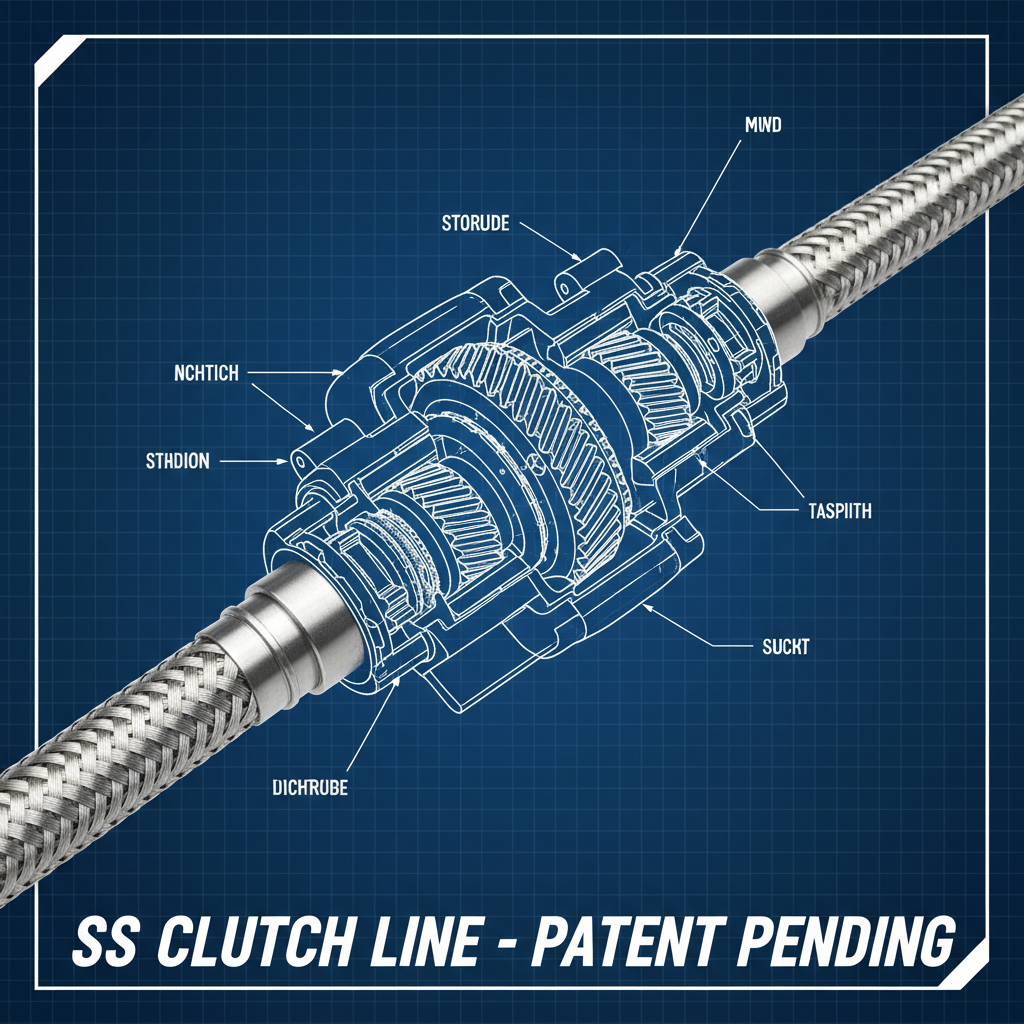
What is an SS Clutch Line?
An SS clutch line, short for stainless steel clutch line, is a flexible hose assembly designed to transfer hydraulic fluid between the master cylinder and the slave cylinder of a clutch system. Unlike traditional rubber hoses, SS clutch lines utilize a braided stainless steel exterior for increased strength, durability, and resistance to swelling and degradation. The core of the line typically consists of a PTFE (Teflon) inner tube, which is chemically inert and prevents fluid contamination. This construction ensures consistent pressure and precise clutch engagement. The use of stainless steel provides a significant upgrade over rubber, particularly in high-performance applications where consistent performance is essential.
Key Benefits: Enhanced durability, improved hydraulic efficiency, resistance to corrosion and swelling, and consistent performance under pressure.
Applications of SS Clutch Lines
SS clutch lines find widespread use in a variety of applications, most notably in the automotive and motorsport industries. They are commonly used in performance vehicles, racing cars, and off-road vehicles where precise clutch control and reliability are crucial. Beyond automotive, they are also utilized in industrial machinery, agricultural equipment, and hydraulic systems requiring robust and dependable fluid transfer. The superior performance of SS clutch lines translates to improved shifting feel, reduced pedal effort, and enhanced overall driving or operating experience. They're becoming increasingly popular as a direct replacement for rubber lines in vehicles seeking an upgrade in hydraulic performance.
Common Application Areas:
• Automotive Performance Upgrades
• Motorsport & Racing
• Industrial Hydraulic Systems
• Agricultural Machinery
SS Clutch Line vs. Rubber Clutch Line: A Detailed Comparison
The differences between SS clutch lines and traditional rubber lines are significant. Rubber lines are susceptible to swelling, cracking, and degradation over time due to exposure to heat, chemicals, and hydraulic fluid. This can lead to reduced hydraulic pressure, spongy pedal feel, and ultimately, clutch failure. SS clutch lines, on the other hand, offer superior durability, consistent performance, and resistance to these issues. While rubber lines are more cost-effective upfront, the long-term reliability and performance benefits of SS lines often outweigh the initial investment.
Choosing the Right SS Clutch Line: Key Considerations
Selecting the appropriate SS clutch line requires careful consideration of several factors. First, ensure the line is compatible with your vehicle's hydraulic fluid. Different fluids require different inner tube materials to prevent degradation. Secondly, consider the length and routing of the line to ensure a proper fit and avoid kinks or obstructions. Thirdly, look for lines with high-quality fittings, as these are critical for leak-proof connections. Finally, choose a reputable manufacturer like HWEI Cable to ensure consistent quality and performance.
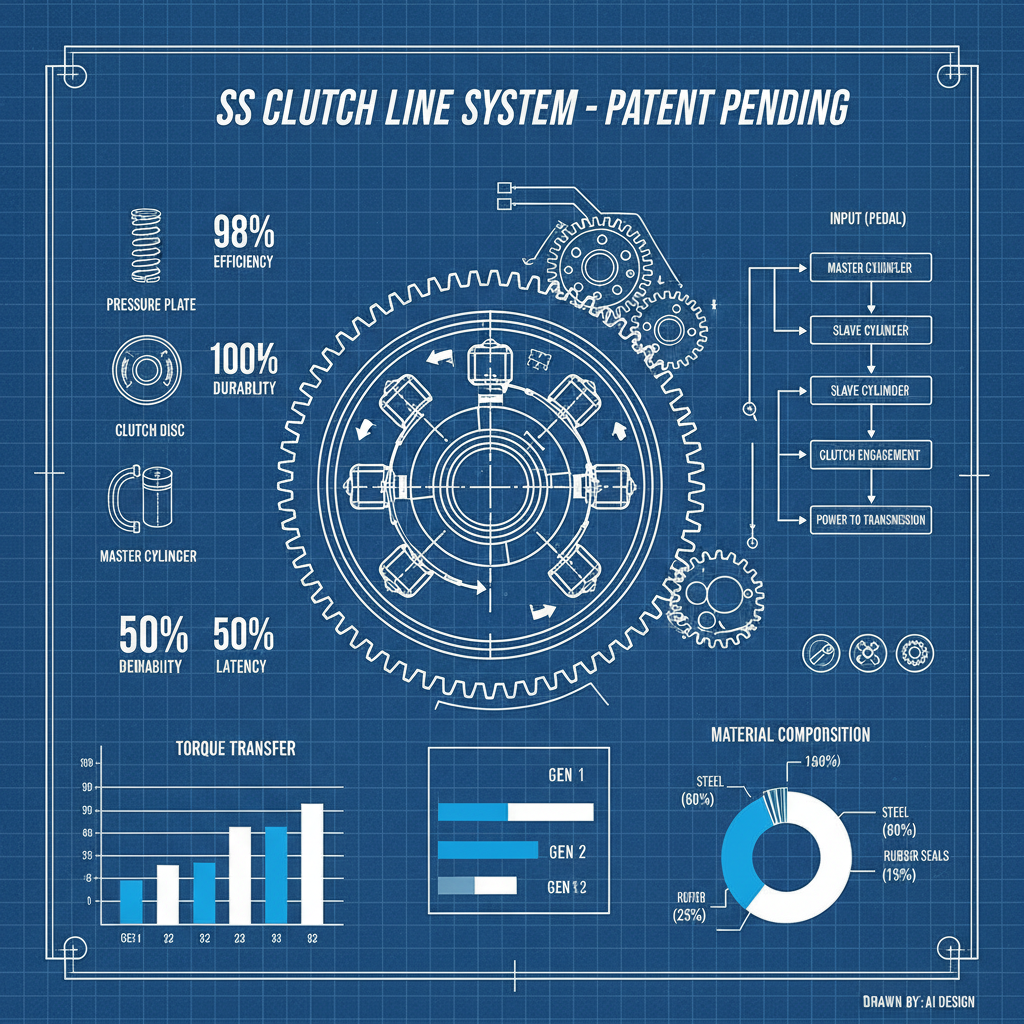
Conclusion: Upgrade Your Clutch Performance with SS Lines
Investing in an SS clutch line is a significant upgrade for any vehicle or hydraulic system. The increased durability, improved performance, and enhanced reliability make it a worthwhile investment for enthusiasts, racers, and professionals alike. By choosing a high-quality line from a trusted manufacturer, you can ensure optimal clutch operation and peace of mind.
Frequently Asked Questions (FAQs)
What is the typical lifespan of an SS clutch line?
SS clutch lines are designed for long-term durability and typically last for many years with proper use. However, lifespan can vary depending on driving conditions, hydraulic fluid compatibility, and overall maintenance. Regular inspection for any signs of wear, such as abrasion or damage to the outer braid, is recommended. Generally, a well-maintained SS clutch line can easily last 5-10 years or more. It’s important to use the correct hydraulic fluid specified by your vehicle manufacturer to maximize the lifespan of the line.
Can I install an SS clutch line myself?
Yes, many experienced DIY mechanics can install an SS clutch line. However, it requires a good understanding of hydraulic systems and proper bleeding procedures. It’s crucial to follow the manufacturer’s instructions carefully and ensure all connections are secure and leak-proof. If you are not comfortable working with hydraulic systems, it is best to have a qualified mechanic perform the installation. Improper installation can lead to hydraulic leaks and clutch malfunction.
What type of hydraulic fluid is compatible with SS clutch lines?
Most SS clutch lines are compatible with DOT 3, DOT 4, and DOT 5.1 brake fluids. However, it’s essential to check the manufacturer’s specifications to ensure compatibility, especially if you are using DOT 5 (silicone-based) fluid, as it can react with some materials. Using the wrong fluid can damage the internal PTFE lining and compromise the line’s performance. Always refer to your vehicle’s owner’s manual for the recommended hydraulic fluid type.
What are the benefits of braided stainless steel over other materials?
Braided stainless steel offers superior strength and durability compared to other materials like rubber or plastic. It’s resistant to corrosion, swelling, and abrasion, ensuring a longer lifespan and consistent performance. The braided construction also minimizes expansion under pressure, providing a more precise and responsive clutch feel. While more expensive upfront, the long-term benefits of stainless steel make it a cost-effective choice.
-
High Performance Throttle Cable Linkage for Precision MachineryNewsApr.16,2026
-
Ultimate Guide to Choosing a Quality carburetor throttle cableNewsApr.09,2026
-
Comprehensive Guide to the Dual Cable Throttle Assembly for Optimal PerformanceNewsApr.07,2026
-
The Importance of a Quality Throttle Cable Wire for Engine PerformanceNewsApr.04,2026
-
Understanding the Importance of a Manual Throttle Cable for Optimal PerformanceNewsMar.31,2026
-
Understanding the Critical Role of Throttle Rod Linkage in Engine PerformanceNewsMar.28,2026
 Afrikaans
 Albanian
 Amharic
 Arabic
 Armenian
 Azerbaijani
 Basque
 Belarusian
 Bengali
 Bosnian
 Bulgarian
 Catalan
 Cebuano
 Corsican
 Croatian
 Czech
Czech
 Danish
 Dutch
Dutch
 Esperanto
 Estonian
 Finnish
 French
 Frisian
 Galician
 Georgian
 German
 Greek
Greek
 Gujarati
 Haitian Creole
 Hausa
Hausa
 Hawaiian
 Hebrew
 Hindi
Hindi
 Miao
Miao
 Hungarian
 Icelandic
 Igbo
Igbo
 Indonesian
 Irish
Irish
 Italian
 Japanese
 Javanese
 Kannada
 Kazakh
 Khmer
Khmer
 Rwandese
 Korean
 Kurdish
 Kyrgyz
 Lao
Lao
 Latin
Latin
 Latvian
 Lithuanian
 Luxembourgish
 Macedonian
 Malgashi
 Malay
Malay
 Malayalam
 Maltese
 Maori
Maori
 Marathi
 Mongolian
 Myanmar
 Nepali
 Norwegian
 Norwegian
 Occitan
 Pashto
 Persian
 Polish
 Portuguese
 Punjabi
 Romanian
 Russian
 Samoan
 Scottish Gaelic
 Serbian
 Sesotho
 Shona
Shona
 Sindhi
 Sinhala
 Slovak
 Slovenian
 Somali
 Spanish
 Sundanese
 Swahili
 Swedish
 Tagalog
 Tajik
Tajik
 Tamil
Tamil
 Tatar
Tatar
 Telugu
 Thai
Thai
 Turkish
 Turkmen
 Ukrainian
 Urdu
Urdu
 Uighur
 Uzbek
Uzbek
 Vietnamese
 Welsh
Welsh
 Bantu
Bantu
 Yiddish
 Yoruba
 Zulu
Zulu
 English