
Comprehensive Guide to Slave Cylinder Hose Function Types and Selection
Understanding the Slave Cylinder Hose: A Comprehensive Guide
The slave cylinder hose is a critical component in hydraulic systems, particularly within automotive and industrial machinery. This article provides a detailed overview of its function, types, common issues, and how to choose the right hose for your application. We'll explore the importance of quality and durability when selecting a slave cylinder hose, ensuring optimal performance and longevity of your hydraulic systems. Proper maintenance and selection can prevent costly downtime and ensure safe operation.
What is a Slave Cylinder Hose and What Does it Do?
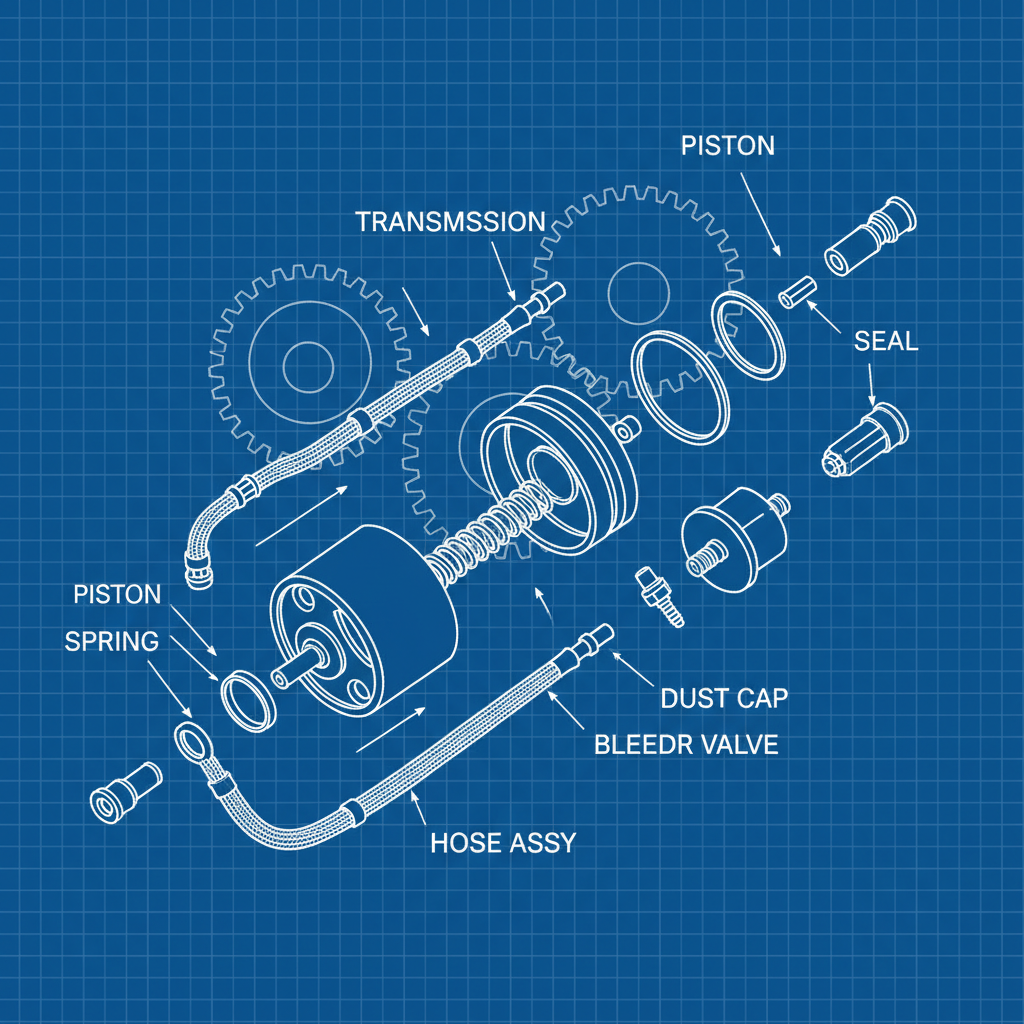
The slave cylinder hose is the conduit through which hydraulic fluid travels from the master cylinder to the slave cylinder. In automotive applications, this is most commonly associated with the clutch or brake systems. The hose transmits the pressure generated by the master cylinder, activating the slave cylinder which then performs a mechanical action – disengaging the clutch or applying the brakes. The hose must be capable of withstanding high pressures, extreme temperatures, and resist degradation from hydraulic fluid. A compromised slave cylinder hose can lead to system failure and potentially dangerous situations.
Key Function: Transmits hydraulic pressure from the master cylinder to the slave cylinder, enabling clutch or brake operation.
Types of Slave Cylinder Hoses
Slave cylinder hoses are available in various materials and constructions, each suited for specific applications. The most common types include:
- Rubber Hoses: Commonly used in older vehicles, they are less expensive but more susceptible to cracking and degradation over time.
- Braided Hoses: Reinforced with a braided steel or synthetic fiber layer, offering increased strength and resistance to pressure.
- Stainless Steel Braided Hoses: Provide the highest level of durability and resistance to corrosion, ideal for high-performance applications and harsh environments.
- PTFE (Teflon) Hoses: Excellent chemical resistance and can withstand extremely high temperatures, often used in specialized industrial applications.
Hose Material Comparison:
• Rubber: Cost-effective, limited durability.
• Braided: Increased strength and pressure resistance.
• Stainless Steel Braided: Superior durability and corrosion resistance.
• PTFE: Exceptional chemical and temperature resistance.
Choosing the Right Slave Cylinder Hose for Your Application
Selecting the appropriate slave cylinder hose requires careful consideration of several factors. Pressure rating is crucial – the hose must be able to withstand the maximum pressure generated by the hydraulic system. Temperature range is also important, especially in applications where the hose is exposed to extreme heat or cold. The type of hydraulic fluid used should also be considered, as some materials are incompatible with certain fluids. Finally, the length and diameter of the hose must be accurately measured to ensure a proper fit. Consider the environment it will be used in (corrosive, abrasive) to select a material that will endure.
Common Issues and Troubleshooting
Several issues can arise with slave cylinder hoses, including leaks, cracking, and swelling. Leaks typically indicate a damaged hose or loose connection. Cracking is often a sign of age or exposure to harsh chemicals. Swelling can occur when the hose material is incompatible with the hydraulic fluid. Regularly inspecting the hose for these signs of wear is crucial for preventing system failures. If a problem is detected, replace the hose immediately. Never attempt to repair a damaged hose; replacement is the only safe and reliable solution.
Why Choose HWEICable for Your Slave Cylinder Hose Needs?
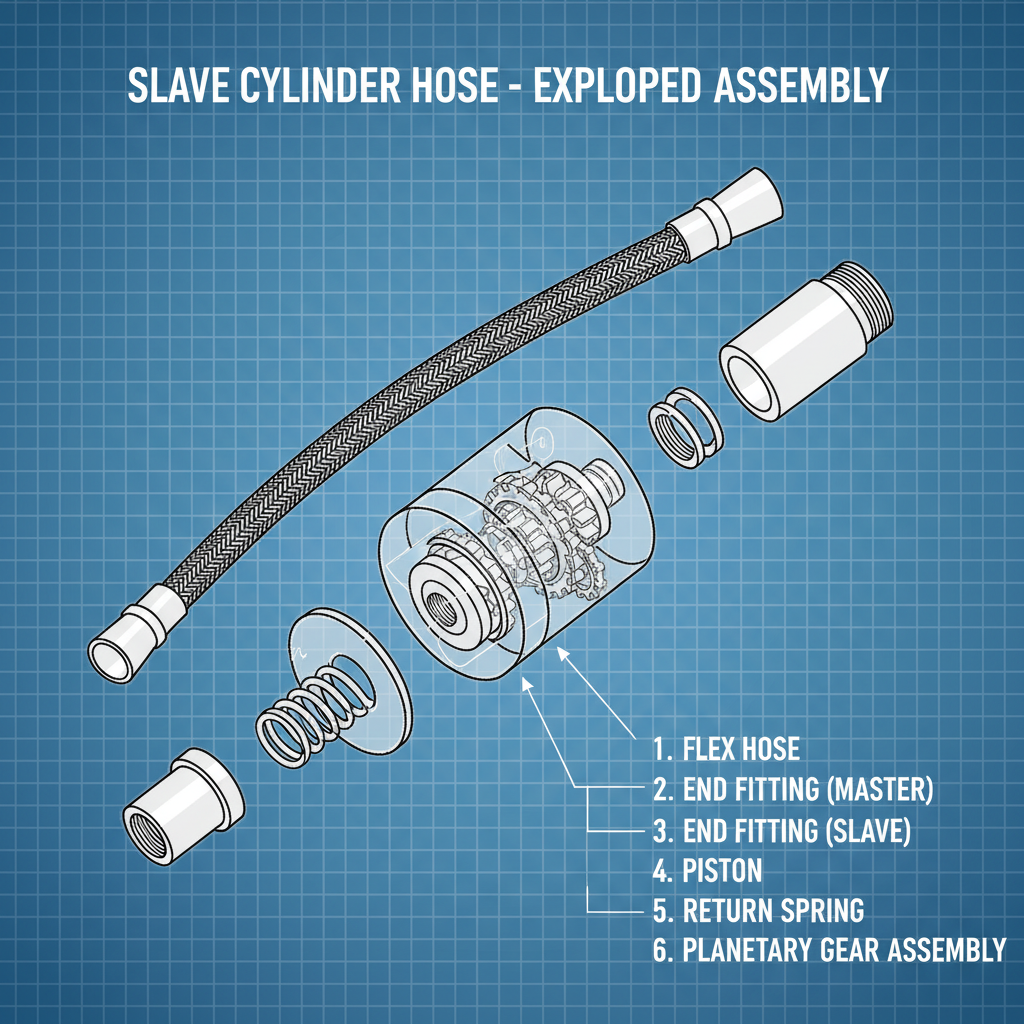
At HWEICable, we specialize in providing high-quality hydraulic hoses for a wide range of applications. We offer a comprehensive selection of slave cylinder hoses constructed from durable materials like stainless steel and PTFE, ensuring long-lasting performance and reliability. Our hoses are rigorously tested to meet or exceed industry standards, and we provide expert technical support to help you choose the right hose for your specific needs. We are committed to providing excellent customer service and fast shipping.
Conclusion: Ensuring Hydraulic System Reliability
Investing in a high-quality slave cylinder hose is crucial for the reliable and safe operation of your hydraulic systems. HWEICable provides the expertise and product selection to meet your needs. Don’t compromise on quality - choose HWEICable for long-lasting performance and peace of mind.
Frequently Asked Questions (FAQs)
What is the lifespan of a slave cylinder hose?
The lifespan of a slave cylinder hose varies depending on operating conditions, fluid type, and hose material. Rubber hoses typically last 3-5 years, while braided stainless steel hoses can last 10 years or more. Regular inspection is vital. Signs of cracking, bulging, or leaks indicate the hose should be replaced. It's also good practice to replace hoses whenever other components of the hydraulic system are being serviced.
Can a leaking slave cylinder hose be repaired?
Generally, no. Repairing a leaking slave cylinder hose is not recommended. Hydraulic hoses are designed to withstand high pressures, and any repair can compromise their structural integrity. A compromised hose can burst under pressure, causing a hazardous situation. The safest and most reliable solution is to replace the leaking hose with a new one.
What are the signs of a failing slave cylinder hose?
Common signs of a failing slave cylinder hose include visible cracks, bulges, or blisters in the hose wall. Leaking hydraulic fluid is also a clear indication of a problem. Difficulty engaging the clutch or applying the brakes, spongy pedal feel, and unusual noises from the hydraulic system can also indicate a failing hose. Ignoring these signs can lead to complete system failure.
How often should I inspect my slave cylinder hoses?
You should inspect your slave cylinder hoses at least every six months, or more frequently if the vehicle or equipment is used in harsh conditions. During inspection, visually check for cracks, leaks, and damage. Also, ensure the hose is properly secured and not rubbing against any sharp edges. Early detection of potential problems can prevent costly repairs and ensure safe operation.
-
High Performance Throttle Cable Linkage for Precision MachineryNewsApr.16,2026
-
Ultimate Guide to Choosing a Quality carburetor throttle cableNewsApr.09,2026
-
Comprehensive Guide to the Dual Cable Throttle Assembly for Optimal PerformanceNewsApr.07,2026
-
The Importance of a Quality Throttle Cable Wire for Engine PerformanceNewsApr.04,2026
-
Understanding the Importance of a Manual Throttle Cable for Optimal PerformanceNewsMar.31,2026
-
Understanding the Critical Role of Throttle Rod Linkage in Engine PerformanceNewsMar.28,2026
 Afrikaans
 Albanian
 Amharic
 Arabic
 Armenian
 Azerbaijani
 Basque
 Belarusian
 Bengali
 Bosnian
 Bulgarian
 Catalan
 Cebuano
 Corsican
 Croatian
 Czech
Czech
 Danish
 Dutch
Dutch
 Esperanto
 Estonian
 Finnish
 French
 Frisian
 Galician
 Georgian
 German
 Greek
Greek
 Gujarati
 Haitian Creole
 Hausa
Hausa
 Hawaiian
 Hebrew
 Hindi
Hindi
 Miao
Miao
 Hungarian
 Icelandic
 Igbo
Igbo
 Indonesian
 Irish
Irish
 Italian
 Japanese
 Javanese
 Kannada
 Kazakh
 Khmer
Khmer
 Rwandese
 Korean
 Kurdish
 Kyrgyz
 Lao
Lao
 Latin
Latin
 Latvian
 Lithuanian
 Luxembourgish
 Macedonian
 Malgashi
 Malay
Malay
 Malayalam
 Maltese
 Maori
Maori
 Marathi
 Mongolian
 Myanmar
 Nepali
 Norwegian
 Norwegian
 Occitan
 Pashto
 Persian
 Polish
 Portuguese
 Punjabi
 Romanian
 Russian
 Samoan
 Scottish Gaelic
 Serbian
 Sesotho
 Shona
Shona
 Sindhi
 Sinhala
 Slovak
 Slovenian
 Somali
 Spanish
 Sundanese
 Swahili
 Swedish
 Tagalog
 Tajik
Tajik
 Tamil
Tamil
 Tatar
Tatar
 Telugu
 Thai
Thai
 Turkish
 Turkmen
 Ukrainian
 Urdu
Urdu
 Uighur
 Uzbek
Uzbek
 Vietnamese
 Welsh
Welsh
 Bantu
Bantu
 Yiddish
 Yoruba
 Zulu
Zulu
 English