
Premium shift selector cable Solutions for Chile's Automotive Market

Engineered for durability and precision, our automotive cabling systems are optimized for the diverse terrains and demanding climates of the Chilean region.

Premium shift selector cable Solutions for Chile's Automotive Market

Providing high-performance transmission and braking control cables that ensure vehicle safety and operational efficiency across South America's most rugged landscapes.

Current State of Automotive Cabling in Chile

Analyzing the impact of geography and economic growth on vehicle component wear.

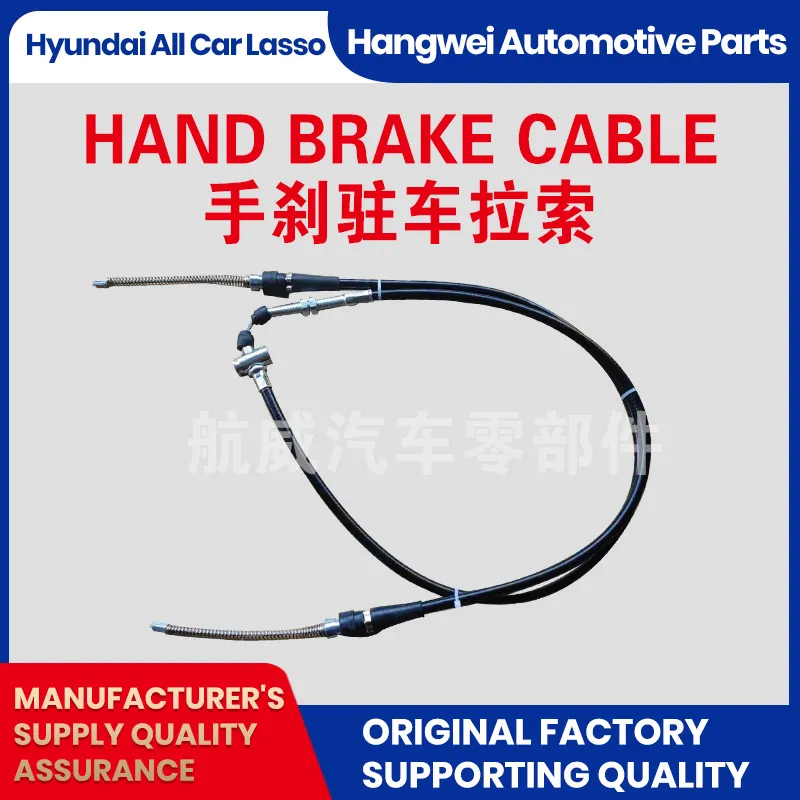
Chile's unique geography, stretching from the arid Atacama Desert to the humid Patagonian south, places extreme stress on automotive control systems. The high salinity in coastal cities like Valparaíso and the intense UV radiation in the north accelerate the degradation of standard hand brake cable housings, leading to premature corrosion and cable snapping.

The economic reliance on the mining sector has increased the demand for heavy-duty pickup trucks and SUVs. These vehicles require a highly reliable universal handbrake cable that can withstand the constant tension and vibration associated with off-road mining operations and steep Andean inclines.

Currently, the Chilean aftermarket is shifting from generic imports to specialized components. There is a growing preference for handbrake cables made to order that can meet the specific mechanical tolerances of modified fleet vehicles used in industrial logistics.

Evolution of Braking and Shifting Control Technology

From basic mechanical linkages to precision-engineered automotive cables.

Market Development History

In the late 20th century, the Chilean market relied on basic steel cables with minimal protective coatings. These components were prone to rapid oxidation, especially in the humid southern regions, requiring frequent replacements of the basic ebrake cable systems.

Between 2005 and 2015, the introduction of galvanized steel and low-friction polymers revolutionized the industry. This era saw the rise of standardized components, allowing mechanics to use more versatile parts across different vehicle brands without sacrificing safety.

From 2016 to the present, the focus has shifted toward "precision engineering." Modern cables now integrate high-tensile alloys and weatherproof outer sheaths, specifically designed to maintain a consistent feel even under the extreme temperature fluctuations found in the Andes mountains.

Future Development Trends

Integration of Smart Materials

We anticipate a move toward self-lubricating inner liners that reduce friction by 30%, extending the lifecycle of shift and brake components in dusty environments.

Hybrid Cable-Electronic Systems

As Chile leads South America in EV adoption, we are seeing a transition where traditional cables are integrated with electronic actuators for smarter parking brake control.

Sustainable Material Sourcing

Future trends indicate a shift toward recyclable polymers for cable housings to align with Chile's strict environmental regulations and green energy goals.

Industry Outlook and Future Prospects

Predicting the trajectory of automotive cable manufacturing for the next 5 years.

Anti-Corrosive Coating Evolution
Development of advanced zinc-nickel plating to combat the saline air of Chilean coastal zones.
Custom Length Optimization
Increasing demand for bespoke cabling to accommodate modified utility vehicles used in mining.
High-Tension Polymers
Adopting new polymers that resist extreme thermal expansion during high-altitude Andean travel.
Digital Precision Manufacturing
Using CNC-guided cable cutting to ensure zero-tolerance fitment for high-end imports.

Industry Outlook

Based on Google search trends in South America, there is a significant increase in queries for "heavy-duty automotive cables" and "corrosion-resistant brake parts" within the Chilean market. This suggests a move away from low-cost, disposable parts toward long-term reliability.

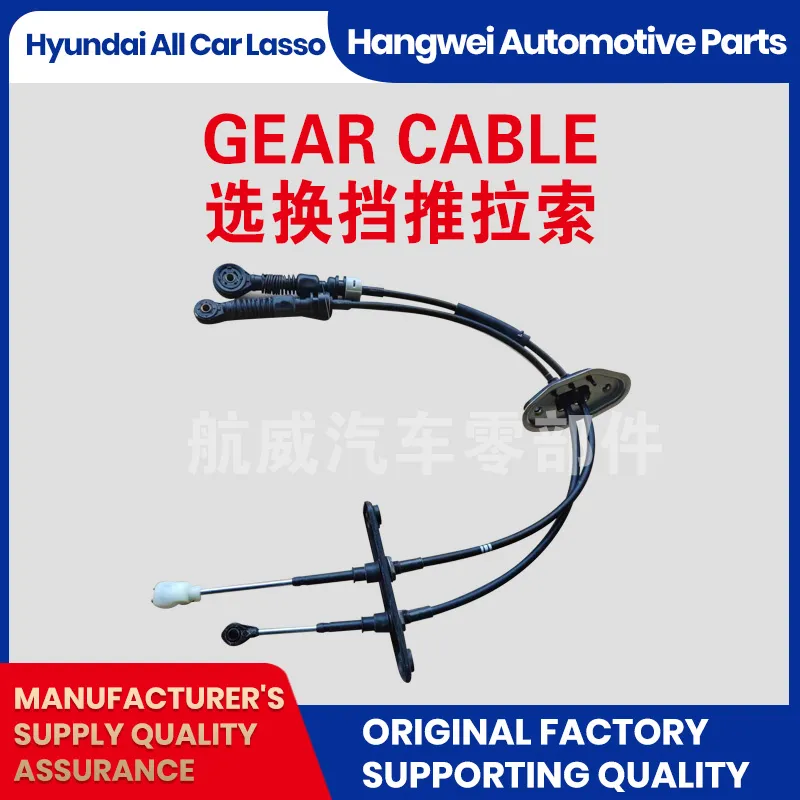
As the Chilean automotive fleet modernizes, the demand for precision shift selector cable units will grow, particularly for vehicles operating in the logistics and mining sectors where downtime is extremely costly.

Localized Application Scenarios in Chile

Real-world use cases for automotive control cables in the Chilean environment.

01. Atacama Mining Fleet Maintenance

Utilizing reinforced cabling to prevent friction wear caused by fine mineral dust in the Atacama desert, ensuring the emergency brake remains functional in extreme heat.

02. Santiago Urban Logistics

Implementing high-cycle cables for delivery vans that perform hundreds of gear shifts daily in dense traffic, reducing the risk of linkage failure.

03. Patagonian Off-Road Exploration

Deploying weather-sealed cables that maintain flexibility in sub-zero temperatures, ensuring reliable braking in the snowy regions of southern Chile.

04. Valparaíso Coastal Transport

Using salt-spray resistant coatings on cables for port transport vehicles to prevent the rapid corrosion typical of coastal atmospheric conditions.

05. Andean Mountain Tourism

Installing high-tension cables in 4x4 vehicles used for mountain tours, where steep inclines demand maximum holding power from the parking brake.

Brand Story

Global Development Journey of Qinghe Hangwei Automotive Parts Co., Ltd.

Foundational Excellence

Established with a focus on precision engineering, we began by solving the most common failure points in mechanical control cables.

Technical Breakthroughs

We pioneered the integration of high-strength steel cores with advanced polymer sheathing to increase cable longevity.

Global Market Expansion

Expanding into South American markets, we tailored our products to meet the specific climatic challenges of countries like Chile.

Quality Certification

Achieving international quality standards to ensure every cable produced meets rigorous safety and durability benchmarks.

Future-Ready Innovation

Investing in R&D for the next generation of eco-friendly and electronically integrated control systems.

Complete Automotive Cable Portfolio for Chile

A comprehensive range of braking and shifting solutions designed for the Chilean automotive fleet.

Chilean Automotive Cabling FAQ

Answers to common technical questions regarding cable replacement and durability in Chile.

How does the Chilean climate affect my hand brake cable?

High humidity in the south and salt air on the coast can lead to rapid oxidation of the steel core, while UV rays in the north can crack the outer plastic housing, making high-quality coatings essential.

Can I get handbrake cables made to order for modified mining trucks?

Yes, we provide bespoke manufacturing services to create cables with specific lengths, end-fittings, and reinforcement levels to suit industrial vehicle modifications.

What is the advantage of using a universal handbrake cable?

A universal cable offers flexibility for mechanics working on various vehicle models, reducing inventory costs while providing a reliable fit for common chassis types.

How often should I inspect my ebrake cable in mountainous regions?

Given the steep inclines in the Andes, we recommend a professional inspection every 10,000 km to ensure no stretching or fraying has occurred in the cable core.

Why is my shift selector cable feeling stiff during winter?

Standard lubricants can thicken in cold weather. Our cables use low-temperature synthetic liners that maintain a smooth shifting feel even in freezing Patagonian conditions.

What materials are best for automotive cables in coastal cities?

Cables with galvanized steel or stainless steel cores combined with a high-density polyethylene (HDPE) outer sheath are best for resisting salt-spray corrosion.

Expert Automotive Cabling Support

Ready to upgrade your vehicle's control systems? Our specialists provide tailored solutions for the entire Chile market.

Contact Us Now

If you are interested in our products, you can choose to leave your information here, and we will be in touch with you shortly.