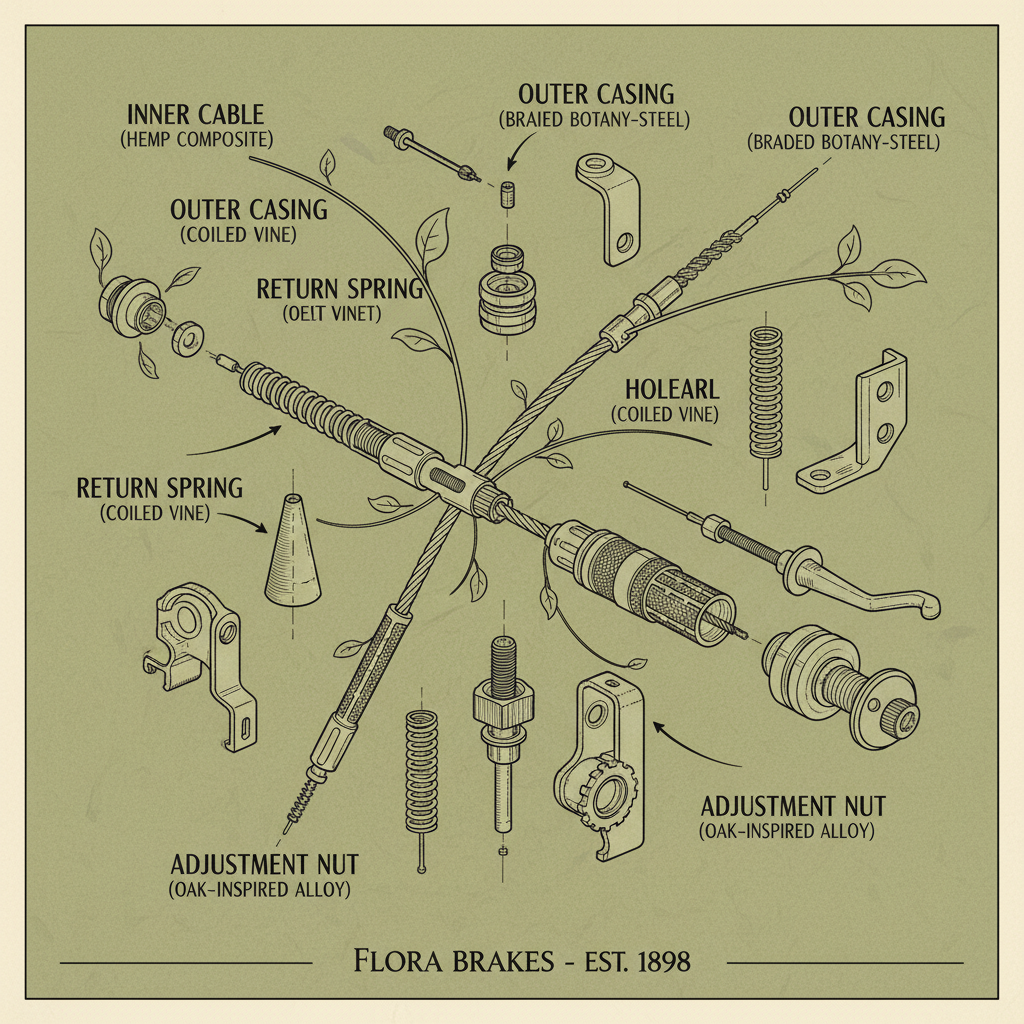
The world of cycling, particularly competitive road biking and mountain biking, relies heavily on precision and reliability. That's where the derailleur gear cable comes in. It’s not just a wire; it's the nervous system of a bike, translating a rider’s intention into smooth, accurate gear changes. From weekend warriors tackling challenging climbs to professional cyclists vying for victory in grand tours, a dependable derailleur gear cable is fundamental. We're talking about a global market here, with cycling’s popularity surging, particularly post-pandemic, fueled by health consciousness and a desire for eco-friendly transportation. The UN estimates that bicycle production contributes significantly to sustainable mobility initiatives worldwide, and a critical component of maintaining this momentum is ensuring the quality and consistency of parts like the derailleur gear cable.
But it’s not without its challenges. The demand for lighter, more durable, and corrosion-resistant cables is constantly increasing, driven by both performance needs and environmental concerns. Manufacturers are under pressure to innovate and find materials and processes that meet these demands while maintaining affordability. It’s a competitive landscape, and the quality of the derailleur gear cable directly impacts rider experience and safety.
Let’s be clear: a snapped or frayed cable at the wrong moment can ruin a ride, or worse, cause an accident. It’s a small part, but a critical one. My job isn’t in a boardroom – it’s on the trails and roads, seeing firsthand what riders need and how these cables perform under real-world conditions. That’s why understanding every aspect of these cables – from their materials to their construction – is so vital.
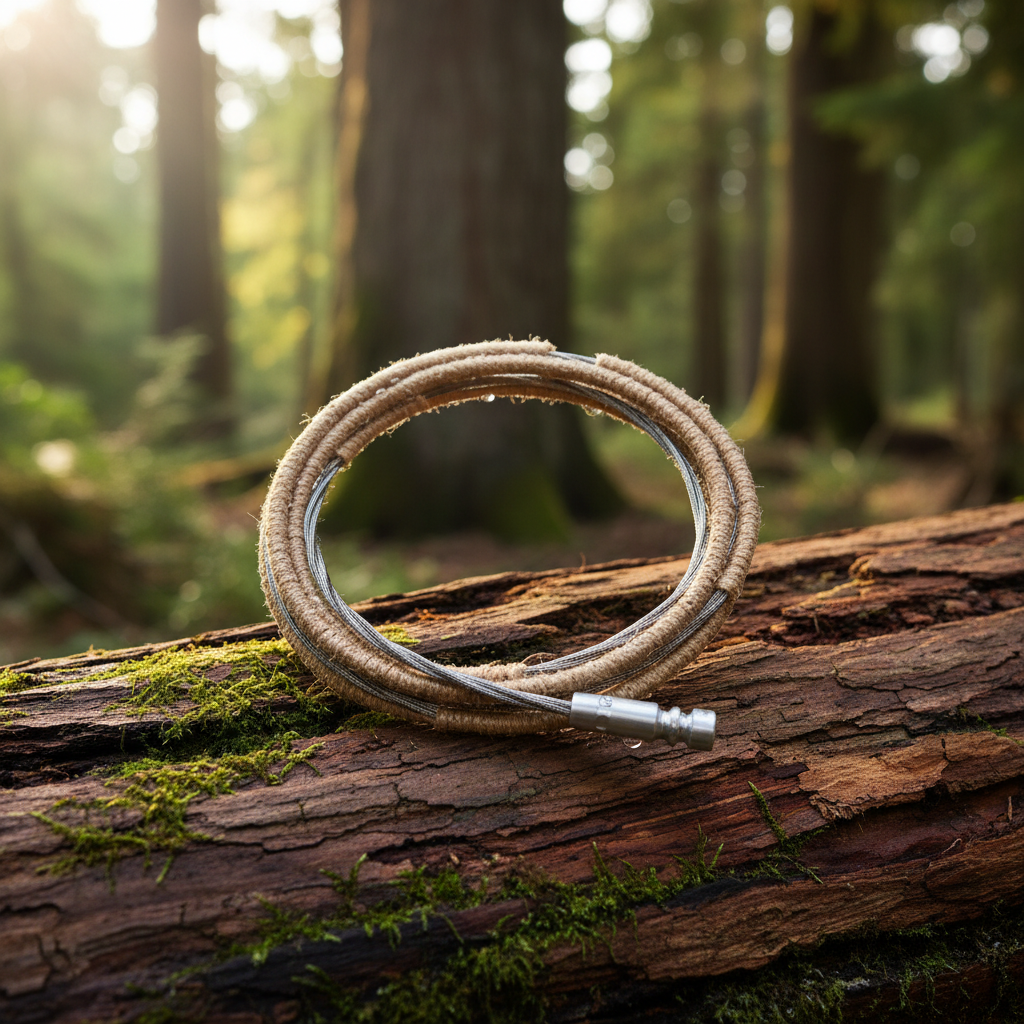
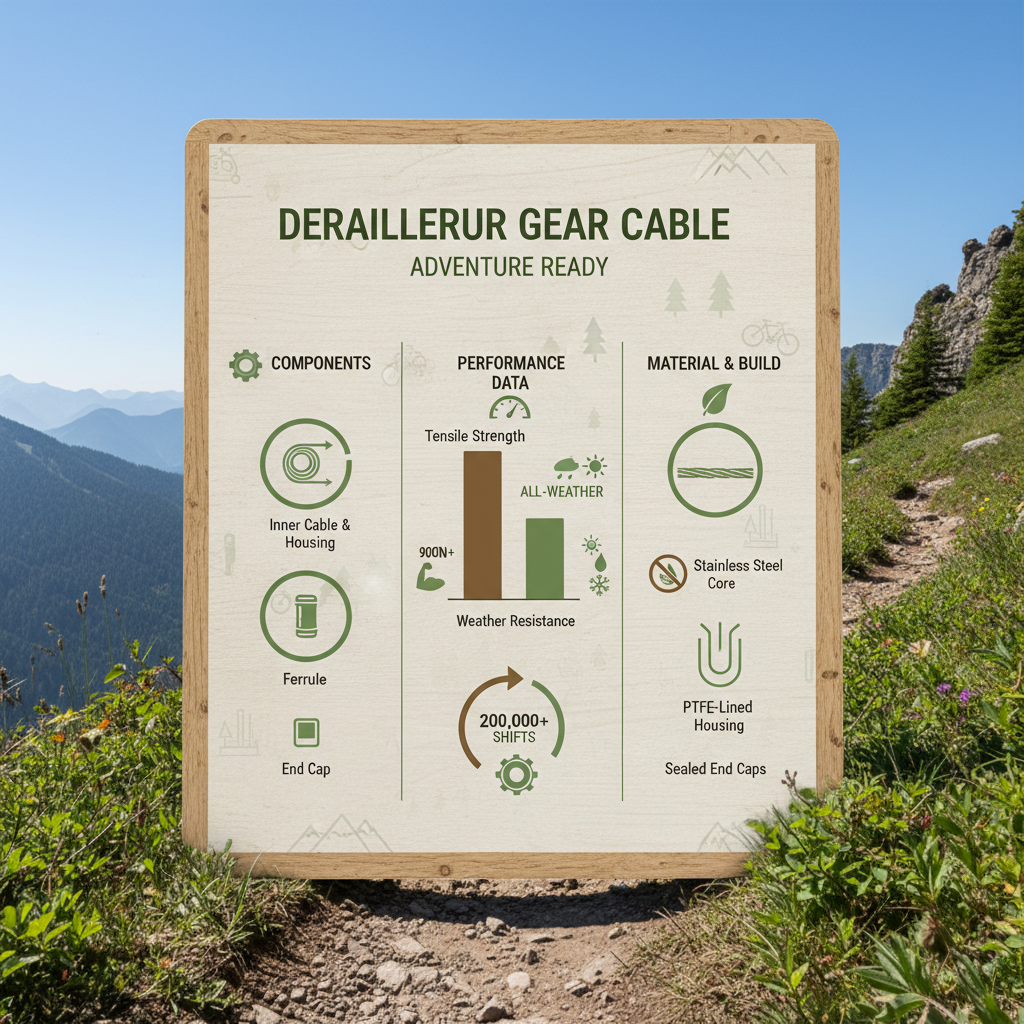
As someone who’s spent years tightening bolts and adjusting gears in the field, I can tell you that the derailleur gear cable is often overlooked, yet it's arguably one of the most crucial components on a bicycle. It's the direct link between the rider’s shifting action and the bike’s ability to tackle varied terrain. Without a responsive and reliable cable, even the most expensive drivetrain system becomes frustrating to use.
We’re seeing a massive increase in the demand for high-performance cables, driven by the growth of gravel biking and e-bikes. These disciplines put extra stress on the shifting system, requiring cables that can withstand increased torque and maintain consistent performance over long distances.
The lifespan of a derailleur gear cable varies depending on riding conditions and frequency of use. Generally, a cable should be replaced every 1,000-3,000 miles, or annually, whichever comes first. Frequent exposure to harsh weather, dirt, and grime will significantly shorten its lifespan. Signs of wear include sluggish shifting, difficulty achieving precise gear changes, and visible fraying of the cable.
Proper lubrication is crucial for maintaining smooth shifting. Use a cable-specific lubricant, avoiding heavy oils or greases. Apply the lubricant directly into the cable housing, allowing it to work its way down the cable. Cycle the shifter several times to distribute the lubricant evenly. Avoid over-lubricating, as this can attract dirt and grime. Regular lubrication, every few months, is recommended.
Coated cables, typically with Teflon or similar low-friction coatings, offer reduced friction and smoother shifting compared to uncoated cables. The coating also provides some protection against corrosion and dirt ingress. While coated cables are generally more expensive, the improved performance and durability often justify the cost, especially for performance-oriented riders.
No, it’s essential to use compatible cable housing. The cable housing should be designed to fit the diameter of your cable and shifter/derailleur system. Using incompatible housing can lead to poor shifting performance, increased friction, and cable damage. High-quality housings are made from low-friction polymers and are sealed to prevent contamination.
Several signs indicate the need for a replacement. Sluggish or delayed shifting, difficulty achieving precise gear changes, visible fraying or kinking of the cable, and excessive cable stretch are all telltale signs. If you notice any of these issues, it’s best to replace the cable to ensure optimal shifting performance and prevent potential mechanical failures.
Replacing a derailleur gear cable can be a DIY project for mechanically inclined cyclists. However, it requires some specialized tools and knowledge of bicycle mechanics. If you’re not comfortable with the process, it’s best to take your bike to a qualified mechanic. Improper installation can lead to poor shifting performance and potential safety issues.
The derailleur gear cable might seem like a small component, but its impact on cycling performance, safety, and enjoyment is significant. From material science and manufacturing processes to proper installation and maintenance, understanding every aspect of this crucial part is essential for riders, mechanics, and manufacturers alike. We've seen how innovation in materials, coatings, and housing design are constantly pushing the boundaries of performance and durability.
Looking ahead, we can expect to see even more sophisticated cable technologies emerge, driven by the demand for lighter, faster, and more reliable shifting systems. As cycling continues to grow in popularity, investing in quality derailleur gear cable will remain a crucial factor in ensuring a positive and safe riding experience. For more information and a wide range of high-performance cables, visit our website: www.hweicable.com

 Afrikaans
 Albanian
 Amharic
 Arabic
 Armenian
 Azerbaijani
 Basque
 Belarusian
 Bengali
 Bosnian
 Bulgarian
 Catalan
 Cebuano
 Corsican
 Croatian
 Czech
Czech
 Danish
 Dutch
Dutch
 Esperanto
 Estonian
 Finnish
 French
 Frisian
 Galician
 Georgian
 German
 Greek
Greek
 Gujarati
 Haitian Creole
 Hausa
Hausa
 Hawaiian
 Hebrew
 Hindi
Hindi
 Miao
Miao
 Hungarian
 Icelandic
 Igbo
Igbo
 Indonesian
 Irish
Irish
 Italian
 Japanese
 Javanese
 Kannada
 Kazakh
 Khmer
Khmer
 Rwandese
 Korean
 Kurdish
 Kyrgyz
 Lao
Lao
 Latin
Latin
 Latvian
 Lithuanian
 Luxembourgish
 Macedonian
 Malgashi
 Malay
Malay
 Malayalam
 Maltese
 Maori
Maori
 Marathi
 Mongolian
 Myanmar
 Nepali
 Norwegian
 Norwegian
 Occitan
 Pashto
 Persian
 Polish
 Portuguese
 Punjabi
 Romanian
 Russian
 Samoan
 Scottish Gaelic
 Serbian
 Sesotho
 Shona
Shona
 Sindhi
 Sinhala
 Slovak
 Slovenian
 Somali
 Spanish
 Sundanese
 Swahili
 Swedish
 Tagalog
 Tajik
Tajik
 Tamil
Tamil
 Tatar
Tatar
 Telugu
 Thai
Thai
 Turkish
 Turkmen
 Ukrainian
 Urdu
Urdu
 Uighur
 Uzbek
Uzbek
 Vietnamese
 Welsh
Welsh
 Bantu
Bantu
 Yiddish
 Yoruba
 Zulu
Zulu
 English