The global automotive industry relies heavily on a robust supply chain of components, and gear selector cables are a critical, yet often overlooked, part of that network. Understanding the gear selector cable price is essential for automakers, parts manufacturers, and aftermarket suppliers alike. Fluctuations in raw material costs, manufacturing processes, and demand directly impact the final price, influencing vehicle production costs and consumer affordability. Accurate pricing strategies are vital for maintaining profitability and competitiveness within this dynamic market.
The demand for high-quality gear selector cables continues to rise with the increasing global vehicle production and the growing automotive aftermarket. Factors like the shift towards electric vehicles (EVs), which still require gear selector mechanisms for functionalities like park and reverse, and the increasing complexity of transmission systems contribute to this demand. Consequently, efficient cost management and reliable sourcing of these cables – understanding the gear selector cable price - are paramount for all stakeholders.
Navigating the complexities of the automotive supply chain requires a deep understanding of the factors that contribute to the gear selector cable price. This knowledge empowers businesses to make informed decisions, optimize their operations, and ensure the consistent availability of a crucial component for vehicle functionality.
The automotive industry is a cornerstone of the global economy, contributing significantly to GDP and employment worldwide. As of 2023, global vehicle production reached over 85 million units (source: OICA), driving immense demand for all associated components, including gear selector cables. The gear selector cable price is therefore a critical indicator of overall manufacturing costs and a key factor in vehicle pricing.
Fluctuations in the gear selector cable price can stem from global events such as raw material shortages (steel, polymers), geopolitical instability impacting supply chains, and fluctuations in currency exchange rates. Understanding these dynamics is crucial for manufacturers to mitigate risks and maintain competitive pricing. The automotive industry is characterized by complex supply chains, and even minor disruptions can cascade through the system, affecting production schedules and ultimately, the end consumer.
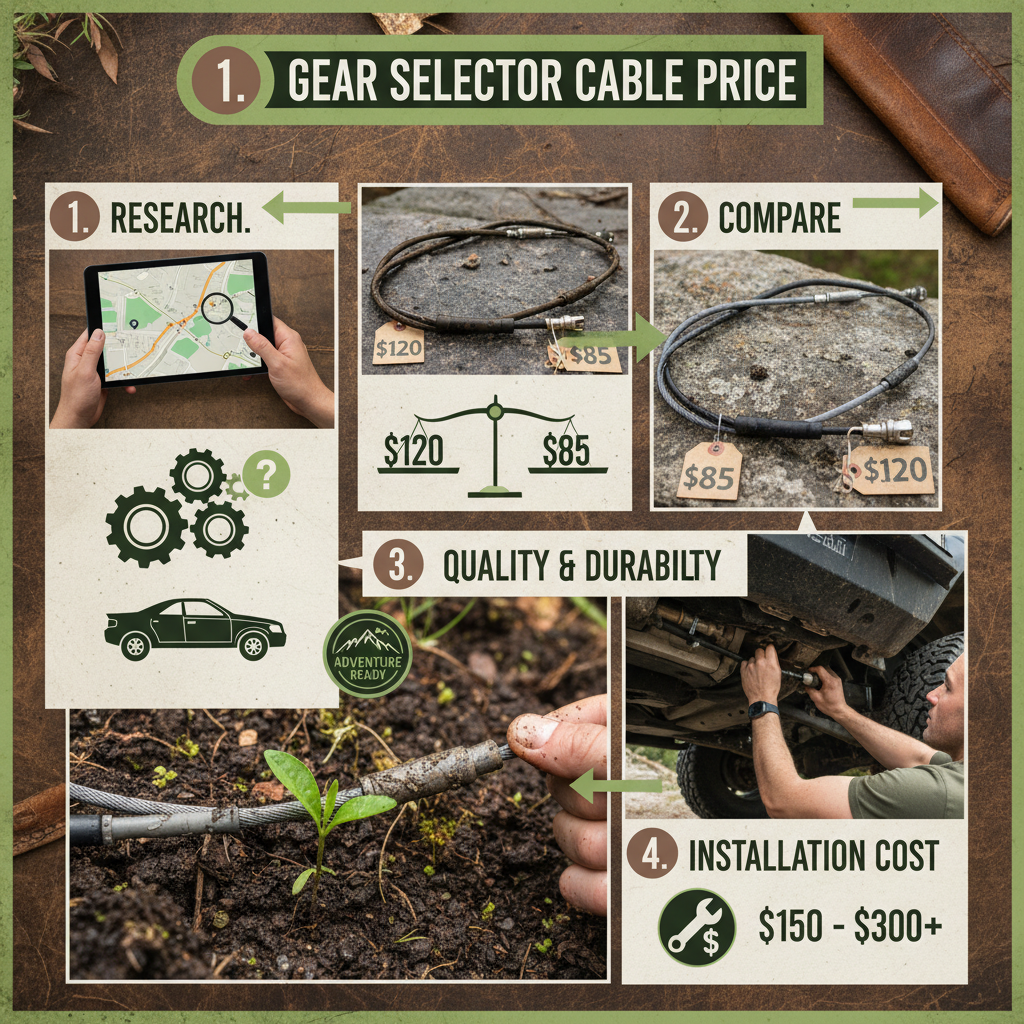
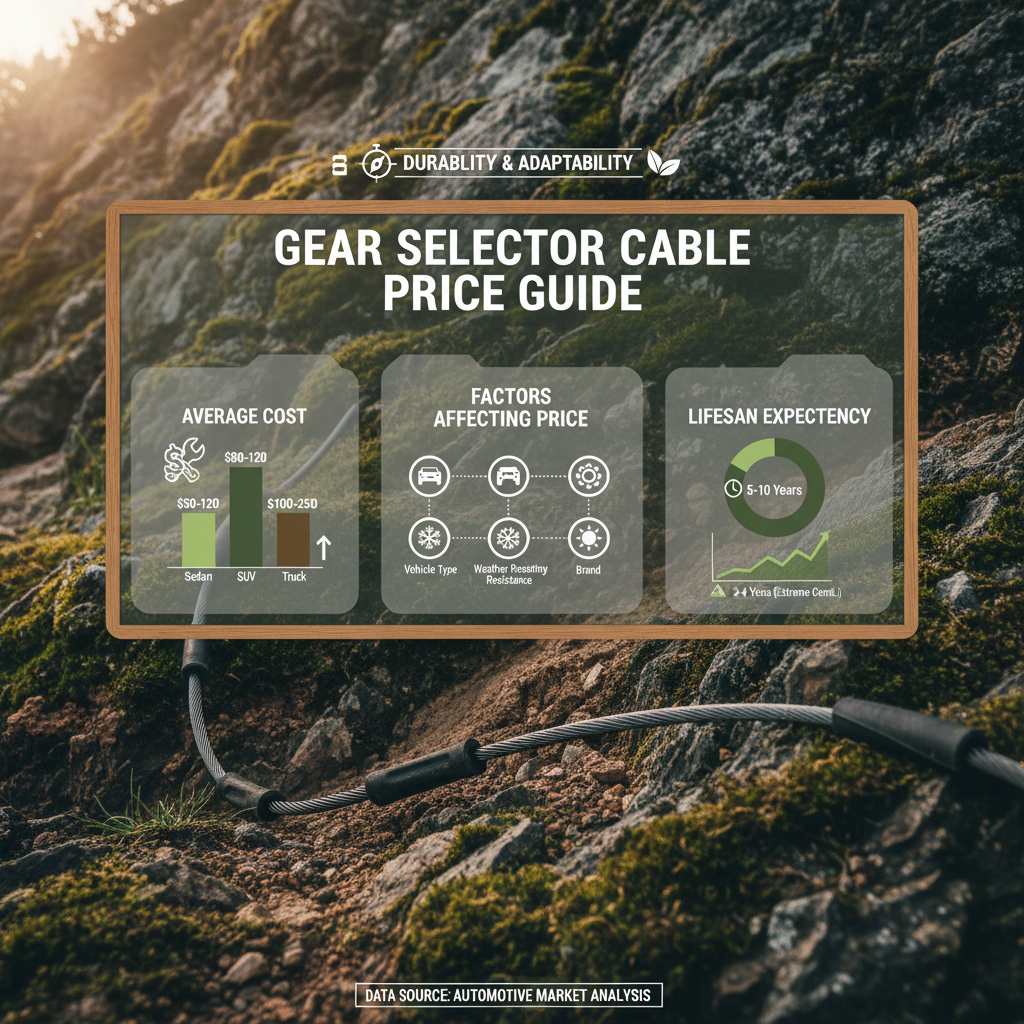
The price of gear selector cables is primarily influenced by raw material costs (steel, polymers), manufacturing complexity, labor expenses, supplier competition, and demand fluctuations. Global economic conditions and geopolitical events can also play a role. Understanding these factors is key to negotiating favorable pricing and ensuring supply chain stability.
Higher quality cables, utilizing superior materials and more precise manufacturing processes, invariably command a higher price. However, this investment often translates into increased durability, reliability, and a longer lifespan, reducing the total cost of ownership. Features like corrosion resistance and enhanced tensile strength also contribute to the price.
The typical lifespan of a gear selector cable varies depending on driving conditions and cable quality, ranging from 50,000 to 150,000 miles. Higher-priced cables constructed from more durable materials tend to have a longer lifespan, reducing the frequency of replacements and ultimately lowering long-term costs. A higher initial investment can save money in the long run.
While the core function is similar, gear selector cables for manual transmissions often have more complex mechanisms and require higher precision, potentially leading to a slightly higher price compared to those for automatic transmissions. The difference is not always substantial, but it can be a factor depending on the specific design and application.
Manufacturers can explore options like negotiating long-term contracts with suppliers, optimizing supply chain logistics, utilizing value engineering principles to simplify designs, and sourcing materials from diverse regions to mitigate risks. Strategic partnerships and bulk purchasing can also help reduce costs while maintaining quality standards.
Import tariffs directly increase the gear selector cable price for manufacturers sourcing cables from countries subject to tariffs. These costs are often passed on to consumers, impacting vehicle prices. Monitoring trade policies and diversifying sourcing strategies can help mitigate the effects of tariffs.
In conclusion, understanding the intricacies of the gear selector cable price is crucial for success in the automotive industry. From raw material sourcing and manufacturing processes to global market dynamics and future trends, a comprehensive understanding of these factors empowers businesses to optimize costs, maintain quality, and navigate a constantly evolving landscape. Proactive strategies and long-term partnerships are essential for ensuring a stable and reliable supply chain.
Looking ahead, the automotive industry will continue to demand innovative and cost-effective solutions for gear selector cables. By embracing new technologies, prioritizing sustainability, and fostering collaborative relationships, manufacturers can ensure they are well-positioned to meet the challenges and opportunities of the future. Visit our website at www.hweicable.com to learn more about our gear selector cable solutions and request a quote.

 Afrikaans
 Albanian
 Amharic
 Arabic
 Armenian
 Azerbaijani
 Basque
 Belarusian
 Bengali
 Bosnian
 Bulgarian
 Catalan
 Cebuano
 Corsican
 Croatian
 Czech
Czech
 Danish
 Dutch
Dutch
 Esperanto
 Estonian
 Finnish
 French
 Frisian
 Galician
 Georgian
 German
 Greek
Greek
 Gujarati
 Haitian Creole
 Hausa
Hausa
 Hawaiian
 Hebrew
 Hindi
Hindi
 Miao
Miao
 Hungarian
 Icelandic
 Igbo
Igbo
 Indonesian
 Irish
Irish
 Italian
 Japanese
 Javanese
 Kannada
 Kazakh
 Khmer
Khmer
 Rwandese
 Korean
 Kurdish
 Kyrgyz
 Lao
Lao
 Latin
Latin
 Latvian
 Lithuanian
 Luxembourgish
 Macedonian
 Malgashi
 Malay
Malay
 Malayalam
 Maltese
 Maori
Maori
 Marathi
 Mongolian
 Myanmar
 Nepali
 Norwegian
 Norwegian
 Occitan
 Pashto
 Persian
 Polish
 Portuguese
 Punjabi
 Romanian
 Russian
 Samoan
 Scottish Gaelic
 Serbian
 Sesotho
 Shona
Shona
 Sindhi
 Sinhala
 Slovak
 Slovenian
 Somali
 Spanish
 Sundanese
 Swahili
 Swedish
 Tagalog
 Tajik
Tajik
 Tamil
Tamil
 Tatar
Tatar
 Telugu
 Thai
Thai
 Turkish
 Turkmen
 Ukrainian
 Urdu
Urdu
 Uighur
 Uzbek
Uzbek
 Vietnamese
 Welsh
Welsh
 Bantu
Bantu
 Yiddish
 Yoruba
 Zulu
Zulu
 English