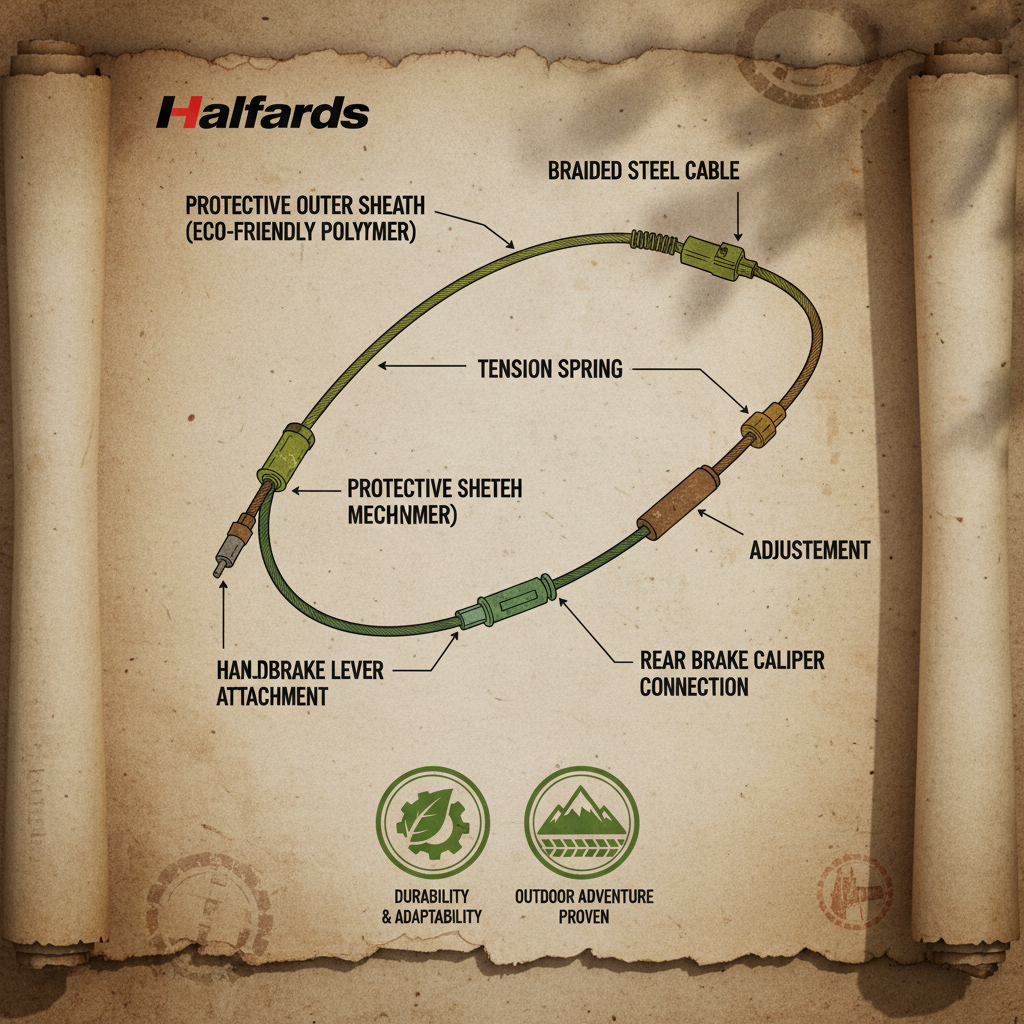
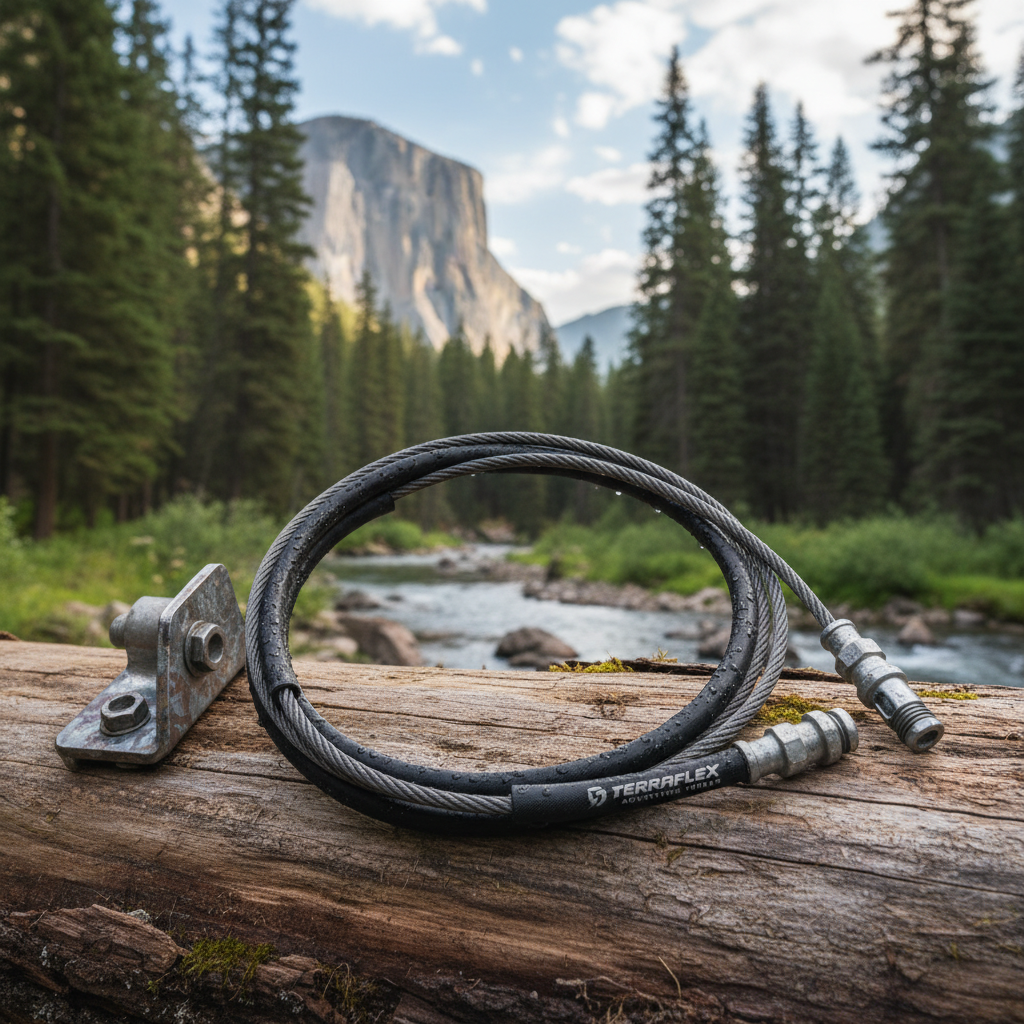
The car hand brake cable, often overlooked, is a critical safety component in any vehicle. Its primary function is to mechanically engage the rear brakes, preventing the vehicle from rolling when parked or during emergencies. Understanding its construction, operation, and maintenance is vital for vehicle owners, mechanics, and anyone involved in automotive safety. Globally, the demand for reliable car hand brake cable systems continues to grow alongside vehicle production, particularly in emerging markets. Proper functioning of this cable is directly linked to preventing accidents and ensuring public safety.
The automotive industry has experienced substantial growth over the last century, resulting in an increased need for reliable and durable components like the car hand brake cable. According to the International Organization of Motor Vehicle Manufacturers (OICA), global vehicle production exceeded 80 million units in 2021. This escalating production necessitates a robust supply chain for all automotive parts, including those critical for safety. The car hand brake cable’s simplicity belies its importance, offering a cost-effective and mechanically sound solution for parking brake systems.
In an era of increasingly complex automotive technology, the humble car hand brake cable remains a surprisingly relevant and essential component. While electronic parking brakes (EPB) are gaining popularity, manual systems employing cables are still prevalent in many vehicles, particularly in older models and budget-friendly cars. This persistence highlights the enduring value of this relatively simple yet vital safety mechanism.


The car hand brake cable serves as a fundamental safety feature, providing a secondary braking system independent of the primary hydraulic brakes. Its core purpose is to secure a parked vehicle, preventing unwanted movement, particularly on inclines. Beyond parking, it can be essential in emergency situations, providing a backup braking mechanism should the primary system fail.
Modern car hand brake cables are engineered for durability and reliability, often constructed from high-strength steel wire with a protective outer sheath. The design must withstand repeated use, exposure to the elements, and varying temperature conditions. Choosing a quality car hand brake cable is, therefore, an investment in vehicle safety and peace of mind.
It's recommended to inspect your car hand brake cable at least twice a year, or more frequently if you live in areas with harsh weather conditions or drive frequently. Look for signs of fraying, corrosion, or damage to the cable and sheath. Also, check the hand brake lever for proper adjustment and smooth operation.
Common signs include a hand brake lever that feels loose or travels excessively before engaging, difficulty holding the vehicle on an incline, or unusual noises when applying the hand brake. If you notice any of these symptoms, it’s crucial to have your cable inspected and potentially replaced by a qualified mechanic.
Replacing a car hand brake cable can be a DIY project for experienced mechanics with the proper tools and knowledge. However, it involves working with braking systems, which are critical for safety. If you’re not comfortable with this type of repair, it’s best to entrust it to a professional.
The lifespan of a car hand brake cable can vary depending on driving conditions, maintenance, and the quality of the cable itself. Generally, a well-maintained cable can last between 5 and 10 years. However, cables exposed to harsh conditions or those subjected to frequent use may need replacement sooner.
The cost of replacing a car hand brake cable can vary depending on the vehicle make and model, as well as the labor rates of the mechanic. Generally, you can expect to pay between $150 and $400 for parts and labor. Getting a quote from a reputable mechanic is always recommended.
Regularly lubricating the cable with a suitable lubricant, ensuring proper adjustment, and avoiding forceful or abrupt engagement of the hand brake can all help extend its lifespan. Additionally, protecting the cable from exposure to corrosive elements like road salt can also contribute to its longevity.
In conclusion, the car hand brake cable, while often taken for granted, remains a vital component of vehicle safety. Its simple yet effective design provides a crucial secondary braking system and ensures vehicles remain securely parked. Understanding its construction, maintenance requirements, and potential failure points is essential for all vehicle owners and automotive professionals.
Looking ahead, advancements in materials and sensor technology promise to further enhance the reliability and functionality of car hand brake cables. By embracing these innovations and prioritizing regular maintenance, we can continue to rely on this essential safety feature for years to come. For high-quality car hand brake cables and related automotive components, visit our website: www.hweicable.com.

 Afrikaans
 Albanian
 Amharic
 Arabic
 Armenian
 Azerbaijani
 Basque
 Belarusian
 Bengali
 Bosnian
 Bulgarian
 Catalan
 Cebuano
 Corsican
 Croatian
 Czech
Czech
 Danish
 Dutch
Dutch
 Esperanto
 Estonian
 Finnish
 French
 Frisian
 Galician
 Georgian
 German
 Greek
Greek
 Gujarati
 Haitian Creole
 Hausa
Hausa
 Hawaiian
 Hebrew
 Hindi
Hindi
 Miao
Miao
 Hungarian
 Icelandic
 Igbo
Igbo
 Indonesian
 Irish
Irish
 Italian
 Japanese
 Javanese
 Kannada
 Kazakh
 Khmer
Khmer
 Rwandese
 Korean
 Kurdish
 Kyrgyz
 Lao
Lao
 Latin
Latin
 Latvian
 Lithuanian
 Luxembourgish
 Macedonian
 Malgashi
 Malay
Malay
 Malayalam
 Maltese
 Maori
Maori
 Marathi
 Mongolian
 Myanmar
 Nepali
 Norwegian
 Norwegian
 Occitan
 Pashto
 Persian
 Polish
 Portuguese
 Punjabi
 Romanian
 Russian
 Samoan
 Scottish Gaelic
 Serbian
 Sesotho
 Shona
Shona
 Sindhi
 Sinhala
 Slovak
 Slovenian
 Somali
 Spanish
 Sundanese
 Swahili
 Swedish
 Tagalog
 Tajik
Tajik
 Tamil
Tamil
 Tatar
Tatar
 Telugu
 Thai
Thai
 Turkish
 Turkmen
 Ukrainian
 Urdu
Urdu
 Uighur
 Uzbek
Uzbek
 Vietnamese
 Welsh
Welsh
 Bantu
Bantu
 Yiddish
 Yoruba
 Zulu
Zulu
 English