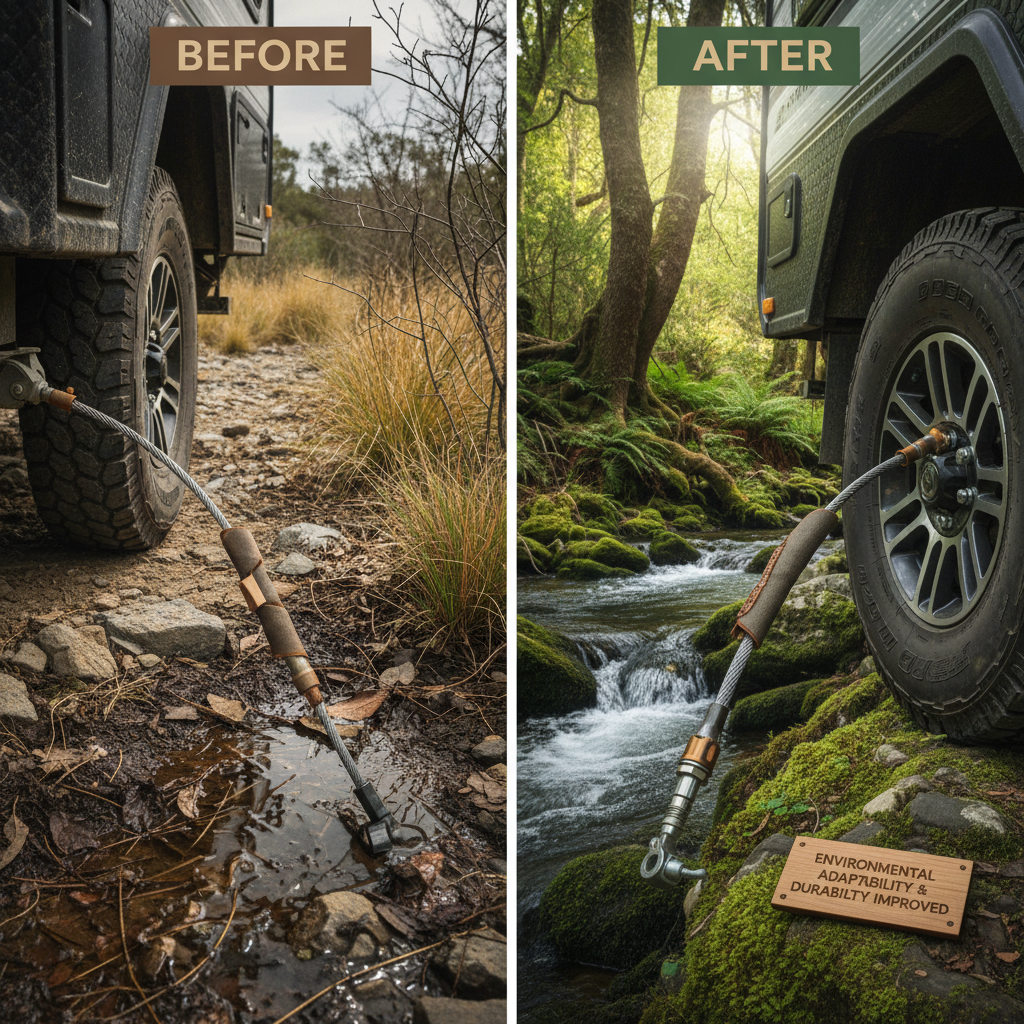
The automotive industry is currently undergoing a massive transformation toward integrated electronic systems, yet the fundamental mechanical safety components remain the bedrock of vehicle reliability. Among these, the precision of hydraulic transmission in braking and clutching systems is paramount for driver safety. Understanding the role of the clutch master cylinder hydraulic line is essential for any professional looking to optimize vehicle performance and ensure seamless power transition.
Globally, the demand for high-durability hydraulic components has surged as vehicles are pushed to operate in more extreme environments and under heavier loads. Whether in urban commuting or heavy-duty industrial transport, the integrity of the fluid transfer system determines the responsiveness of the vehicle's control mechanisms. A failure in these lines can lead to catastrophic loss of control, making the quality of materials and engineering the primary concern for manufacturers.
By exploring the technical specifications and maintenance requirements of the clutch master cylinder hydraulic line, we can better appreciate the intersection of fluid dynamics and automotive safety. This guide will delve into the critical nature of these components, their global applications, and the innovations driving the next generation of automotive hydraulic systems to ensure every journey is secure and efficient.
Global Industry Context of Hydraulic Lines
The automotive parts sector, particularly in the realm of hydraulic transmission, is governed by stringent international standards such as ISO 26262 for functional safety. In the current global market, the reliability of the clutch master cylinder hydraulic line is no longer just a matter of convenience but a critical safety requirement. As emerging economies increase their vehicle ownership, the pressure on manufacturers to provide durable, leak-proof, and heat-resistant hydraulic lines has intensified.
Industry data suggests that hydraulic failures in manual and semi-automatic transmissions often stem from material degradation caused by extreme temperature fluctuations. This challenge has led to a global shift toward advanced synthetic polymers and reinforced steel braiding. By addressing these material vulnerabilities, the industry aims to reduce vehicle downtime and prevent accidents caused by sudden pressure loss in the clutching system.
Defining the Clutch Master Cylinder Hydraulic Line
In simple technical terms, the clutch master cylinder hydraulic line is a high-pressure conduit that transmits fluid from the master cylinder to the slave cylinder. When the driver presses the clutch pedal, the master cylinder converts this mechanical force into hydraulic pressure, which is then carried through this line to actuate the clutch release bearing, effectively disengaging the engine from the transmission.
Beyond its mechanical function, this component represents the vital link in a vehicle's power management system. In modern industry, the precision of this line is critical for ensuring that the "bite point" of the clutch remains consistent. Any air infiltration or expansion of the line under pressure (volumetric expansion) can lead to a "spongy" pedal feel, which compromises the driver's ability to shift gears smoothly and safely.
From a humanitarian and safety perspective, the reliability of these lines is essential for heavy-duty vehicles used in emergency services and logistics. In regions with underdeveloped road infrastructure, the ruggedness of the hydraulic line determines whether a vehicle can continue to operate in harsh terrains or become stranded due to a preventable leak, highlighting the social impact of high-quality automotive engineering.
Core Components and Technical Factors
Durability is the primary benchmark for any clutch master cylinder hydraulic line. The line must withstand constant pressure cycles and resist corrosion from both the internal hydraulic fluid and external road salts or moisture. High-grade materials ensure that the line does not crack or perish over years of exposure to engine heat and road debris.
Pressure Stability is equally critical. A premium clutch master cylinder hydraulic line is engineered to minimize expansion under load. By utilizing reinforced layering, manufacturers can ensure that nearly 100% of the force applied at the pedal is transmitted to the clutch mechanism, resulting in a crisp, responsive gear change.
Compatibility and Integration are the final key factors. These lines must be perfectly compatible with various brake and clutch fluids (such as DOT 3, 4, or 5.1) to prevent chemical degradation of the inner liner. Furthermore, the fittings must provide an airtight seal to prevent the ingress of air, which would otherwise necessitate frequent bleeding of the hydraulic system.
Performance Metrics and Efficiency
Evaluating the efficiency of a clutch master cylinder hydraulic line requires a deep look at flow dynamics and burst pressure ratings. A high-performance line is characterized by its ability to maintain structural integrity at pressures far exceeding the maximum operating pressure of the master cylinder. This safety margin is what prevents catastrophic failure during emergency maneuvers or heavy towing.
Moreover, the weight-to-strength ratio has become a key metric in the pursuit of vehicle fuel efficiency. By transitioning from heavy steel pipes to reinforced thermoplastic composites, engineers can reduce the overall weight of the vehicle without sacrificing the rigidity required for hydraulic transmission.
Performance Comparison of Hydraulic Line Materials
Real-World Global Applications
The application of a high-quality clutch master cylinder hydraulic line extends far beyond passenger cars. In the logistics industry, heavy-duty trucks operating in the mountainous regions of the Andes or the Himalayas rely on these lines to manage the massive torque required for climbing and descending steep grades. In these contexts, a line failure is not just a mechanical issue but a significant safety risk for the driver and others on the road.
Similarly, in specialized industrial zones such as mining or forestry, vehicles operate in abrasive environments where dust and debris can quickly wear down inferior components. The use of armored hydraulic lines ensures that the clutching system remains operational despite the external onslaught, reducing the cost of maintenance and increasing the uptime of critical machinery.
Long-Term Value and Safety Advantages
Investing in a premium clutch master cylinder hydraulic line provides tangible long-term value through reduced replacement frequency and enhanced vehicle longevity. From a logical standpoint, the cost of a high-grade line is negligible compared to the potential cost of a transmission failure or a road accident caused by a ruptured hydraulic hose.
Beyond the economics, there is an emotional layer of trust. A driver who feels a consistent, firm clutch pedal possesses greater confidence in their vehicle's behavior, especially during complex maneuvers or emergency stops. This sense of security is the ultimate goal of automotive engineering—creating a system that the user can rely on without hesitation.
Furthermore, the sustainability aspect cannot be ignored. Durable hydraulic lines mean fewer replacements, which reduces the amount of waste materials entering landfills and lowers the carbon footprint associated with the production and shipping of spare parts. Reliability, therefore, aligns perfectly with modern green energy and sustainability goals.
Future Trends in Hydraulic Innovation
The future of the clutch master cylinder hydraulic line is being shaped by the digital transformation of the automotive sector. We are seeing the rise of "smart" hydraulic systems that incorporate sensors within the line to monitor pressure drops or fluid degradation in real-time. This shift toward predictive maintenance allows vehicles to alert the driver before a failure occurs, moving from reactive repairs to proactive safety.
Materials science is also evolving, with the introduction of nano-composite reinforcements that provide the strength of steel with the flexibility and weight of plastic. These innovations are designed to support the next generation of hybrid vehicles, which often require complex integration of traditional hydraulic systems with electronic actuators.
As the industry moves toward automation, the role of the manual clutch may diminish in passenger cars, but it will remain indispensable in heavy industrial and performance vehicles. The focus will shift toward ultra-high-efficiency lines that can handle the extreme pressures of high-performance actuators, ensuring that power delivery remains instantaneous and precise.
Technical Analysis of Hydraulic Line Specifications by Material
| Material Type |
Pressure Rating (PSI) |
Temperature Resistance |
Lifespan Score (1-10) |
| Standard Rubber |
1,500 - 2,000 |
Up to 80°C |
5 |
| Steel Braided |
5,000 - 8,000 |
Up to 150°C |
10 |
| Nylon Reinforced |
2,500 - 3,500 |
Up to 110°C |
7 |
| PTFE Lined |
4,000 - 6,000 |
Up to 200°C |
9 |
| Hybrid Composite |
3,000 - 4,500 |
Up to 130°C |
8 |
| OEM Grade Polymer |
2,000 - 3,000 |
Up to 100°C |
7 |
FAQS
The most common signs include a "spongy" or soft clutch pedal, a gradual drop in fluid levels in the reservoir, and visible leaks around the hose fittings. In severe cases, you may experience difficulty shifting gears or a complete loss of clutch engagement, which indicates a critical breach in the hydraulic line.
Yes, air is compressible whereas hydraulic fluid is not. If air enters the clutch master cylinder hydraulic line, it creates a "cushion" that prevents the full force of the pedal from reaching the slave cylinder. This leads to incomplete clutch disengagement and grinding noises during gear shifts.
Steel braided lines are generally superior because they offer higher burst pressure ratings and virtually zero volumetric expansion. While rubber lines are more flexible and cheaper, steel braided options provide a much firmer pedal feel and are significantly more resistant to external abrasions and heat.
It is recommended to inspect the hydraulic lines during every major service interval (typically every 10,000 to 15,000 miles). Technicians should look for signs of "ballooning," cracking, or wetness at the connection points to ensure the integrity of the system before a failure occurs.
Absolutely. Using a fluid that is not compatible with the line's inner material can cause the lining to swell or dissolve, leading to internal blockage or leaks. Always use the fluid specified by the manufacturer (e.g., DOT 4) to maintain the chemical stability of the hydraulic line.
Due to the high pressures involved in the clutching system, patching or taping a leaking hydraulic line is extremely dangerous and not recommended. For safety and reliability, any compromised clutch master cylinder hydraulic line should be replaced entirely with a new, certified component.
Conclusion
In summary, the clutch master cylinder hydraulic line is a small but indispensable component that ensures the safe and efficient transfer of power within a vehicle. From the selection of high-grade materials like steel braiding to the precision of pressure stability, every technical detail contributes to the overall reliability of the braking and clutching system. By prioritizing durability and adhering to strict maintenance schedules, vehicle owners and fleet managers can avoid costly failures and ensure a secure driving experience.
Looking ahead, the integration of smart sensors and nano-composite materials will further refine the performance of hydraulic systems, aligning them with the demands of modern automation and sustainability. We encourage automotive professionals and enthusiasts to invest in high-quality components that meet international safety standards. For more information on premium automotive cable and hydraulic solutions, visit our website: www.hweicable.com.